AI Gaming Content Skyrockets: Reshaping Steam’s Marketplace
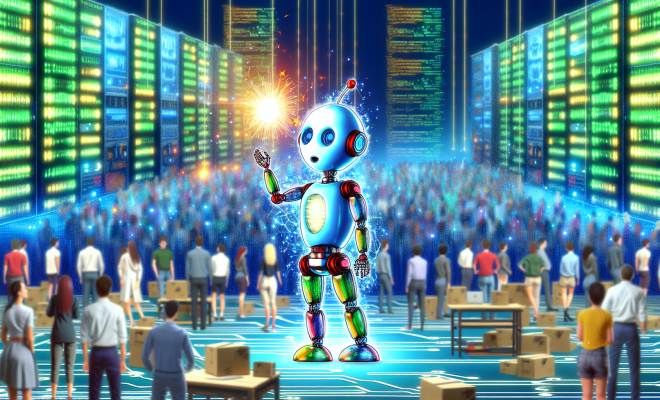
In recent years, the gaming landscape has experienced monumental shifts, but none appear as dramatic as the surge of AI gaming content flooding platforms like Steam. With the number of AI-generated games skyrocketing from a mere 50 titles a day two years ago to over 500 today, the implications for developers—and gamers—are profound. This influx has sparked heated debates about authenticity, artistic value, and the overall quality of gaming experiences.
The Explosion of AI Gaming Content
Steam, one of the largest digital distribution platforms for video games, is at the epicenter of this phenomenon. The uptick in AI-generated titles has led to a marketplace that some developers are calling a “quality crisis.” This surge has made visibility increasingly difficult for human creators trying to showcase their original content. The sheer volume of algorithmically produced games raises questions about the future of creativity in the industry.
Understanding the AI Surge
The rapid evolution of artificial intelligence has enabled developers to create games more efficiently than ever before. Cutting-edge algorithms can now generate narratives, visuals, and even gameplay mechanics, leading to an overwhelming number of new titles entering the market daily. This technological advancement may seem beneficial at first glance, but it comes with a plethora of challenges.
Many major indie developers have voiced their concerns. They argue that the quality of games is suffering as AI gaming content saturates the market. The unique artistic expressions that indie games are known for are often overshadowed by bland, AI-generated titles that lack depth and engagement.
Impact on Developers and Players
The ramifications of this shift extend beyond just the games themselves. Developer morale is reportedly plummeting, with many studios fearing that their hard work will go unnoticed amid the flood of AI-generated content. Some well-known studios have even threatened to leave the Steam platform altogether, seeking a more supportive environment for their original creations.
The Community Reaction
This crisis has ignited passionate discussions across various social media platforms, including Reddit, Twitter, and Discord. The hashtag #SaveIndieGaming has trended globally, as gamers express solidarity with indie developers and call for reforms to protect artistic integrity in the gaming ecosystem.
- Players are advocating for better visibility for human-made games.
- Concerns are rising about the broader implications of AI in creative fields.
- Many are questioning the authenticity of experiences offered by AI-generated games.
Valve’s Response and Moderation Measures
In light of these unfolding events, Valve, the parent company of Steam, has announced emergency moderation measures aimed at curbing the flood of low-quality AI-generated games. While these steps are seen as necessary, they also spotlight the growing complexity of content moderation in an era dominated by algorithms.
Challenges in Moderation
One of the pressing challenges Valve faces is distinguishing between genuinely creative content and hastily produced AI games. Developers and players alike are concerned that any moderation efforts must strike a balance that does not stifle innovation while effectively managing the quality of the games on the platform.
This dilemma illustrates a larger issue within the gaming industry—how to maintain artistic integrity amidst technological advances. The delicate interplay between creativity and automation poses questions that the industry will need to address moving forward.
AI Gaming Content vs. Authenticity
As AI continues to play a substantial role in game development, discussions around authenticity are becoming more prominent. Many gamers cherish the unique perspectives, narratives, and art styles that human creators bring to their projects. The rise of AI gaming content raises the question: Can a machine replicate the emotional depth and storytelling prowess that only a human can provide?
Artistic Value in Gaming
Artistic value in gaming is not solely about gameplay mechanics; it encompasses storytelling, character development, and immersive environments. While AI can generate content that mimics these aspects, the nuance and creativity infused by human developers are irreplaceable. As the debate rages on, many industry veterans advocate for a hybrid approach where AI acts as a tool, rather than a replacement.
The Future of AI Gaming Content
Looking ahead, the future of AI-generated games remains uncertain. As developers and players navigate this complex landscape, several factors will play a critical role in shaping the direction of the gaming industry:
- Regulatory Measures: It will be essential for platforms like Steam to implement effective regulations on AI gaming content to ensure quality.
- Community Engagement: Ongoing dialogue between developers and players will be crucial in finding a balance that respects both creativity and innovation.
- Technological Innovation: Future advancements in AI could lead to improved tools that enhance, rather than replace, the human creative process.
Potential Solutions for Developers
In the face of these challenges, developers may need to explore alternative avenues to promote their games. Strategies could include:
- Building Community: Engaging with gamers directly through social media, streaming platforms, and community events can help foster a loyal fan base.
- Leveraging Unique Narratives: Emphasizing unique storylines and character arcs can set human-created games apart from AI-generated titles.
- Collaborative Projects: Partnering with other developers for crossover events or projects can increase visibility and broaden audience reach.
Conclusion
As the gaming industry grapples with the implications of the surge in AI gaming content, the discussions surrounding authenticity, quality, and creativity will only intensify. The outcome of this crisis will likely define the future landscape of gaming and determine how developers and players interact with technology.
In the end, the community’s voice will be pivotal in shaping the narrative. As players continue to advocate for indie creators, the hope remains that the balance between technology and genuine human creativity can not only coexist but flourish in the ever-evolving world of gaming.