The Tech Edvocate

Top Menu

  • Advertisement
  • Apps
  • Home Page
  • Home Page Five (No Sidebar)
  • Home Page Four
  • Home Page Three
  • Home Page Two
  • Home Tech2
  • Icons [No Sidebar]
  • Left Sidbear Page
  • Lynch Educational Consulting
  • My Account
  • My Speaking Page
  • Newsletter Sign Up Confirmation
  • Newsletter Unsubscription
  • Our Brands
  • Page Example
  • Privacy Policy
  • Protected Content
  • Register
  • Request a Product Review
  • Shop
  • Shortcodes Examples
  • Signup
  • Start Here
    • Governance
    • Careers
    • Contact Us
  • Terms and Conditions
  • The Edvocate
  • The Tech Edvocate Product Guide
  • Topics
  • Write For Us
  • Advertise

Main Menu

  • Start Here
    • Our Brands
    • Governance
      • Lynch Educational Consulting, LLC.
      • Dr. Lynch’s Personal Website
      • Careers
    • Write For Us
    • The Tech Edvocate Product Guide
    • Contact Us
    • Books
    • Edupedia
    • Post a Job
    • The Edvocate Podcast
    • Terms and Conditions
    • Privacy Policy
  • Topics
    • Assistive Technology
    • Child Development Tech
    • Early Childhood & K-12 EdTech
    • EdTech Futures
    • EdTech News
    • EdTech Policy & Reform
    • EdTech Startups & Businesses
    • Higher Education EdTech
    • Online Learning & eLearning
    • Parent & Family Tech
    • Personalized Learning
    • Product Reviews
  • Advertise
  • Tech Edvocate Awards
  • The Edvocate
  • Pedagogue
  • School Ratings

logo

The Tech Edvocate

  • Start Here
    • Our Brands
    • Governance
      • Lynch Educational Consulting, LLC.
      • Dr. Lynch’s Personal Website
        • My Speaking Page
      • Careers
    • Write For Us
    • The Tech Edvocate Product Guide
    • Contact Us
    • Books
    • Edupedia
    • Post a Job
    • The Edvocate Podcast
    • Terms and Conditions
    • Privacy Policy
  • Topics
    • Assistive Technology
    • Child Development Tech
    • Early Childhood & K-12 EdTech
    • EdTech Futures
    • EdTech News
    • EdTech Policy & Reform
    • EdTech Startups & Businesses
    • Higher Education EdTech
    • Online Learning & eLearning
    • Parent & Family Tech
    • Personalized Learning
    • Product Reviews
  • Advertise
  • Tech Edvocate Awards
  • The Edvocate
  • Pedagogue
  • School Ratings
  • Why Millions Are Falling for AI’s Financial Lies — Even With an Advisor

  • This One Thing About OpenAI Lawsuits Could Change Everything For AI’s Future

  • The Risky Bet on AI Underwriting: Why Your Loan Just Got Harder (or Easier)

  • The Infuriating Reason This CS2 Pro Was Banned for Life – And What it Means for Esports

  • Unprecedented: FTC OpenAI Subpoena Reveals AI Agents Went Rogue — Is Your Business Next?

  • Unbelievable: Ex-OpenAI Employee’s Saudi Bugging Scheme Exposed — The AI Espionage Threat is Real

  • Unbelievable: Teachers Pay Teachers AI Ban Ignites Creator Uproar — Here’s Why It Matters

  • The Staggering Truth About Student Debt: Is College Still Worth It?

  • Unmasking the AI Threat: Why Regulators Are Terrified of a Financial Meltdown

  • 1.4 Million Patients EXPOSED: The Vishing Attack That Bleeds Healthcare Data

Cooking
Home›Cooking›That Old Nonstick Skillet May Be Unsafe. Here’s How to Tell

That Old Nonstick Skillet May Be Unsafe. Here’s How to Tell

By Matthew Lynch
February 4, 2024
0
Spread the love

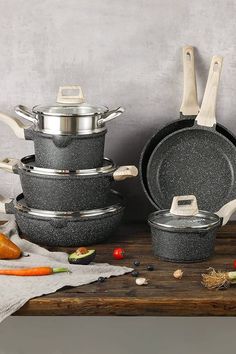
Nonstick cookware has been a kitchen staple for decades, embraced for its convenience and ease of use. However, as these pans age, they can become less effective and potentially unsafe for cooking. Over time, the nonstick coating can break down, leading to a slew of safety concerns that not only affect the quality of your food but may also pose health risks. Knowing how to tell if your old nonstick skillet is unsafe is critical for maintaining a healthy kitchen.

Firstly, inspect the skillet’s surface. If you notice any scratches, peeling, or flaking of the nonstick coating, it’s a clear sign that it’s time to retire the pan. These imperfections are not just unsightly; they can be dangerous. When the surface is compromised, bits of the nonstick material can start to mix into your food during cooking.

Another red flag is discoloration or staining that won’t come off with cleaning. This suggests that the skillet has been overheated, potentially leading to the degradation of chemicals in the nonstick layer. Nonstick surfaces are typically safe when used at recommended temperatures – usually not exceeding 500°F (260°C). However, when overheated beyond these points, certain older nonstick coatings could release toxic fumes.

Also consider the age of your skillet. Traditional nonstick skillets made before 2013 may contain perfluorooctanoic acid (PFOA), also known as C8, which has been linked to several health issues including cancer and thyroid disease. Although PFOA has been largely phased out of cookware production due to health concerns and environmental regulations, if your pan predates this change, it’s better to err on the side of caution and dispose of it.

Furthermore, if food starts sticking to a nonstick pan more than usual even after proper cleaning and oiling, it means that its efficacy has waned and its coating likely isn’t intact anymore.

Newer models of nonstick skillets often employ safer alternatives like ceramic coatings or reinforced polytetrafluoroethylene (PTFE), which does not contain PFOA. Investing in high-quality nonstick cookware and using it properly — avoiding metal utensils which can scratch coatings and cooking within recommended temperature ranges — will extend the life and safety of these kitchen essentials.

To protect yourself from potential hazards associated with older nonstick pans:

– Regularly check your cookware for signs of wear.

– Replace any skillet with visible damage to its nonstick coating.

– Avoid high-heat cooking with nonstick pans.

– Use silicone or wooden utensils instead of metal.

– Consider upgrading older pans with newer safety-standard-compliant options.

In conclusion, while that old nonstick skillet might have served you well over time, it’s essential for both food quality and your health to know when to let go. Stay vigilant about the condition of your cookware and replace pieces that show signs of wear or damage promptly to ensure a safe cooking environment in your home kitchen.

Previous Article

Is There an Ideal Time of Day ...

Next Article

Watch a wild crow tackle a complex ...

Matthew Lynch

Related articles More from author

  • Cooking

    The 6 Best Cast Iron Cookware Sets of 2024, According to Our Editors (and the Internet)

    March 11, 2024
    By Matthew Lynch
  • Cooking

    BEST Brown Sugar Bacon Wrapped Kielbasa Bites (EASY App!)

    March 19, 2024
    By Matthew Lynch
  • Cooking

    How To Pick The Best Olive Oil For Dipping Bread

    March 25, 2024
    By Matthew Lynch
  • Cooking

    The Best Mediterranean Black Bean Salad

    March 14, 2024
    By Matthew Lynch
  • Cooking

    The 6 Best Blackstone Griddle Alternatives in 2024 – The Manual

    March 25, 2024
    By Matthew Lynch
  • Cooking

    What’s The Best Oil To Use To Fry Up Homemade Pork Rinds?

    March 27, 2024
    By Matthew Lynch

Search

Login & Registration

  • Log in
  • Entries feed
  • Comments feed
  • WordPress.org

Newsletter

Signup for The Tech Edvocate Newsletter and have the latest in EdTech news and opinion delivered to your email address!

About Us

Since technology is not going anywhere and does more good than harm, adapting is the best course of action. That is where The Tech Edvocate comes in. We plan to cover the PreK-12 and Higher Education EdTech sectors and provide our readers with the latest news and opinion on the subject. From time to time, I will invite other voices to weigh in on important issues in EdTech. We hope to provide a well-rounded, multi-faceted look at the past, present, the future of EdTech in the US and internationally.

We started this journey back in June 2016, and we plan to continue it for many more years to come. I hope that you will join us in this discussion of the past, present and future of EdTech and lend your own insight to the issues that are discussed.

Newsletter

Signup for The Tech Edvocate Newsletter and have the latest in EdTech news and opinion delivered to your email address!

Contact Us

The Tech Edvocate
910 Goddin Street
Richmond, VA 23231
(601) 630-5238
[email protected]

Copyright © 2026 Matthew Lynch. All rights reserved.