Tensions Rise Near Strait of Hormuz as US Seizes Iranian Ship and Releases Crew Members
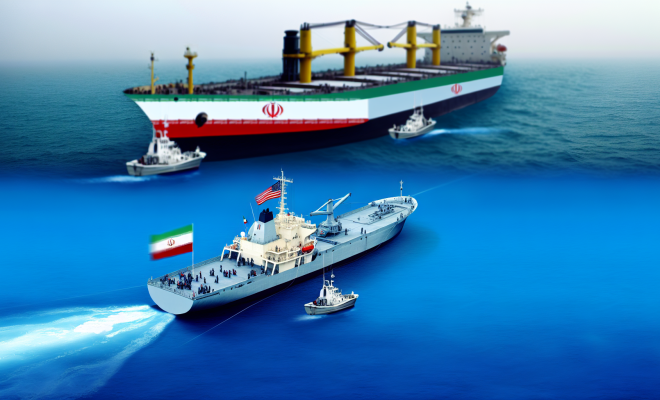
The ongoing maritime standoff between the United States and Iran has reached a new peak following the dramatic seizure of the Touska container ship near the strategically vital Strait of Hormuz. This incident highlights the fragility of relations in the region and underscores the importance of this waterway, which serves as a crucial artery for global oil transportation.
Background of the Incident
The Strait of Hormuz, located between Iran and Oman, is one of the world’s most critical chokepoints for maritime trade. Approximately 20% of the world’s oil passes through this narrow passage, making it a focal point of international shipping and economic interests. Tensions in the region have been escalating for years, particularly since the United States withdrew from the Joint Comprehensive Plan of Action (JCPOA) in 2018 and reinstated sanctions on Iran.
The Touska, a container ship reportedly linked to Iran, was seized by U.S. forces in a significant show of military presence and commitment to maintaining freedom of navigation in the region. The operation was characterized by its suddenness and complexity, involving naval assets and potentially aerial surveillance.
Details of the Seizure
The seizure of the Touska was executed with precision, as U.S. naval forces intercepted the vessel in international waters. According to sources, the operation involved both naval vessels and aircraft to monitor the situation closely and ensure safety during the boarding process. While the exact circumstances surrounding the ship’s activities prior to the seizure have not been disclosed, it is suspected that the Touska was involved in activities that contravened U.S. sanctions.
Following the operation, six crew members were released, while 22 others remain in U.S. custody. The release of the six crew members has been viewed as a potential gesture of goodwill amidst rising tensions. However, the fate of the remaining crew raises questions about potential diplomatic negotiations and the broader implications for U.S.-Iran relations.
Responses from Iran and the U.S.
The U.S. government has justified the seizure as a necessary action to protect maritime trade and uphold international law. In a statement, officials emphasized the importance of ensuring security in a region that has historically been fraught with conflict and maritime disputes.
In contrast, Iranian officials have condemned the seizure and called for the immediate release of their nationals. Iran’s Foreign Ministry characterized the U.S. actions as “piracy” and a violation of international norms. The Iranian government has threatened retaliatory measures, further exacerbating an already tense situation.
The Broader Context of U.S.-Iran Relations
This incident is just one of many in a long history of fraught interactions between the U.S. and Iran. Since the Islamic Revolution in 1979, relations have been characterized by hostility, sanctions, and military confrontations. The U.S. has consistently accused Iran of destabilizing activities in the region, including supporting proxy groups in Iraq, Syria, and Yemen.
The JCPOA, which aimed to curb Iran’s nuclear program in exchange for economic relief, was seen as a pathway to improved relations. However, the U.S. withdrawal and subsequent sanctions have led to increased tensions, including military encounters in the Persian Gulf and threats exchanged at the highest levels of government.
International Implications
The seizure of the Touska and the subsequent release of crew members have drawn international attention, raising concerns over the potential for escalation in the region. Other nations, particularly those that rely on the Strait of Hormuz for oil shipments, are watching closely as the situation develops.
Analysts suggest that this incident could lead to increased military presence from both the U.S. and Iranian forces in the region, as well as heightened risks for commercial shipping. The potential for miscalculations or unintentional conflicts is significant, given the strategic importance of the waterway.
Maritime Security and Freedom of Navigation
Freedom of navigation in the Strait of Hormuz has become a focal point of U.S. foreign policy, with the U.S. Navy conducting regular patrols and escort operations to ensure safe passage for commercial vessels. This commitment to maritime security is crucial not only for U.S. interests but also for global economic stability.
As tensions rise, the importance of international cooperation in ensuring maritime security cannot be overstated. Countries dependent on the Strait for oil imports, including Japan, South Korea, and several European nations, have a vested interest in maintaining open shipping lanes and may push for diplomatic solutions to de-escalate tensions.
The Future of U.S.-Iran Relations
The future of U.S.-Iran relations remains uncertain, particularly in light of recent events. Diplomatic overtures have been sporadic and often hindered by mutual distrust. The possibility of negotiations over the nuclear issue and regional security will likely hinge on the outcomes of incidents like the seizure of the Touska.
As both nations navigate this fraught landscape, the international community will be keenly observing the developments and advocating for dialogue to prevent further escalation. The risk of military confrontation looms large, and the need for a comprehensive strategy to address the underlying issues remains paramount.
Conclusion
The seizure of the Touska container ship and the subsequent release of six Iranian crew members mark a significant episode in the ongoing tensions between the U.S. and Iran. As both nations grapple with the implications of this incident, the situation serves as a reminder of the delicate balance of power in the Persian Gulf region.
In an era where maritime security is increasingly threatened by geopolitical rivalries, the need for collaborative approaches to ensure safe navigation and reduce the risk of conflict is more vital than ever. The Strait of Hormuz remains a key battleground for international interests, and the events surrounding the Touska will likely resonate far beyond the immediate incident, shaping future interactions and policies in the region.