Trump’s 2026 Ultimatum: Strait of Hormuz Crisis Escalates
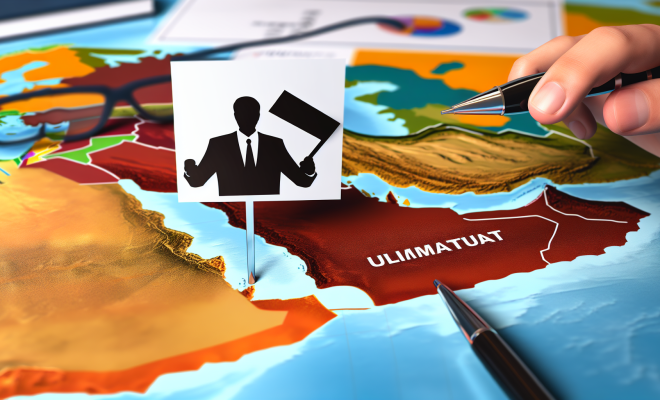
In a dramatic escalation of geopolitical tensions, President Donald Trump issued a stern ultimatum on March 21, 2026, threatening to obliterate Iran’s power plants unless the critically important Strait of Hormuz is fully opened within 48 hours. This bold declaration comes amid soaring oil prices and mounting pressure to ensure the safety of this vital shipping lane, which is crucial for global energy supply.
Background of the Conflict
The Strait of Hormuz, a narrow waterway linking the Persian Gulf with the Arabian Sea, is one of the world’s most strategic maritime chokepoints. Approximately 20% of the world’s oil supply passes through this area, making it a focal point for international energy trade. The ongoing conflict in the region has intensified in recent months, particularly following a series of incidents involving military engagements and retaliatory strikes.
In recent weeks, the situation escalated dramatically. Following Trump’s ultimatum, Iran’s leadership vowed to retaliate against U.S. and Israeli energy infrastructure. Such threats only heighten the risk of a wider military confrontation in an already volatile region.
Casualties and Consequences
The humanitarian toll of the ongoing conflict has been devastating. Reports indicate that the death toll has exceeded 1,500 in Iran, with 1,000 casualties in Lebanon, and additional fatalities including 15 Israelis and 13 U.S. military members. The escalating violence has drawn international condemnation and calls for de-escalation.
Recent Incidents
- Saudi Arabia has reported multiple interceptions of missiles and drones targeting its oil installations, indicating a potential threat to its energy infrastructure.
- A projectile strike occurred near a vessel off the coast of the United Arab Emirates (UAE), further amplifying concerns about maritime security in the region.
These incidents underscore the fragility of the situation, as both regional powers and global stakeholders grapple with the implications of a disrupted energy supply chain.
Global Reactions
The international community is closely monitoring developments in the region. Many nations depend on the uninterrupted flow of oil through the Strait of Hormuz, and any disruption could have severe economic repercussions worldwide. In response to heightened tensions, several countries are reassessing their diplomatic strategies and military readiness.
Oil prices have already begun to reflect these uncertainties. As fears of an escalation in conflict grow, market analysts predict potential spikes in oil prices, which could reverberate through the global economy. Countries reliant on oil imports are particularly vulnerable to such fluctuations.
Energy Security and Diplomatic Efforts
In light of these developments, energy security has become a paramount concern for many nations. Diplomatic efforts are underway to encourage dialogue between the United States, Iran, and other regional players. However, the rhetoric from both sides remains charged, complicating potential negotiations.
Experts suggest that a balanced approach is necessary to mitigate the risks of further escalation. This includes engaging in diplomatic talks while also ensuring the protection of critical infrastructure in the region.
The Road Ahead
As the deadline set by Trump approaches, the world watches with bated breath to see how Iran will respond. The potential for military action looms large, casting a shadow over the already precarious energy landscape. The stakes are high, not just for Iran and the U.S., but for global energy markets and the broader geopolitical landscape.
In conclusion, the situation in the Strait of Hormuz is emblematic of the broader challenges facing international relations in the 21st century. With energy security at the forefront of global concerns, the need for diplomatic solutions has never been more urgent. As the clock ticks down on Trump’s ultimatum, the coming days will be crucial in determining the future of the region and its impact on the global economy.