Ceasefire in Jeopardy: Israel Strikes, Iran Closes Strait of Hormuz (2026)
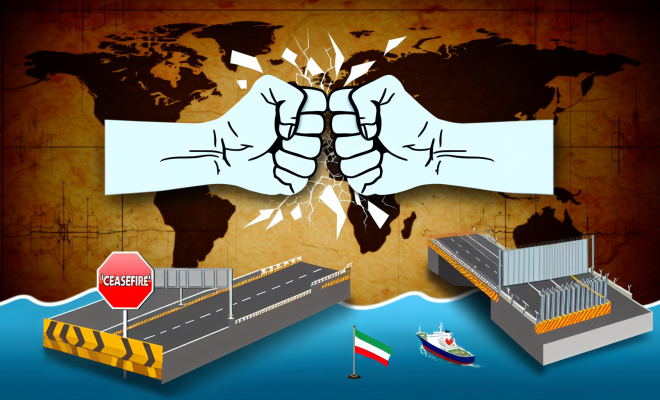
Ceasefire Under Threat as Israel Targets Hezbollah
The fragile ceasefire involving Iran, Israel, and the United States is facing critical challenges as Israeli military actions in Lebanon continue to spark international concern. Recent reports indicate that Iranian authorities have responded aggressively, closing the vital Strait of Hormuz, a key route for global oil transportation, as a reaction to Israeli attacks against Hezbollah.
Iran’s Strategic Maneuvering
On Wednesday, Iran’s Revolutionary Guard reportedly deployed sea mines in the Strait of Hormuz, a strategic waterway through which approximately one-fifth of the world’s oil passes. This provocative move serves as a pressure tactic amid escalating tensions, as Iranian officials express their frustration over the ongoing conflict with Israel.
The closure of the Strait of Hormuz on April 9, 2026, marks a significant escalation in the already precarious situation. Following the Israeli strikes in Lebanon, which have resulted in numerous casualties, including hundreds injured and killed, Iran appears to be taking steps to assert its influence and deter further Israeli aggression.
International Condemnation
United Nations Secretary-General António Guterres has vehemently condemned the Israeli attacks, describing them as a violation of international norms. According to spokesperson Stéphane Dujarric, Guterres’s statements emphasize the need for all parties to adhere to the ceasefire and engage in constructive dialogue to resolve their differences peacefully.
Impact on Global Oil Markets
The tension in the region has not only affected military and diplomatic relations but has also had significant repercussions on global oil markets. On the same day that the Strait of Hormuz was closed, ship-tracking data revealed that only four vessels successfully navigated through the waterway, a stark contrast to the usual traffic levels.
In reaction to the geopolitical instability, oil prices surged dramatically. Brent crude oil prices increased by 2.9%, reaching $97.46 per barrel, while U.S. crude saw an even steeper rise of 3.7%, climbing to $97.94 per barrel. This surge comes amidst a backdrop of declining Asian stock markets, with the Nikkei 225 index dropping by 0.8% as investors respond to the escalating crisis.
The Broader Consequences of Conflict
The ongoing conflict in Lebanon, which has historical roots and complex geopolitical implications, poses risks not only for regional stability but also for global energy security. The Strait of Hormuz is a critical chokepoint, and any sustained closure could lead to significant disruptions in oil supply, ultimately impacting economies worldwide.
As the situation unfolds, analysts are closely monitoring how different nations will respond to these provocations. The potential for a broader conflict looms, especially if diplomatic efforts do not yield a resolution. The international community, particularly countries with vested interests in Middle Eastern stability, is urged to engage in proactive measures to prevent further escalation.
Calls for De-escalation and Dialogue
In light of the deteriorating situation, there are increasing calls from various international actors for immediate de-escalation and a return to dialogue. The United States, which has a vested interest in maintaining stability in the region, may play a crucial role in mediating discussions between Iran and Israel.
Experts suggest that a multifaceted approach is essential for addressing the roots of the conflict. This may involve not only diplomatic negotiations but also addressing underlying economic and social issues that contribute to the volatility in Lebanon and the broader region.
Conclusion
The current ceasefire is hanging by a thread, as military actions and retaliatory measures threaten to plunge the region into further chaos. The deployment of sea mines by Iran is a stark reminder of the high stakes involved in this conflict. As global markets react to the uncertainty, the international community must act decisively to encourage dialogue and prevent a crisis that could have severe implications for both regional and global stability.