Teen-Run Hotlines: Vital Support for Youth Mental Health in 2024
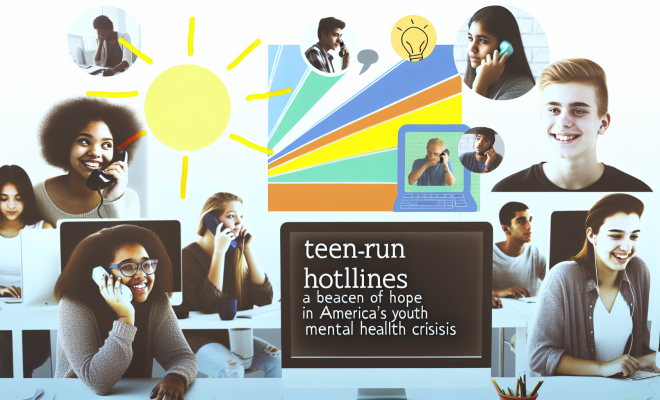
As America grapples with a profound youth mental health crisis, the statistics paint a troubling picture: nearly 40 percent of high school students report experiencing persistent feelings of sadness or hopelessness. This alarming trend is compounded by the fact that suicide stands as the second leading cause of death among adolescents. In response to this escalating emergency, innovative solutions are rising to the occasion, with teen-run hotlines emerging as vital resources for young individuals seeking support.
The Growing Mental Health Crisis Among Youth
The mental health landscape for American teenagers has become increasingly dire, with factors such as academic pressure, social media influence, and a general sense of uncertainty contributing to heightened levels of anxiety and depression. The COVID-19 pandemic further exacerbated this crisis, leading to increased isolation and disruption of traditional support systems.
Understanding the Statistics
According to recent studies, the prevalence of mental health issues among adolescents has surged. The Centers for Disease Control and Prevention (CDC) reported that a significant number of high school students expressed feelings of hopelessness, while the National Institute of Mental Health (NIMH) indicates that suicide rates among youth have seen a troubling increase over the past decade. Given these statistics, it is clear that immediate action is required to address the mental health needs of young people.
Teen-Run Hotlines: A Unique Approach
In the face of this crisis, teen-run hotlines are stepping up to provide essential support. These hotlines are staffed by trained adolescents who can relate to the experiences of their peers. The peer-to-peer model not only fosters a sense of understanding and empathy but also encourages open dialogue about mental health.
How Teen-Run Hotlines Operate
- Accessibility: Teen-run hotlines are often accessible via phone, text, or online chat, making them a convenient option for young people seeking help.
- Anonymity: The anonymity provided by these services allows teens to express their feelings without fear of judgment or stigma.
- Empathy-Driven Support: Trained peer counselors offer a listening ear, providing comfort and guidance based on shared experiences.
These features make teen-run hotlines not just a resource but a safe haven for adolescents in distress.
Success Stories and Impact
Many teens have benefitted from the support provided by these hotlines. For instance, a recent case involved a teenager who reached out during a particularly challenging time. After engaging with a hotline counselor, the teen reported feeling less isolated and was encouraged to seek further help from a mental health professional. Such stories highlight the positive impact of peer support in navigating mental health challenges.
Community Involvement and Training
The success of teen-run hotlines is also attributed to community involvement. Organizations are working diligently to train young volunteers in active listening, empathy, and crisis intervention techniques. This training equips them to handle a variety of situations, from providing emotional support to recognizing when a caller may need immediate professional assistance.
Moreover, these organizations are actively engaging with schools and community centers to promote awareness about available resources. By fostering connections within the community, they are helping to reduce the stigma surrounding mental health issues and encouraging more teens to seek help.
The Future of Mental Health Support for Teens
As the mental health crisis continues to unfold, the role of teen-run hotlines is expected to grow. They provide a crucial support network at a time when traditional resources may be overwhelmed or inaccessible. Additionally, as more young people engage with these services, the normalization of mental health discussions is likely to shift societal perceptions and reduce stigma.
Potential for Expansion
Given their success, there is potential for expanding these services to reach even more adolescents. Schools can play a pivotal role by integrating mental health education into their curricula and promoting hotline resources. Furthermore, partnerships with local health services can enhance the reach and effectiveness of these initiatives.
Conclusion: A Collective Responsibility
The youth mental health crisis in America demands urgent attention and action. Teen-run hotlines, with their peer-driven approach, are proving to be an essential lifeline for many young people. By providing a safe space for conversation and support, these hotlines are helping to combat feelings of isolation and hopelessness.
It is imperative that communities, schools, and families come together to support these initiatives and promote mental health awareness. As we strive to provide better resources for our youth, we must recognize that mental health is not just an individual concern but a collective responsibility. By empowering teens to help their peers, we can forge a path towards a healthier future for all.