Teaching Phonemic Awareness to English Language Learners
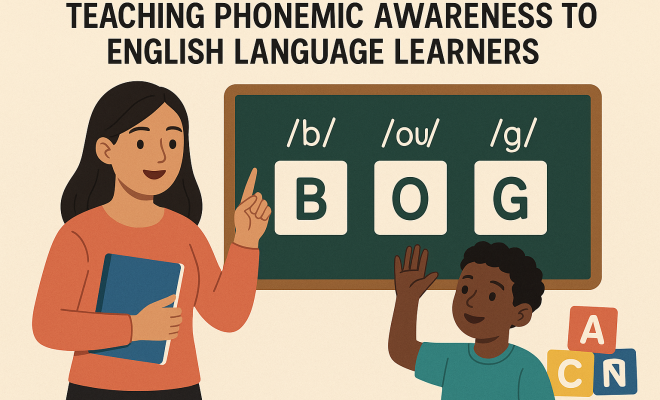
“`html
Phonemic awareness is a crucial skill in the realm of literacy development. For English Language Learners (ELLs), mastering this skill can be particularly challenging but incredibly rewarding. Understanding sounds, recognizing patterns, and developing listening skills can significantly influence the ability to read and write effectively in a new language. As educators and researchers continue to explore methods for enhancing phonemic awareness, phonemic awareness technology has emerged as a vital tool in classrooms around the world. This article delves into the intricacies of teaching phonemic awareness to English Language Learners, with a focus on the role of technology in this process.
Understanding Phonemic Awareness
Before we dive into teaching strategies, it’s important to clarify what phonemic awareness is. At its core, phonemic awareness refers to the ability to recognize and manipulate the individual sounds (phonemes) in spoken words. This skill is foundational for reading and writing, as it allows learners to decode and encode words effectively.
Phonemic awareness is more than just hearing sounds; it involves a range of skills, including:
- Identifying phonemes in words
- Blending sounds to form words
- Segmenting words into separate sounds
- Manipulating sounds to create new words
Research shows that children who develop strong phonemic awareness skills early on have a higher likelihood of becoming proficient readers. This is particularly critical for ELLs, who may face additional hurdles due to language acquisition challenges.
The Importance of Phonemic Awareness for ELLs
Why is phonemic awareness especially vital for English Language Learners? The answer lies in the complexities of learning a new language. ELLs often come from linguistic backgrounds that may not share the same phonemic structures as English, making it difficult for them to discern and manipulate sounds. For instance, a student whose first language doesn’t distinguish between certain sounds may struggle to hear the difference between words like “bat” and “pat.”
Furthermore, acquiring phonemic awareness can help bridge the gap between a learner’s native language and English. It fosters not only language skills but also enhances confidence in reading, writing, and speaking. Research indicates that targeted phonemic awareness instruction can lead to significant improvements in the literacy skills of ELLs, making it a priority in educational settings.
Challenges Faced by English Language Learners
Teaching phonemic awareness to ELLs comes with its own set of challenges. Language barriers, varying levels of prior education, and differences in cultural backgrounds can all affect how students perceive and develop phonemic skills. Additionally, ELLs may experience anxiety or frustration, particularly in an English-speaking classroom where they feel out of their comfort zone.
Some common challenges include:
- Lack of familiarity with English sounds: ELLs may not be accustomed to specific phonemes that are common in English.
- Transfer issues: Learners might carry over phonetic rules from their native languages, leading to mispronunciations and misunderstandings.
- Limited vocabulary: A restricted English vocabulary can hinder their ability to engage with phonemic awareness activities fully.
- Different learning paces: ELLs may progress at different rates, necessitating flexible teaching strategies.
Recognizing these challenges can aid educators in tailoring their approaches to better support ELLs in developing phonemic awareness.
Effective Strategies for Teaching Phonemic Awareness
Educators can employ various strategies to enhance phonemic awareness among ELLs. Here are some practical insights that can make a difference:
1. Use of Visual Aids
Integrating visual aids in phonemic awareness activities can help ELLs grasp sound concepts more easily. For example, using pictures or physical objects that correspond with specific phonemes can strengthen the connection between sounds and their meanings. Visuals help create a more engaging learning environment and can significantly enhance retention.
2. Interactive Games
Games are an effective way to encourage engagement while teaching phonemic awareness. Activities like rhyming games, sound matching, and phoneme segmentation games motivate students and foster a positive learning atmosphere. Additionally, incorporating technology, such as phonemic awareness apps, can further enhance these interactive experiences. (See: Teaching reading and phonemic awareness.)
3. Targeted Instruction
Educators should focus on targeted instruction that addresses specific phonemic awareness skills. Small-group instruction allows for personalized attention and the opportunity to practice skills that may be particularly challenging for ELLs. Tailoring lessons to meet students at their current skill levels can lead to more effective learning outcomes.
4. Incorporation of Native Language
Incorporating aspects of students’ native languages can also facilitate phonemic awareness. Educators might focus on sounds that exist in both languages, allowing learners to leverage their existing knowledge while acquiring new skills. This cross-linguistic approach can foster a sense of validation and build confidence.
The Role of Phonemic Awareness Technology in Instruction
As technology continues to evolve, phonemic awareness technology has become an invaluable resource for teaching literacy skills to ELLs. These technological tools can provide engaging, interactive, and effective ways to teach phonemic awareness.
Many phonemic awareness apps and platforms offer customizable lessons that can adapt to the unique needs of ELLs. Features such as interactive games, real-time feedback, and progress tracking provide learners with a personalized experience, enhancing their engagement and motivation.
Some notable phonemic awareness technology includes:
- Apps: Applications like ABCmouse and Starfall provide phonemic awareness activities through engaging visuals and sounds.
- Interactive Whiteboards: Utilizing whiteboards for group activities can foster collaboration while allowing educators to demonstrate phonemic concepts dynamically.
- Online Resources: Websites such as Reading Rockets offer extensive resources, including lesson plans and activities specifically designed for ELLs.
Integrating phonemic awareness technology into instruction not only enhances learning but also prepares students for a future where digital literacy is essential.
Assessment of Phonemic Awareness
Evaluating phonemic awareness skills in ELLs plays a critical role in shaping instruction. Effective assessment provides insights into students’ strengths and areas that need improvement. Educators can employ various assessment methods, including:
1. Observational Assessments
Observing students during phonemic awareness activities allows teachers to gauge their understanding and engagement levels. Informal assessments through observation can provide valuable feedback on how well students are grasping sound concepts.
2. Standardized Tests
While standardized tests should not be the sole method of assessment, they can provide comparative data on student performance. Tools like the Dynamic Indicators of Basic Early Literacy Skills (DIBELS) can offer insights into phonemic awareness skills.
3. Progress Monitoring
Regular progress monitoring helps track improvements over time. Educators can use brief assessments to measure specific phonemic skills, allowing for adjustments in instruction as needed. This ongoing feedback loop can help students stay on track and achieve their literacy goals.
Creating a Supportive Learning Environment
Building a supportive learning environment is essential for English Language Learners to thrive in developing phonemic awareness skills. Here are some strategies educators can implement:
1. Foster a Growth Mindset
Encourage students to adopt a growth mindset by celebrating their efforts and progress. Acknowledge that learning a new language is a journey filled with challenges and successes. This approach can help reduce anxiety and promote resilience.
2. Build Strong Relationships
Establishing strong relationships with students fosters trust and comfort in the classroom. Take the time to understand each learner’s background and interests. Personalized interactions can lead to improved motivation and engagement in phonemic awareness activities.
3. Encourage Collaboration
Collaboration among students can enhance learning experiences. Pairing ELLs with native English speakers can create opportunities for peer learning, where students can practice phonemic skills in a supportive setting. Group activities can also encourage communication and camaraderie. (See: U.S. Department of Education resources.)
Current Trends and Future Directions
The landscape of phonemic awareness instruction for ELLs continues to evolve, particularly with the integration of phonemic awareness technology. As more educational tools become available, educators have access to innovative resources that can facilitate effective instruction.
Current trends emphasize personalized learning experiences, with technology adapting to the unique needs of each student. Furthermore, there is an increasing focus on culturally responsive pedagogy, ensuring that instruction is relevant and inclusive. By leveraging technology while maintaining a strong emphasis on phonemic awareness, educators can empower ELLs to succeed in literacy.
Exploring Phonemic Awareness Technology
Phonemic awareness technology encompasses a variety of digital tools designed to enhance literacy instruction. These include not just apps, but also software programs, online games, and interactive platforms that can be customized for individual learning needs.
Here are some key aspects of phonemic awareness technology:
- Accessibility: Many phonemic awareness technologies are available on various devices, including tablets, computers, and smartphones, making them accessible for a wider range of learners.
- Gamification: Incorporating game-like elements can enhance motivation. Tools that reward progress with badges or levels can encourage continued engagement with phonemic tasks.
- Multimedia Integration: The use of audio, video, and animations can make learning more dynamic. For example, some programs use character-driven narratives that encourage learners to follow along with phonics exercises.
- Adaptive Learning: Some technologies utilize algorithms to adapt content and difficulty based on a user’s performance, ensuring that learners are continually challenged yet supported.
Statistics Highlighting the Need for Phonemic Awareness Technology
The need for phonemic awareness technology is underscored by various statistics that illustrate the challenges faced by ELLs and the potential impact of effective instruction:
- According to the National Center for Education Statistics (NCES), approximately 10% of public school students in the U.S. are ELLs, highlighting the significant presence of this demographic in classrooms.
- Research indicates that ELLs who receive explicit phonemic awareness instruction improve their reading skills by 40% more than those who do not, emphasizing the need for effective teaching strategies and tools.
- A study from the Institute of Education Sciences found that using educational technology can enhance learning outcomes by as much as 30%, particularly for students struggling with foundational skills.
- Over 70% of teachers report using some form of educational technology in their classrooms, indicating a shift towards integrating these resources for enhanced phonemic instruction.
Expert Perspectives on Phonemic Awareness Technology
Experts in literacy education emphasize the importance of incorporating phonemic awareness technology into ELL instruction. Dr. Maria Frascarelli, an educational psychologist, states, “Technology can serve as an equalizer, providing ELLs with the additional support they need to thrive academically. The interactive nature of these tools allows students to practice at their own pace and receive immediate feedback.”
Similarly, Dr. Tomás Alonzo, a linguist specializing in bilingual education, notes, “The integration of technology into phonemic awareness training creates a bridge for ELLs, allowing them to connect with English phonemes through familiar digital experiences. This can be particularly beneficial for students who may feel overwhelmed in traditional settings.”
Best Practices for Implementing Phonemic Awareness Technology
To effectively use phonemic awareness technology in the classroom, educators should consider several best practices:
- Integration with Curriculum: Technology should complement existing phonemic awareness instruction, not replace it. Educators should carefully select tools that align with their curriculum objectives.
- Training and Support: Providing training for teachers on how to use phonemic awareness technology effectively can maximize its impact. Ongoing support and resources are essential for teachers to feel confident in implementing new technologies.
- Monitoring and Evaluation: Regularly monitoring students’ progress and evaluating the effectiveness of the technology used can help educators make necessary adjustments. This ensures that students are benefiting from the technological tools provided.
- Parental Involvement: Engaging parents in the learning process can be beneficial. Providing resources or workshops to help parents support their children’s phonemic awareness at home can enhance learning outcomes.
FAQ: Frequently Asked Questions About Phonemic Awareness Technology
1. What is phonemic awareness technology?
Phonemic awareness technology refers to digital tools and resources designed to help learners improve their understanding and manipulation of phonemes. This includes apps, online games, and interactive platforms that engage students in phonemic activities.
2. How can phonemic awareness technology benefit ELLs?
Phonemic awareness technology can provide ELLs with personalized learning experiences, immediate feedback, and engaging activities that enhance their phonemic skills. It allows for practice at their own pace and can bridge gaps in understanding sounds in English.
3. Are there specific apps that are recommended for teaching phonemic awareness?
Yes, several apps are effective for teaching phonemic awareness, including ABCmouse, Starfall, and Phonics Genius. These apps offer interactive activities that focus on phonemic skills in an engaging manner.
4. How can teachers assess phonemic awareness skills in ELLs?
Teachers can use observational assessments, standardized tests, and regular progress monitoring to evaluate phonemic awareness. Observations during activities can provide insights into student understanding and engagement. (See: Research on phonemic awareness and literacy.)
5. How can technology be integrated into traditional phonemic awareness instruction?
Technology can be integrated by using it as a supplement to traditional instruction. For example, teachers can use apps for practice after a lesson or as a fun, interactive way to reinforce skills learned in class.
Current Trends and Innovations in Phonemic Awareness Technology
Phonemic awareness technology is constantly evolving, introducing new methods and innovations to enhance literacy education. Some innovative trends include:
1. Artificial Intelligence (AI)
AI is revolutionizing phonemic awareness technology by personalizing learning experiences. AI-driven platforms can analyze a learner’s performance and adapt lessons in real-time, ensuring that the content is neither too easy nor too difficult. This personalized attention can significantly improve student outcomes.
2. Virtual Reality (VR)
While still emerging in education, VR offers immersive learning experiences that can make phonemic awareness activities more engaging. Students can interact with virtual environments and practice sounds in context, providing a multi-sensory approach to learning.
3. Interactive Storytelling
Story-based applications that incorporate phonemic skills can boost engagement among ELLs. These tools allow learners to interact with narratives, making choices that influence the story while simultaneously practicing their phonemic awareness skills.
4. Social Learning Platforms
Online platforms that foster collaboration among students can enhance phonemic awareness. Using forums or messaging features where students can discuss phonemic concepts and share insights allows for peer learning and support.
Emphasizing Culturally Relevant Pedagogy
The implementation of phonemic awareness technology should also align with culturally relevant pedagogy. Understanding students’ cultural backgrounds can enhance instruction and engagement. Here’s how:
- Incorporate Cultural Contexts: Select phonemic activities that reflect students’ cultural contexts, making learning more relatable and meaningful.
- Utilize Multilingual Resources: Provide access to resources in students’ native languages alongside English materials to support their learning process.
- Encourage Storytelling: Leverage students’ cultural stories as a basis for phonemic awareness activities, which can help students connect personally to the learning material.
Conclusion: The Path Forward for ELLs
Teaching phonemic awareness to English Language Learners is not just a task; it’s a vital investment in their future. With the right strategies, resources, and support, educators can foster phonemic skills that will serve as a strong foundation for reading and writing in English. The emergence of phonemic awareness technology has opened up new avenues for enhancing instruction and engaging learners.
As we move forward, it’s imperative that educators continue to adapt their approaches, embrace technology, and create an inclusive environment. By doing so, we can help unlock the potential of ELLs and ensure they thrive in their language learning journeys.
“`
Trending Now
Frequently Asked Questions
What is phonemic awareness?
Phonemic awareness is the ability to recognize and manipulate individual sounds, or phonemes, in spoken words. It is a foundational skill for reading and writing, enabling learners to decode and encode words effectively.
Why is phonemic awareness important for English Language Learners?
Phonemic awareness is crucial for English Language Learners (ELLs) because they often come from linguistic backgrounds with different phonemic structures. This can make it challenging for them to discern and manipulate sounds in English, impacting their literacy development.
How can technology help teach phonemic awareness?
Phonemic awareness technology offers interactive tools and resources that engage students in recognizing and manipulating sounds. These tools can enhance learning experiences and provide personalized practice for English Language Learners.
What are some strategies for teaching phonemic awareness to ELLs?
Effective strategies include using visual aids, engaging in sound manipulation activities, and incorporating games that focus on sound recognition. Tailoring these activities to the specific phonemic challenges faced by ELLs can significantly enhance their learning.
What skills are involved in phonemic awareness?
Key skills in phonemic awareness include identifying phonemes in words, blending sounds to form words, segmenting words into individual sounds, and manipulating sounds to create new words. These skills are essential for developing strong reading abilities.
What's your take on this? Share your thoughts in the comments below — we read every one.