10 Effective Strategies for Teaching Conflict Resolution in Elementary School
“`html
Understanding the Importance of Conflict Resolution in Elementary School
Conflict resolution is a critical skill that students need to develop early in life. In elementary school, children are beginning to forge friendships, navigate social dynamics, and express their thoughts and feelings. With varying personalities and backgrounds, conflicts are inevitable. Learning how to address disagreements constructively can set the foundation for strong interpersonal skills throughout their lives.
Research shows that children who learn conflict resolution skills at an early age tend to exhibit better emotional regulation, improved relationships, and higher academic performance. By incorporating conflict resolution into the school curriculum, educators can foster a more positive and collaborative classroom environment.
1. Create a Safe and Supportive Environment
The first step towards effective conflict resolution in elementary school is to foster a safe and supportive learning environment. Children need to feel secure in expressing their feelings and thoughts without fear of ridicule. Establishing ground rules for respectful communication can help.
Teachers can encourage students to share their thoughts by using “I” statements and promoting active listening. This not only empowers students to express themselves but also teaches them to respect differing opinions. You might consider setting up a classroom charter that emphasizes respect, empathy, and understanding as core values.
2. Teach Active Listening Skills
Active listening is a fundamental component of conflict resolution. When children learn to listen attentively, they become more empathetic and understanding of their peers’ perspectives. This is especially important in a diverse classroom where students come from various backgrounds.
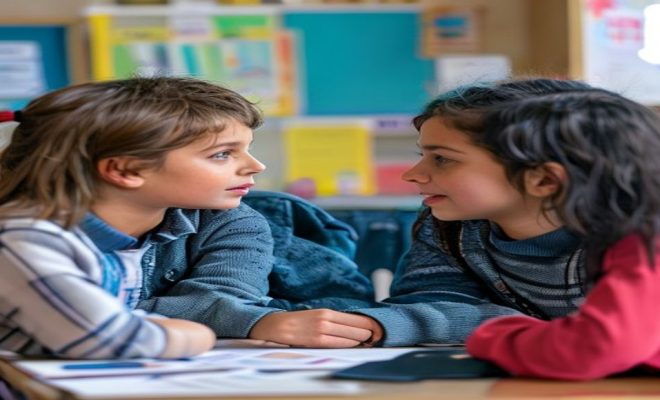
Teachers can demonstrate active listening techniques, such as nodding, repeating back what the speaker has said, and asking open-ended questions. Role-playing activities can also be useful as they provide a safe platform for students to practice these skills. By incorporating active listening into daily interactions, students can become more adept at resolving conflicts amicably.
3. Role-Playing Scenarios
Role-playing is an effective strategy for teaching conflict resolution in elementary school. By simulating potential conflicts, students can practice responding to them in a controlled environment. This hands-on approach allows children to explore different outcomes and develop problem-solving skills.
Teachers can set up scenarios that reflect real-life situations, such as sharing toys, dealing with hurt feelings, or navigating group work dynamics. After the role-play, the class can discuss what worked, what didn’t, and alternative strategies that could be employed in the future. This reflective practice deepens understanding and reinforces learning.
4. Introduce Conflict Resolution Models
Introducing structured conflict resolution models can provide students with a clear framework to follow when they encounter disputes. One popular model is the “STOP” strategy: Stop, Think, Options, and Proceed. This model encourages children to pause before reacting to a conflict, consider their options, and then make a thoughtful decision on how to proceed.
Educators can teach this model through lessons, visual aids, and handouts. By repeatedly applying this method, students will internalize the steps and gradually become more proficient in managing conflicts independently.
5. Promote Empathy and Perspective-Taking
Empathy is at the heart of effective conflict resolution. Teaching students to consider others’ feelings and perspectives can significantly reduce misunderstandings and hostilities. Activities that promote empathy can range from storytelling to collaborative projects. (See: Youth Violence Prevention Essentials.)
One powerful exercise is to have students write journal entries from the perspective of someone else involved in a conflict. This not only helps them understand different viewpoints but also fosters compassion. Discussing real-life examples and engaging in community service projects can further solidify these lessons in empathy.
6. Encourage Self-Regulation and Emotional Intelligence
Self-regulation is essential for conflict resolution. Teaching children to manage their emotions during disagreements can help them respond rather than react. Understanding emotional triggers and developing coping strategies such as deep breathing or counting to ten can empower students.
Incorporating mindfulness practices into the classroom can enhance emotional intelligence. Simple activities, like guided breathing exercises or meditation moments, can help students recognize and manage their feelings. As they become more attuned to their emotional states, they’ll be better equipped to navigate conflicts calmly.
7. Integrate Literature and Storytelling
Literature can be an effective tool for teaching conflict resolution in elementary school. Stories often present characters facing conflicts, making them an excellent medium for discussing resolutions. Children can analyze the characters’ choices and the consequences of those choices.
Teachers can create book clubs or reading sessions where students read stories that highlight various conflicts. Afterward, discussions can revolve around the characters’ actions and alternative solutions that could have been employed. This method not only engages students but also reinforces the skills they need to handle conflicts in real life.
8. Utilize Peer Mediation Programs
Peer mediation programs allow students to take an active role in resolving conflicts among their peers. Training select students to mediate conflicts empowers them to facilitate discussions and guide their classmates through the resolution process. This model not only alleviates some of the burdens on teachers but also promotes leadership skills among students.
Implementing a peer mediation program requires training sessions where selected students learn conflict resolution strategies, active listening, and neutrality. Once trained, these students can assist their classmates in resolving disputes, creating a culture of collaboration and respect within the school community.
9. Involve Parents and the Community
Teaching conflict resolution skills shouldn’t be limited to the classroom. Involving parents and the community can have a significant impact on reinforcing these skills at home. Educators can host workshops or informational sessions for parents about the importance of conflict resolution and how they can support their children.
Community partnerships can also be beneficial. Collaborating with local organizations that focus on conflict resolution can provide additional resources and support, enhancing the school’s efforts to teach these vital skills. By creating a united front, schools, parents, and the community can work together to foster a culture of peace and understanding.
10. Assess and Reflect on Conflict Resolution Skills
Continuous assessment and reflection are crucial for honing conflict resolution skills. Educators should regularly evaluate how well students are applying the techniques they’ve learned. This can be done through observations, self-assessments, or peer evaluations.
Creating a feedback loop allows students to reflect on their experiences with conflict resolution. Discussions about successes and areas for improvement can help students internalize their learning and recognize the importance of these skills. By fostering a growth mindset, educators can encourage students to continually develop their conflict resolution abilities.
Current Relevance and Conclusion
As we navigate an increasingly complex world, teaching conflict resolution in elementary school has never been more essential. With the rise in bullying, social media interactions, and diversity in classrooms, equipping children with the tools to handle conflicts thoughtfully is vital for their personal and academic growth.
The strategies outlined above provide a comprehensive framework for educators looking to integrate conflict resolution into their curricula. By fostering a safe environment, promoting empathy, and involving the broader community, we can cultivate a generation of compassionate and skilled individuals capable of navigating life’s challenges. (See: Research on Conflict Resolution in Children.)
Benefits of Conflict Resolution Skills Beyond the Classroom
While the emphasis on conflict resolution in elementary school is crucial, the benefits extend beyond the classroom. Students equipped with these skills are more likely to succeed in various areas of life. For example, conflict resolution skills can lead to improved outcomes in their future workplaces. Employers often look for candidates who can demonstrate effective communication and problem-solving abilities. Additionally, these skills can enhance personal relationships, allowing individuals to navigate disagreements and misunderstandings more effectively.
Furthermore, studies have shown that children who engage in structured conflict resolution programs are less likely to engage in aggressive behavior. A study conducted by the University of California, Los Angeles (UCLA) found that schools implementing conflict resolution education reported a 50% decrease in bullying incidents over two years. This statistic highlights the direct correlation between conflict resolution education and a safer school environment.
Real-World Examples of Successful Conflict Resolution Programs
Many schools across the globe have successfully integrated conflict resolution programs into their curricula. For instance, the “Second Step” program, used in numerous elementary schools, teaches social-emotional skills, including conflict resolution. This program emphasizes empathy, problem-solving, and emotion management, and studies have shown that schools using Second Step have reported significant decreases in aggressive behavior and discipline referrals.
Another example is the “Peace Builders” program, which is designed to create a positive school climate through conflict resolution and peer mediation. Schools implementing this program have reported not only a decrease in conflicts but also an increase in overall student engagement and community spirit.
Statistics on Conflict Resolution in Elementary Education
Statistics indicate that teaching conflict resolution in elementary school can lead to significant improvements in student behavior and academic performance. A survey by the National Center for Education Statistics (NCES) found that schools with robust conflict resolution programs reported a 30% increase in student attendance and a 25% decrease in disciplinary actions.
Additionally, a meta-analysis of various conflict resolution programs indicated that students who participated in these programs exhibited greater emotional and social competence compared to those who did not. This highlights the long-term benefits of instilling conflict resolution skills early in life.
Frequently Asked Questions About Conflict Resolution in Elementary Schools
What age should conflict resolution skills be introduced to children?
Conflict resolution skills can be introduced as early as preschool. Children as young as four or five can begin to learn basic concepts such as sharing and taking turns. As they grow, these skills can be further developed with more complex conflict resolution strategies.
How can teachers assess students’ conflict resolution skills?
Teachers can assess students’ conflict resolution skills through direct observation during group activities, role-playing scenarios, or conflict resolution exercises. Additionally, self-assessment forms can encourage students to reflect on their experiences and identify areas for improvement.
Can conflict resolution skills be taught at home?
Absolutely! Parents play a crucial role in reinforcing conflict resolution skills. They can model positive conflict resolution behaviors at home, engage their children in discussions about disputes, and encourage children to express their feelings and thoughts in constructive ways.
Are there any games that promote conflict resolution skills?
Yes, several games and activities promote conflict resolution skills. Games that require teamwork and communication, such as group puzzles or cooperative board games, can help reinforce these skills. Additionally, storytelling games where children must resolve a conflict can also be beneficial.
What resources are available for schools looking to implement conflict resolution programs?
Many organizations offer resources and training for schools interested in conflict resolution programs. Resources like the Committee for Children and the National Conflict Resolution Center provide curricula, training, and materials that educators can use to implement effective programs in their schools.
How do cultural differences impact conflict resolution in schools?
Cultural differences can significantly impact conflict resolution approaches. Students from various backgrounds may have distinct views on conflict and resolution styles. Educators should be aware of these differences and incorporate inclusive practices that honor diverse perspectives. Providing training on cultural competence for teachers can also facilitate better understanding and communication among students.
What role does technology play in modern conflict resolution in schools?
Technology can serve as a tool for conflict resolution in schools. Online platforms and apps designed for communication can help students articulate their feelings in a less confrontational manner. Additionally, virtual role-playing simulations can allow students to practice conflict resolution in a safe environment. However, it’s essential to ensure that technology use promotes positive interactions rather than exacerbating conflicts.
How can conflict resolution skills benefit my child in the long term?
Conflict resolution skills equip children with tools to manage disagreements constructively throughout their lives. As they grow older, these skills can enhance their academic performance, build stronger personal relationships, and increase their capacity for effective collaboration in the workplace. This foundational knowledge helps nurture responsible and empathetic adults.
Final Thoughts on Conflict Resolution and Student Development
Conflict resolution is not just a skill; it’s a critical aspect of personal growth and development. By equipping elementary school students with these tools, we foster a generation of empathetic, thoughtful, and capable individuals. These skills will not only serve them well academically but will also lay the groundwork for meaningful relationships and a more peaceful society as they grow older.
The Future of Conflict Resolution in Education
As we look towards the future, the role of conflict resolution in elementary schools is likely to expand. With the increasing integration of social-emotional learning in education, schools are recognizing the importance of these skills as foundational to student success. Future programs may incorporate more technology, giving students greater access to conflict resolution resources and training.
Additionally, a stronger emphasis on inclusivity and cultural competence will be essential. Schools will need to adapt their teaching methods to cater to diverse student populations, ensuring all children feel valued and heard during conflicts. This evolution in approach can foster a more harmonious environment where students are empowered to resolve conflicts constructively and develop lifelong skills.
Conclusion: Building a Culture of Peace in Schools
Integrating conflict resolution into elementary education is more than just a trend; it’s essential for creating a peaceful school environment. By nurturing these skills early on, we not only improve individual student outcomes but also contribute to a culture of respect and understanding that benefits entire communities. As educators, parents, and community members work together to support conflict resolution efforts, we can raise a generation committed to peaceful conflict resolution and social harmony.
“`
Trending Now
Frequently Asked Questions
What are conflict resolution skills in elementary school?
Conflict resolution skills in elementary school refer to the abilities that help children manage disagreements constructively. These skills include active listening, expressing feelings respectfully, and understanding different perspectives, which are crucial for fostering positive relationships and emotional regulation among students.
Why is conflict resolution important for children?
Conflict resolution is important for children as it equips them with essential interpersonal skills. It helps them navigate social dynamics, improve emotional regulation, and build better relationships, ultimately contributing to their academic success and overall well-being.
How can teachers create a supportive environment for conflict resolution?
Teachers can create a supportive environment by establishing ground rules for respectful communication, encouraging the use of 'I' statements, and promoting active listening. This ensures that students feel safe to express their thoughts and emotions without fear of ridicule.
What is active listening and why is it important?
Active listening is a communication technique that involves fully concentrating on what is being said, understanding the message, and responding thoughtfully. It is important in conflict resolution as it fosters empathy and understanding, helping children appreciate diverse perspectives in a classroom setting.
What strategies can be used to teach conflict resolution in schools?
Effective strategies for teaching conflict resolution in schools include creating a safe environment, teaching active listening skills, using role-playing activities, and incorporating conflict resolution into the curriculum to promote collaboration and understanding among students.
Agree or disagree? Drop a comment and tell us what you think.