Ireland’s Home Energy Upgrades Soar 96% in Early 2026
Introduction
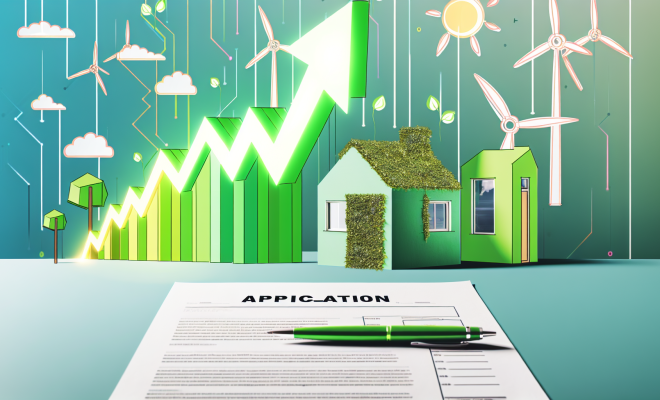
In a notable shift towards sustainability, applications for home energy upgrades in Ireland have surged by an impressive 96% in the early months of 2026. This remarkable increase was announced by Minister O’Brien from the Sustainable Energy Authority of Ireland (SEAI) on April 22, 2026. The surge is not merely a statistic; it reflects a growing national commitment to enhancing energy efficiency and combating climate change at the grassroots level.
The Driving Forces Behind the Surge
The significant uptick in applications for home energy upgrades can be attributed to several key factors:
- Government Incentives: The Irish government has allocated a record €640 million in Budget 2026, aimed at supporting approximately 73,000 home energy upgrades this year alone. Such financial backing makes it easier for homeowners to invest in energy-efficient solutions.
- National Residential Retrofit Plan: This initiative is part of the new National Residential Retrofit Plan, which aims to enhance the energy efficiency of homes across Ireland. It emphasizes retrofitting as a crucial step in achieving national climate goals.
- Public Awareness: Increased public awareness about climate change and the benefits of energy efficiency has spurred many homeowners to consider upgrades.
Understanding the National Residential Retrofit Plan
The National Residential Retrofit Plan is a strategic initiative designed to provide a framework for improving the energy efficiency of residential buildings. It focuses on:
- Reducing energy consumption in homes.
- Lowering greenhouse gas emissions.
- Improving the comfort and quality of living for residents.
The plan encompasses a range of measures that include insulation upgrades, heating system improvements, and the integration of renewable energy sources. By retrofitting existing homes, the government aims to create a more sustainable living environment for all citizens.
The Impact of Home Energy Upgrades
Home energy upgrades have far-reaching implications for both the environment and the economy. Some of the key benefits include:
- Energy Savings: Improved insulation and energy-efficient heating systems can significantly reduce energy bills for homeowners.
- Environmental Benefits: By reducing energy consumption, these upgrades help lower carbon footprints and contribute to the fight against climate change.
- Job Creation: The surge in upgrade applications is likely to stimulate the economy by creating jobs in the construction and energy sectors.
Case Studies: Successful Home Energy Upgrades
Several homeowners have already benefited from the initiatives under the National Residential Retrofit Plan. Here are a few case studies that highlight the positive outcomes:
Case Study 1: The Murphy Family
The Murphy family from Dublin upgraded their home with insulation and a new energy-efficient heating system. As a result, they reported:
- A 40% reduction in energy bills.
- Improved indoor comfort during winter months.
Case Study 2: The O’Sullivan Residence
In Cork, the O’Sullivan family installed solar panels and upgraded their insulation. Their results included:
- Generating approximately 60% of their energy needs from renewable sources.
- Increased property value due to energy-efficient features.
Challenges Ahead
Despite the promising figures, challenges remain in the implementation of home energy upgrades:
- Awareness and Engagement: While there is a surge in applications, not all homeowners are aware of the benefits or the processes involved in energy upgrades.
- Funding Accessibility: Although the government has allocated significant funds, ensuring that all eligible households can access these funds remains crucial.
- Skilled Workforce: There is a pressing need for a skilled workforce capable of carrying out energy upgrades effectively.
The Role of Renewable Energy in Home Upgrades
Integrating renewable energy sources into home upgrades is a vital aspect of the National Residential Retrofit Plan. Homeowners are increasingly turning to technologies such as:
- Solar Photovoltaic (PV) Systems: These systems convert sunlight into electricity, helping to reduce reliance on traditional energy sources.
- Heat Pumps: Air-source and ground-source heat pumps provide efficient heating and cooling solutions, significantly lowering energy consumption.
By incorporating renewable energy technologies, homeowners can further enhance the sustainability of their living spaces while also enjoying long-term cost savings.
Government Support and Future Plans
The Irish government’s commitment to sustainability extends beyond the current budget. Plans for future support include:
- Increased funding in subsequent budgets to extend the reach of the National Residential Retrofit Plan.
- Enhanced training programs to ensure a skilled workforce is available for energy upgrades.
- Continued public awareness campaigns to educate homeowners on the benefits of energy efficiency.
These initiatives demonstrate a long-term vision for a sustainable future in Ireland, setting a benchmark for other nations.
Conclusion
The 96% increase in applications for home energy upgrades in 2026 is a clear indicator of Ireland’s commitment to energy efficiency and sustainability. With the backing of substantial government funding and a comprehensive national plan, homeowners are empowered to make significant changes that benefit both their households and the environment. As the nation moves forward, the focus will remain on overcoming challenges while capitalizing on the momentum created by this surge in applications, paving the way for a greener, more energy-efficient future.