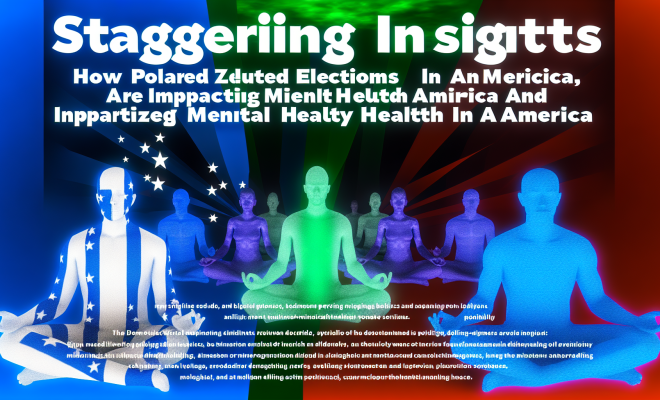
Staggering Insights: How Polarized Elections Are Impacting Mental Health in America
The landscape of American politics has undergone a seismic shift in recent years, becoming increasingly polarized and fraught with tension. This dynamic not only shapes the political discourse but also profoundly influences the mental health of the populace. New research from the Milbank Quarterly has shed light on the psychological implications of these polarized elections, revealing that the 2024 presidential election left Americans grappling with an increased burden of mental health issues. On average, voters experienced nearly 0.5 additional days of poor mental health during this election cycle compared to previous years. For those who felt the sting of loss or faced adverse health policy changes, the toll was even more pronounced, with reports of up to a full day of worsened mental health.
The Psychological Toll of Political Polarization
As the study illustrates, the ramifications of polarized elections extend far beyond the ballot box. Political outcomes have a cascading effect on mental wellbeing, particularly among those who identify as partisan losers. The 2024 election has been a tipping point, with heightened levels of anxiety, distress, and psychological turmoil reported during this election cycle.
- Increased mental health issues were more prevalent among individuals identifying with the losing political party.
- Vulnerable populations, including those affected by health policy changes, reported the most significant declines in mental health.
- The general population exhibited a notable increase in online interest surrounding politics-related mental health topics.
The findings underscore the pressing need for mental health professionals to prepare for an uptick in care-seeking behavior in the wake of high-stakes elections. As political polarization continues to intensify, so too does its psychological impact on American citizens.
Polls, Politics, and Mental Health
The 2024 election cycle saw a marked increase in engagement around mental health issues, particularly in conjunction with political events. This online interest can be attributed to various factors:
- The dramatic rise in social media discourse around mental health as it relates to political outcomes.
- A growing awareness of the intersection between political events and mental health challenges.
- The pervasive anxiety surrounding the uncertainty of election results, leading to heightened emotional distress among voters.
This surge in interest is indicative of a cultural shift where mental wellbeing is increasingly being recognized as a critical component of political engagement. Americans are beginning to understand that their mental health is inextricably linked to the political landscape, and this recognition is driving conversations both online and offline.
Understanding the Data: Statistically Significant Findings
The Milbank Quarterly study provides compelling statistical evidence regarding the mental health impact of polarized elections. Key findings include:
- On average, Americans experienced an additional 0.5 days of poor mental health during the 2024 election.
- Election losers reported up to a full day of worsened mental health, highlighting the emotional fallout from electoral defeat.
- Vulnerable populations, particularly those affected by health policy changes, experienced the most severe declines in mental wellbeing.
These statistics paint a sobering picture of the emotional landscape post-election. The psychological distress stemming from political outcomes is not merely anecdotal; it is a measurable phenomenon that warrants urgent attention from mental health professionals and policymakers alike.
The Role of Mental Health Professionals
With the unveiling of these statistics, mental health professionals are being urged to brace themselves for an increase in individuals seeking help following polarized elections. The anticipation of heightened anxiety and distress necessitates a proactive approach:
- Clinicians should prepare for an influx of patients displaying symptoms associated with electoral loss and political anxiety.
- Therapeutic interventions may need to be tailored to address the specific concerns related to political outcomes, including feelings of powerlessness and hopelessness.
- Community outreach programs could be essential in providing support and resources for those struggling with mental health issues exacerbated by political polarization.
As the political climate continues to evolve, so too must the strategies employed by mental health professionals. By understanding the unique challenges posed by polarized elections, they can better serve their communities in times of distress.
Polarization and Health Policy: A Dangerous Intersection
Beyond the immediate psychological impacts, the ramifications of polarized elections extend into the realm of health policy. The Milbank Quarterly study highlights that those facing adverse health policy changes were disproportionately affected in terms of mental health:
- Individuals who identified as part of vulnerable populations, including marginalized communities, were at a heightened risk for mental health decline.
- The emotional fallout from unfavorable election outcomes can lead to an increased sense of disenfranchisement and alienation among these groups.
- Policy changes resulting from elections can have long-lasting implications for the mental health of affected individuals, contributing to a cycle of distress and instability.
This intersection of polarized elections and health policy presents a critical area for further research and intervention. Understanding how political outcomes influence health policies could provide insights into mitigating mental health challenges for vulnerable populations.
Community Response and Engagement
The emotional resonance of the findings has sparked widespread engagement across social media platforms, with discussions around the mental health impacts of polarized elections taking center stage. This engagement serves several vital purposes:
- It raises awareness about the critical link between mental health and political events.
- It provides a platform for individuals to share their experiences and connect with others facing similar challenges.
- It fosters community solidarity and support, creating an environment where individuals feel less isolated in their struggles.
As more people come forward to discuss their mental health in relation to polarized elections, it empowers others to seek help and access resources. This collective discourse can lead to a more informed populace that acknowledges the psychological toll of political engagement.
Looking Ahead: Preparing for Future Elections
The findings from the Milbank Quarterly study underscore the urgent need for preparedness as future elections loom on the horizon. Here are some recommendations for individuals, mental health professionals, and policymakers:
- Individuals: Practice self-care and develop coping strategies to manage anxiety related to political events.
- Mental health professionals: Engage in ongoing education about the psychological effects of political polarization and prepare to address these issues in clinical settings.
- Policymakers: Consider the mental health implications of electoral outcomes when crafting and implementing health policies.
By taking a proactive approach, we can better equip ourselves to navigate the tumultuous waters of polarized politics and its impact on mental health. As we move forward, it is crucial to foster a culture that prioritizes mental wellbeing in the face of divisive politics.
Conclusion: Bridging Politics and Mental Health
The intersection of polarized elections and mental health is a complex and multifaceted issue that requires immediate attention. As demonstrated by the Milbank Quarterly study, the psychological toll of political outcomes is significant, particularly for those who feel marginalized or disenfranchised. With the growing awareness of this connection, it is essential that mental health professionals, individuals, and policymakers work together to address these challenges.
By fostering open dialogue, increasing awareness, and preparing for future electoral cycles, we can create a more resilient society that prioritizes mental health in the political arena. The stakes are high, and the emotional wellbeing of millions hangs in the balance. It is time to bridge the gap between politics and mental health, ensuring that no one has to navigate these turbulent waters alone.