Industrial Waste: The Urgent Threat of Soil Contamination
“`html
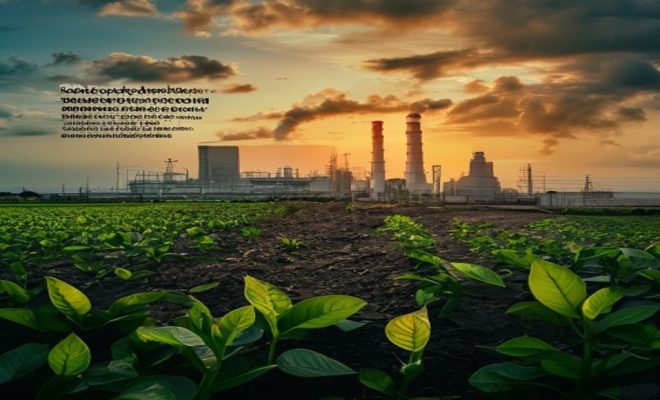
Across the globe, one of the most pressing environmental issues we face today is soil contamination from industrial waste. This alarming phenomenon poses a significant threat not only to agricultural production but also to human health. While many might assume that fertile farmlands are free from hazardous pollutants, recent studies reveal a more insidious reality: even the most seemingly pristine agricultural land can harbor invisible toxins, jeopardizing food safety and security. In this article, we’ll explore the depths of this issue, how it affects us, and what can be done to tackle it.
The Hidden Crisis of Soil Contamination
Soil contamination from industrial waste is a critical problem that has been gaining more attention in recent years. As industries expand and urban development increases, so does the risk of harmful pollutants infiltrating our soil. Heavy metals, pesticides, and other toxic substances have been found in alarming concentrations in agricultural areas around the world. These contaminants can originate from various sources, including manufacturing processes, urban runoff, and the improper disposal of hazardous materials.
According to a recent study highlighted by ScienceDirect, the consequences of soil contamination are particularly severe in agricultural production. For farmers, the very soil that sustains their crops might contain heavy metals that stunt growth and reduce yields. This degradation of soil health not only threatens the livelihoods of farmers but also raises serious questions about the safety of our food supply.
Understanding the Sources of Contamination
The sources of soil contamination are as varied as they are concerning. Industrial waste, composed of byproducts from manufacturing, can introduce a cocktail of toxic substances into the environment. Heavy metals such as lead, cadmium, arsenic, and mercury are often present in these wastes and can persist in the soil for decades.
Pesticides, while intended to protect crops from pests and diseases, can also leach into the soil, contributing to contamination. Urban runoff, which consists of rainwater washing over city surfaces, often carries oils, heavy metals, and other pollutants directly into agricultural land. This cocktail of contaminants leads to a toxic environment that challenges agricultural practices and food safety.
The Impact on Agricultural Production
Soil contamination from industrial waste directly impacts agricultural productivity. Contaminants can alter soil chemistry, affecting nutrient availability and water retention. As a result, crops may exhibit stunted growth, reduced yields, or even complete failure. Farmers facing these challenges may struggle to maintain their livelihoods, leading to economic distress in rural communities.
Moreover, the fear of contaminated produce can deter consumers from purchasing certain agricultural products, further complicating matters for farmers. The emotional charge surrounding food safety has led to increased scrutiny and demand for transparency in agricultural practices. Consumers are more educated and concerned about what they’re putting on their tables, creating an urgent need for farmers to adopt safer practices.
The Human Health Risks
The health implications of soil contamination are equally alarming. When crops absorb heavy metals and toxic substances from contaminated soil, these harmful elements can enter the food chain. Consuming food grown in contaminated soil can lead to severe health issues, including neurological disorders, developmental problems in children, and various cancers.
Beyond the direct ingestion of contaminated produce, the broader implications of contamination include environmental pollution and the degradation of ecosystems. Polluted soil can affect water quality as contaminants leach into groundwater, posing risks to drinking water supplies. This interconnection underscores the urgency of addressing soil contamination from industrial waste, as it poses a multifaceted threat to human health.
A Global Perspective on Soil Contamination
This issue is not confined to a single region; it’s a global crisis affecting agricultural production and human health worldwide. For instance, countries with burgeoning industrial sectors, such as India and China, are grappling with severe soil contamination issues that threaten both local agriculture and public health.
Research indicates that areas previously thought to be fertile are now compromised. In some regions, the level of heavy metals found in the soil has reached alarming proportions. In many developing countries, the lack of regulations regarding industrial waste management exacerbates the situation, leaving communities vulnerable to the repercussions of unchecked pollution. (See: Soil contamination in agriculture.)
Consumer Awareness and Action
As awareness of soil contamination from industrial waste grows, consumers are becoming more proactive in seeking solutions. Many are turning to organic produce, which is often grown without the use of synthetic pesticides or fertilizers, in an effort to reduce their exposure to harmful substances. This trend creates a market demand for clean, safe food sources.
Consumers are also advocating for greater transparency in agricultural practices, pushing for stricter regulations on pesticide use and industrial waste management. Social media has played a significant role in amplifying these concerns, with health advocates and environmental groups rallying support and spreading information about the importance of soil health.
Phytoremediation: A Promising Solution
One of the more exciting developments in addressing soil contamination is the concept of phytoremediation. This process involves using plants to absorb, concentrate, and sometimes degrade contaminants in the soil, offering a potentially effective method for cleaning up polluted lands. Certain plants, known as hyperaccumulators, can absorb heavy metals from the soil and store them in their tissues, which can then be harvested and disposed of safely.
Research has shown that phytoremediation can be a viable strategy for restoring contaminated agricultural lands, allowing for safer food production in the future. As consumers and farmers alike seek actionable solutions to combat contamination, exploring the potential of phytoremediation may be a key step in reversing the trend of soil degradation.
Legislation and Policy Changes
Addressing soil contamination from industrial waste requires robust legislative action. Governments must prioritize environmental protection by enforcing stricter regulations on industrial waste disposal and agricultural practices. Initiatives aimed at monitoring soil health and contamination levels can help identify hotspots and enable targeted remediation efforts.
In addition to regulation, governments could incentivize sustainable farming practices that prioritize soil health. Support for farmers adopting organic methods or engaging in crop rotation can contribute to reducing the reliance on harmful chemicals and promoting healthier ecosystems.
Community Engagement and Education
Raising awareness about soil contamination and its implications is crucial for driving change. Educational initiatives aimed at farmers, consumers, and the general public can foster a deeper understanding of the issue and encourage collaborative efforts to combat it.
Community engagement can take many forms, from local workshops promoting sustainable practices to school programs focusing on environmental stewardship. By empowering individuals with knowledge and resources, communities can play a pivotal role in addressing soil contamination and protecting agricultural production.
The Path Forward: A Collective Responsibility
Soil contamination from industrial waste is a multifaceted problem that demands collective action. It requires collaboration between governments, industries, farmers, and consumers to ensure a safe and sustainable food supply. By acknowledging the urgency of this issue and taking proactive steps to address it, we can work towards a healthier environment and a more secure future for agriculture.
As we continue to face the challenges posed by soil contamination, it’s essential not to underestimate the power of informed action. Whether it’s choosing organic produce, advocating for policy changes, or supporting innovative solutions like phytoremediation, every step counts in safeguarding our soils and, ultimately, our health.
Statistics on Soil Contamination from Industrial Waste
Understanding the scale of soil contamination from industrial waste can help us grasp the urgency of the situation. A comprehensive report by the World Health Organization (WHO) indicates that around 33% of the global soil is moderately or severely degraded due to pollution, primarily stemming from industrial activities. In some regions, particularly where mining and heavy manufacturing are prevalent, soil contamination can exceed safe limits by as much as 100 times for certain heavy metals.
In the United States, the Environmental Protection Agency (EPA) has identified over 1,300 sites under the Superfund program, which is aimed at cleaning up the most hazardous waste sites. These sites have often been contaminated through decades of industrial activity, demonstrating the long-lasting impact of negligence in waste management. As of 2022, it was estimated that about 10 million tons of hazardous waste is generated annually in the U.S. alone, highlighting the need for rigorous waste management practices.
The Role of Technology in Addressing Soil Contamination
Modern technology is poised to play a significant role in monitoring and mitigating soil contamination. Advanced soil testing methods, such as spectroscopy and chemical analysis, allow for precise identification of contaminants, enabling quicker and more effective remediation strategies. These technologies can help farmers and policymakers understand the specific pollutants present in their soil, leading to targeted interventions. (See: Health effects of lead exposure.)
Additionally, drone technology is emerging as a useful tool in environmental monitoring. Drones equipped with sensors can survey large areas, collecting data on soil health and contamination levels, which can then be analyzed to develop remediation plans. The integration of technology in soil management not only enhances efficiency but also empowers stakeholders with the information needed to combat contamination effectively.
Case Studies: Successful Remediation Efforts
Exploring successful case studies can provide insights into effective strategies for mitigating soil contamination. One noteworthy example is the Clean-Up of the Love Canal in Niagara Falls, New York. Once a site of severe contamination due to the disposal of industrial waste, local activism and government intervention led to the establishment of the Superfund program, resulting in significant cleanup efforts. The area, which was once deemed uninhabitable, now serves as a model for environmental recovery and community engagement.
Another inspiring case comes from the use of phytoremediation in the city of Pittsburgh, Pennsylvania. Researchers have planted specific species of trees and plants in contaminated former industrial sites to absorb heavy metals from the soil. This project not only demonstrates the feasibility of using nature to remediate polluted land but has also transformed these areas into green spaces, promoting community well-being and biodiversity.
Frequently Asked Questions (FAQ)
What is soil contamination from industrial waste?
Soil contamination from industrial waste refers to the introduction of harmful chemicals, heavy metals, and other pollutants into the soil due to industrial activities. This contamination can occur through improper disposal of hazardous waste, urban runoff, and emissions from manufacturing processes.
How does soil contamination affect food safety?
Soil contamination can lead to the uptake of toxic substances by crops, which can then enter the food chain. Consuming contaminated food can result in serious health issues, including neurological disorders and various cancers.
What are the signs of soil contamination?
Signs of soil contamination can vary, but common indicators include poor plant growth, the presence of unusual or toxic plants, and soil discoloration. It is often necessary to conduct soil testing to confirm contamination.
How can soil contamination be prevented?
Preventing soil contamination requires a combination of proper waste management practices, regulations on industrial emissions, and sustainable agricultural practices. Educating farmers and communities about the risks and best practices is essential for prevention.
What government actions can help address soil contamination?
Governments can implement and enforce stricter regulations on industrial waste disposal, establish monitoring systems for soil and water quality, and promote sustainable farming practices through incentives and education. Establishing clear guidelines for land use and industrial activity can also help mitigate future contamination.
Is phytoremediation effective for all types of contamination?
While phytoremediation is an effective strategy for certain contaminants, such as heavy metals, it may not be suitable for all types of pollutants. It works best on contaminants that are biodegradable or can be taken up by plants. Therefore, site-specific assessments are necessary to determine the most effective remediation strategy.
Innovative Approaches to Soil Remediation
As the urgency of soil contamination becomes increasingly apparent, innovative approaches are being developed to tackle this issue. One such approach is bioremediation, which utilizes microorganisms to degrade environmental contaminants. This method leverages the natural ability of certain bacteria and fungi to break down harmful substances into less toxic forms. Bioremediation can be particularly effective in cases involving organic pollutants, such as petroleum hydrocarbons. (See: Impact of soil contamination on health.)
Another promising strategy is the use of biochar, a charcoal-like substance produced from organic material through pyrolysis. When integrated into the soil, biochar can improve soil health by enhancing its structure and nutrient retention while simultaneously adsorbing contaminants. Studies have indicated that biochar can significantly reduce the bioavailability of heavy metals, making them less accessible to crops and reducing the risks associated with soil contamination.
The Economic Implications of Soil Contamination
Soil contamination from industrial waste carries substantial economic implications, affecting not only farmers but entire communities and economies. The costs associated with health care due to pollution-related illnesses can be staggering, while farmers may face reduced crop yields and increased expenses related to remediation efforts.
A 2017 study published in the journal Environmental Science & Technology estimated that the economic burden of soil contamination in the United States alone could reach billions of dollars annually, factoring in healthcare costs, decreased agricultural productivity, and environmental restoration efforts. Additionally, contaminated lands often see a decline in property values, affecting local economies and community livelihoods.
Environmental Justice and Soil Contamination
Soil contamination is also an issue of environmental justice, as marginalized communities often bear the brunt of industrial pollution. Low-income neighborhoods and communities of color are frequently located near industrial areas, making them more susceptible to the adverse effects of soil contamination. This inequity raises ethical concerns about who shoulders the burden of industrial activities and who has access to healthy, safe land for agriculture and habitation.
Advocacy groups are increasingly working to highlight these injustices and push for policy changes that prioritize the needs of affected communities. By amplifying their voices, grassroots movements aim to ensure that environmental policies take into account the disproportionate impact of soil contamination on vulnerable populations.
The Future of Soil Health: Sustainable Practices
Looking ahead, adopting sustainable agricultural practices is crucial for preventing soil contamination from industrial waste. Practices such as crop rotation, agroforestry, and organic farming not only enhance soil health but also contribute to the resilience of agricultural systems in the face of contamination risks. By promoting biodiversity and reducing reliance on synthetic inputs, these methods create a more sustainable relationship between agriculture and the environment.
Farmers can also engage in soil health assessments to monitor the impact of their practices over time. By integrating soil health metrics into their farming strategies, they can assess the effectiveness of their approaches and make informed decisions about future practices.
Conclusion: The Urgency of the Issue
Soil contamination from industrial waste is a complex issue that interlinks environmental health, food safety, and human well-being. With the statistics and case studies highlighting the severity and potential solutions, it’s clear that this issue cannot be overlooked. Collective action, informed choices, and community engagement will be the driving forces in the fight against soil contamination. Whether through policy advocacy, technological innovation, or simply making conscious consumer choices, everyone has a role to play in ensuring the health of our soils and, ultimately, our future.
“`
Trending Now
Frequently Asked Questions
What are the effects of soil contamination on agriculture?
Soil contamination from industrial waste severely impacts agriculture by introducing heavy metals and toxins that can stunt crop growth, reduce yields, and compromise food safety. This degradation not only threatens farmers' livelihoods but also raises concerns about the health risks associated with contaminated food supplies.
What causes soil contamination from industrial waste?
Soil contamination arises from various sources, primarily industrial waste generated during manufacturing processes. Other contributors include urban runoff and the improper disposal of hazardous materials, leading to the introduction of harmful substances like heavy metals and pesticides into agricultural land.
How does soil contamination affect human health?
Soil contamination poses significant health risks to humans, as contaminated crops can enter the food supply. Consuming food grown in tainted soil can lead to exposure to toxic substances, which may cause serious health issues, including long-term illnesses and developmental problems.
What are the signs of contaminated soil?
Signs of contaminated soil may include stunted plant growth, unusual discoloration of crops, or the presence of abnormal odors. Additionally, soil testing for heavy metals and other pollutants is essential to identify contamination, especially in agricultural areas near industrial sites.
What can be done to address soil contamination?
Addressing soil contamination requires a multi-faceted approach, including stricter regulations on industrial waste disposal, soil remediation techniques, and promoting sustainable agricultural practices. Public awareness and community action are also vital to mitigate the effects of contamination and protect food safety.
Agree or disagree? Drop a comment and tell us what you think.