Short Bursts of Vigorous Exercise Slash Disease Risk
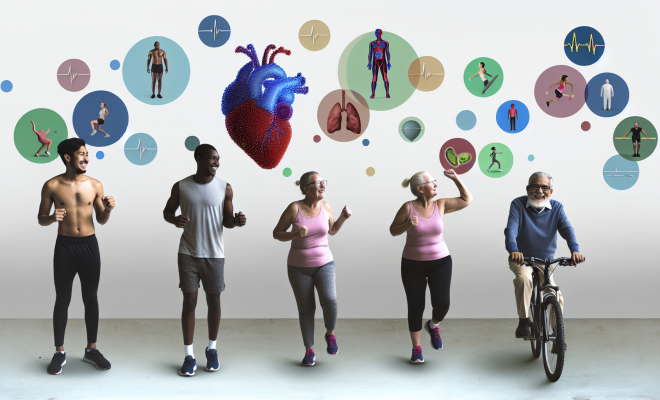
In a groundbreaking study, researchers have found that dedicating just a few minutes each day to vigorous physical activity can lead to significant reductions in the risk of developing eight major diseases. This research challenges the conventional wisdom that longer, moderate exercise sessions are necessary for health benefits, suggesting instead that short bursts of intense activity can be remarkably effective.
The Health Benefits of Vigorous Activity
The findings of the study, which analyzed extensive datasets, provide compelling evidence that engaging in just a few minutes of vigorous exercise daily can dramatically lower the risks associated with a variety of serious health conditions, including:
- Heart disease
- Dementia
- Diabetes
- Certain types of cancer
- Obesity
- Chronic respiratory diseases
- Hypertension
- Depression
Health experts have long emphasized the importance of physical activity in maintaining overall health. This new research adds a fresh perspective, highlighting that the intensity of exercise can be more crucial than the duration.
Key Findings: A Focus on Intensity
The study’s results indicate that even a few minutes of vigorous activity, enough to leave individuals slightly out of breath, can yield health benefits comparable to those achieved through prolonged moderate exercise. This finding is particularly significant for individuals who may struggle to find time for longer workouts, as well as for those who may find prolonged exercise physically challenging.
The research articulates that:
- Short bursts of high-intensity exercise can be integrated into daily routines without requiring extensive time commitments.
- Individuals engaging in these brief yet vigorous sessions showed a marked reduction in health risks.
- The intensity level, rather than the duration, played a more prominent role in achieving health benefits.
Scientific Backing and Methodology
Conducted by a team of researchers, the study utilized large datasets that provided a robust foundation for its conclusions. Participants were observed over time, allowing scientists to draw correlations between exercise intensity and health outcomes. By focusing on vigorous activities—such as running, swimming, cycling, or high-intensity interval training (HIIT)—the researchers were able to demonstrate that even short durations of these activities could significantly impact long-term health.
Moreover, the study took into account various demographic factors, ensuring a comprehensive understanding of how different populations might benefit from vigorous exercise. The findings were corroborated by health experts who analyzed the data, lending credibility to the conclusions drawn.
Practical Implications: How to Incorporate Vigorous Activity
Given the study’s findings, it is crucial for individuals to consider how they can incorporate brief episodes of vigorous exercise into their daily lives. Here are some practical tips:
- Intervals during walks or runs: If you’re already walking or jogging, consider incorporating short sprints or faster paces for just a couple of minutes.
- High-Intensity Workouts: Engage in HIIT workouts that allow for short, intense bursts of activity followed by rest periods.
- Active hobbies: Consider activities that elevate your heart rate, such as dancing, kickboxing, or vigorous gardening.
- Utilize staircases: Opt for stairs instead of elevators for a quick cardiovascular boost.
- Set a timer: Dedicate a few minutes each day to perform bodyweight exercises like jumping jacks, burpees, or push-ups.
Conclusion: A New Approach to Fitness
The implications of this study are profound, suggesting that the path to a healthier life may not require hours spent at the gym. Instead, it can be achieved through small, manageable changes that emphasize intensity over duration. The results provide a promising outlook for those struggling with time constraints or motivation, encouraging a shift toward more vigorous, yet brief, exercise routines.
As public health campaigns evolve, there is a growing need to promote these findings, emphasizing that even a few minutes of effort can yield substantial health benefits. With the evidence stacking up, it may be time for individuals to reassess their approach to exercise and embrace the power of short bursts of vigorous activity for a healthier future.