Senegal’s AFCON 2026 Hosting Rights Stripped: A Call for Justice
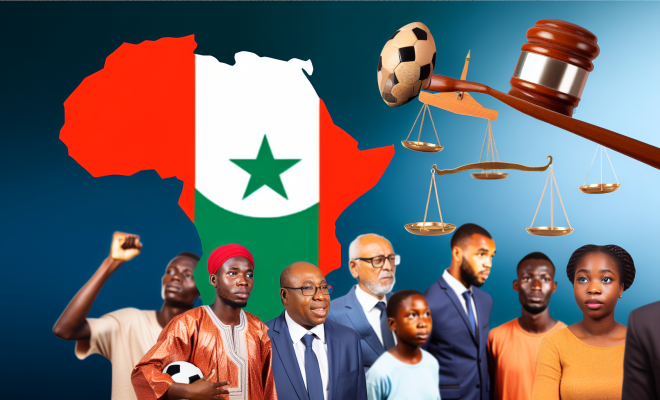
On March 19, 2026, Senegal’s football community erupted in condemnation following the shocking announcement from the Confederation of African Football (CAF) that stripped the nation of its hosting rights for the upcoming Africa Cup of Nations (AFCON). This decision has not only incited protests from key figures in the Senegalese football federation but also sparked broader discussions about governance and accountability within African football.
Background of the Decision
The decision by CAF came as a surprise to many, especially given Senegal’s strong footballing infrastructure and its recent successes on the continental stage. The nation had been gearing up to host the prestigious tournament, which is one of Africa’s premier sporting events, attracting teams and fans from across the continent.
CAF’s ruling has been attributed to various factors, including concerns over facilities, logistical issues, and allegations regarding compliance with CAF’s standards. However, the lack of transparency in the decision-making process has led to widespread criticism.
Senegalese Football Federation’s Response
In response to the announcement, the Senegalese football federation (FSF) expressed its outrage. Key officials, including the president of the FSF, have publicly voiced their discontent, highlighting the disappointment felt by players, fans, and stakeholders.
- Transparency Issues: The FSF has called for clarity regarding the criteria that led to the decision.
- Impact on Players: They emphasized the emotional toll this decision has on the players, who were excited about competing on home soil.
- Economic Consequences: The loss of hosting rights is expected to have significant economic implications for the nation, which had anticipated a boost from tourism and investment associated with the tournament.
Broader Implications for African Football
The turmoil surrounding Senegal’s hosting rights raises critical questions about governance in African football. Many believe that this incident is symptomatic of deeper issues within CAF, including allegations of corruption and mismanagement.
Observers point out that CAF’s decision-making process often lacks the necessary transparency and accountability that would foster trust among member nations. The situation has sparked a debate on the need for reforms within CAF to ensure fair treatment of all member associations.
Community and Fan Reactions
The reaction among Senegalese fans has been one of anger and frustration. Social media platforms have been flooded with messages expressing solidarity with the FSF and calling for immediate action from CAF. Many fans have organized grassroots movements to protest the decision, emphasizing the need for African nations to have a voice in the governance of their football.
Local businesses that were poised to benefit from the influx of visitors during the tournament have also expressed their dismay. Many small enterprises were counting on the anticipated economic boost, and the sudden withdrawal of hosting rights has left them uncertain about their financial future.
Calls for Reform
In light of these events, there have been growing calls for reforms within CAF. Football analysts and former players have urged a reevaluation of the governing body’s processes. Suggestions include:
- Improved Communication: Establishing clearer lines of communication between CAF and member associations.
- Standardized Criteria: Implementing standardized criteria for hosting rights that are transparent and accessible to all nations.
- Increased Accountability: Creating mechanisms to hold CAF accountable for its decisions and their impacts on member nations.
Many believe that tackling these governance issues will not only benefit Senegal but also enhance the overall integrity of African football.
Next Steps for Senegal
As Senegal navigates this setback, the FSF has indicated that it will continue to seek dialogue with CAF in hopes of addressing the concerns surrounding the decision. The federation is committed to ensuring that Senegal remains a key player in African football, advocating for its rightful place on the continental stage.
Moving forward, Senegal’s football community is determined to push for reforms within CAF that will prevent similar situations from occurring in the future. The emphasis will be on building a robust and transparent governance structure that respects the contributions and aspirations of all member nations.
Conclusion
The decision to strip Senegal of its AFCON hosting rights has ignited a critical conversation about governance in African football. As protests continue and calls for reform grow louder, it remains to be seen how CAF will respond. For now, Senegal stands united in its quest for justice, aiming to ensure that its voice is heard in the corridors of African football governance.