Mortgage Rates Climb in March 2026: Impact on Homebuyers
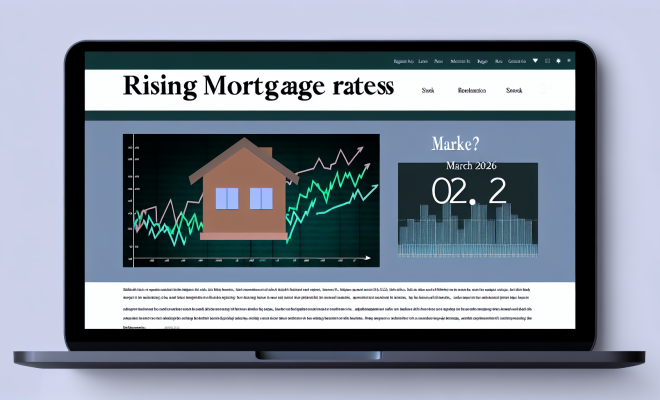
As of March 31, 2026, the landscape of mortgage rates has shifted noticeably, presenting both challenges and opportunities for potential homebuyers. According to data from Optimal Blue, the average 30-year fixed-rate conforming mortgage rate has climbed to 6.494%, marking an increase of 7 basis points since the previous day and a notable rise of 13 basis points over the course of the past week.
Understanding the Current Mortgage Rate Environment
The current average for a 15-year fixed-rate mortgage stands at 5.775%, also reflecting a weekly increase of 7 basis points. These trends indicate a broader pattern of rising interest rates, which can significantly impact the housing market and affect the decisions of both buyers and sellers.
Factors Contributing to Rising Rates
Several underlying factors are contributing to the uptick in mortgage rates. One key element is the current volatility in Treasury yields, which have been influenced by escalating oil prices. This correlation between oil prices and Treasury yields often leads to higher borrowing costs for consumers, as lenders adjust their rates in response to the economic climate.
According to Joel Kan, Vice President of the Mortgage Bankers Association, the increase in mortgage rates has resulted in a significant decline in mortgage applications. For the week ending March 20, applications dropped by 10.5%, indicating that prospective homebuyers are becoming more cautious in the face of rising costs.
The Implications for Homebuyers
For many homebuyers, especially first-time buyers, the rise in mortgage rates can have substantial implications. Higher rates typically lead to increased monthly payments, which can affect affordability and purchasing power. As rates climb, buyers may need to reassess their budgets and expectations.
- Increased Monthly Payments: An increase in mortgage rates can raise the monthly payment significantly. For example, a typical $300,000 loan at 6.494% would result in a monthly payment of approximately $1,896, compared to around $1,842 at 6.384%.
- Affordability Challenges: Rising rates can push some homes out of reach for buyers who were previously qualified for a loan. This can lead to a shrinking pool of available properties for those looking to enter the market.
- Potential for Market Slowdown: With fewer applications and buyers pulling back, there is a possibility that the housing market could see a slowdown. Sellers may need to adjust their expectations regarding pricing and time on the market.
Advice for Homebuyers in a Rising Rate Environment
Given the current economic conditions, homebuyers may want to consider the following strategies to navigate the market effectively:
- Act Quickly: If you find a property that meets your needs and budget, consider moving quickly. As rates rise, waiting to purchase may lead to higher costs down the line.
- Consider Fixed-Rate Mortgages: In a rising rate environment, a fixed-rate mortgage can provide stability against future rate increases. Locking in a rate now may be beneficial for long-term budgeting.
- Explore Different Loan Options: Depending on your financial situation, it may be worth exploring different types of loans, such as adjustable-rate mortgages (ARMs) or government-backed loans, which may offer more favorable terms.
Looking Ahead: What to Expect
The future trajectory of mortgage rates remains uncertain as various economic factors continue to evolve. Analysts will be closely monitoring oil prices, inflation indicators, and Federal Reserve policies to gauge where rates may head next. If inflation persists or if the economy shows signs of overheating, further rate hikes may be on the horizon.
For potential homebuyers, staying informed about economic trends and mortgage rates is essential. Engaging with financial advisors and real estate professionals can help make sense of the current landscape and aid in making informed decisions.
In conclusion, while the rise in mortgage rates poses challenges for homebuyers in March 2026, understanding the factors at play and adapting strategies accordingly can help navigate this complex market. Whether you’re looking to buy your first home or upgrade, staying proactive and informed will be crucial in this evolving economic environment.