Mortgage Rates Climb: Oil Prices & Geopolitical Tensions in 2026
As we approach the week of March 12 to 18, 2026, the mortgage market is facing upward pressure due to a combination of rising oil prices and increasing geopolitical tensions, particularly stemming from the ongoing conflict with Iran. This article explores how these elements are influencing mortgage rates and what homeowners and potential buyers can expect in the near future.
The Oil Price Surge
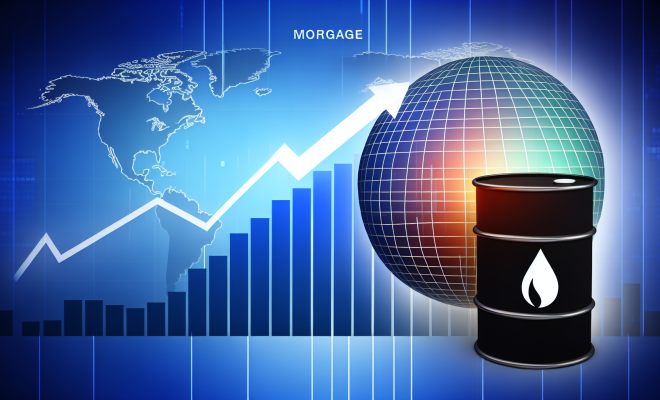
In recent weeks, oil prices have surged significantly, increasing by an astonishing 59% from $56 to $89 per barrel since January 7. This spike is largely attributed to geopolitical uncertainties, particularly the conflict in the Middle East, which has led to fears of supply disruptions and heightened market volatility.
The Link Between Oil Prices and Inflation
Economic experts, including Nicole Rueth from CrossCountry Mortgage and James Sahnger of C2 Financial, point out that fluctuations in oil prices can have a direct impact on inflation rates. A 5% increase in oil prices can result in a 0.1% rise in inflation. This correlation is critical as it influences the broader economic landscape, including mortgage rates.
The recent Consumer Price Index (CPI) report showed relatively tame inflation rates; however, the risks associated with rising energy costs overshadow this calm. Analysts predict that as oil prices continue to rise, the 10-year Treasury yield, which is pivotal in determining mortgage rates, could see an increase of more than 25 basis points from its previous level of 3.95% recorded on February 27.
Current State of Mortgage Rates
As of now, mortgage rates are edging higher, reflecting the anticipated inflationary pressures. This trend could potentially lead to higher borrowing costs for homeowners and those looking to purchase property. Experts like Robert J. Smith from GetWYZ Mortgage and Sean P. Salter of Middle Tennessee State University emphasize the importance of monitoring these developments closely.
What Homebuyers Should Expect
For those in the market for a mortgage, it’s essential to understand the implications of these rising rates. Here are some key considerations:
- Increased Monthly Payments: As mortgage rates increase, so do monthly payments. This could affect affordability for many buyers.
- Timing the Market: Potential buyers may want to consider locking in rates sooner rather than later, as further increases are anticipated.
- Long-term Planning: Buyers should evaluate their long-term financial plans, particularly how an increase in mortgage rates could impact their overall budget.
- Consult Professionals: Engaging with mortgage professionals can provide valuable insights and help navigate the changing landscape.
The Geopolitical Landscape
The conflict with Iran is a significant factor contributing to the volatility in oil prices. Tensions in this region can lead to sudden spikes in oil prices, which in turn affects inflation and mortgage rates. It is crucial for homebuyers and investors to stay informed about geopolitical developments as they can have immediate effects on the financial markets.
Future Predictions
Looking ahead, experts suggest that unless there is a resolution to the geopolitical tensions or a stabilization in oil prices, we can expect upward pressure on mortgage rates. The combination of high energy prices and inflation concerns is likely to keep the market on edge.
According to analysts, the mortgage market could see rates rise slightly over the next week due to these factors. Homeowners and potential buyers should be prepared for this environment as they navigate their options.
Conclusion
In summary, the week of March 12 to 18, 2026, presents significant challenges for the mortgage market, primarily driven by rising oil prices and geopolitical uncertainties. As the situation develops, both current homeowners and prospective buyers must remain vigilant and informed. Understanding the interplay between oil prices, inflation, and mortgage rates is critical for making sound financial decisions in these turbulent times.