AI & EdTech: Revolutionizing Education in 2026
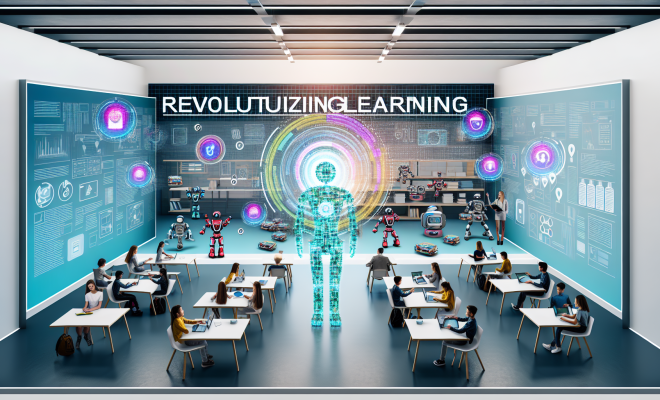
The landscape of education is undergoing a significant transformation, driven by rapid advancements in artificial intelligence (AI) and educational technology (EdTech). As of April 2, 2026, the latest developments in this field are not only reshaping the way educators teach but also how students learn. This article explores the latest breakthroughs, trends, and research in AI and EdTech, highlighting their potential to enhance learning outcomes and accessibility.
AI-Powered Learning: A Game Changer for Education
Artificial intelligence is becoming an integral part of the educational ecosystem, with innovative tools and applications emerging to assist both instructors and learners. AI’s ability to analyze vast amounts of data enables personalized learning experiences tailored to individual student needs. This adaptability is particularly vital in addressing diverse learning styles and paces.
Breakthroughs in AI-Driven Tools
- Adaptive Learning Platforms: Companies are launching adaptive learning systems that adjust content and assessments in real-time based on student performance. These platforms use algorithms to identify knowledge gaps, allowing for targeted interventions.
- Intelligent Tutoring Systems: AI-powered tutoring systems now offer students 24/7 assistance, providing explanations, resources, and practice problems tailored to their specific challenges.
- Virtual Reality (VR) and Augmented Reality (AR): The integration of AI with VR and AR technologies is creating immersive learning environments. Students can engage with dynamic simulations that enhance understanding and retention of complex concepts.
Research Insights on AI in Education
Recent studies underscore the positive impact of AI on educational outcomes. Research indicates that AI can enhance student engagement, improve retention rates, and support teachers in administrative tasks, freeing up time for more meaningful interactions with students.
For instance, a study conducted by the Global Education Research Institute found that schools employing AI tools saw a 20% increase in student performance metrics over a year. These findings reinforce the importance of integrating technology into curricula to prepare students for a rapidly evolving job market.
Emerging Trends in EdTech
The EdTech industry is witnessing several trends that reflect the growing influence of AI on education:
- Data-Driven Decision Making: Schools are increasingly relying on data analytics to inform instructional strategies and resource allocation. AI systems facilitate the collection and analysis of student performance data, leading to more effective teaching practices.
- Increased Focus on Equity: As educational institutions strive to become more inclusive, AI tools are being developed to support learners with disabilities and those from disadvantaged backgrounds. These technologies aim to level the playing field and provide equal access to quality education.
- Collaboration Between EdTech and Traditional Education: Partnerships between technology companies and educational institutions are essential for creating effective AI solutions. Collaborative efforts are focused on aligning technology with pedagogical frameworks to enhance teaching and learning.
Industry Updates: Key Players and Innovations
The EdTech landscape is crowded with startups and established companies vying to make their mark. Noteworthy developments include:
- Major Investments: Venture capital firms are increasingly investing in AI-driven educational startups. Recent funding rounds have raised millions for companies developing innovative solutions that address critical challenges in education.
- Government Initiatives: Governments worldwide are recognizing the importance of AI in education. Initiatives aimed at integrating AI into national curricula and teacher training programs are being implemented to enhance the effectiveness of the workforce.
- Corporate Partnerships: Leading tech companies are forming alliances with educational institutions to pilot AI applications. These partnerships aim to leverage resources and expertise to develop scalable solutions that benefit learners.
The Future of AI in Education
As we move further into 2026, the potential for AI in education continues to expand. The convergence of technology and pedagogy promises to create more engaging, personalized, and effective learning experiences. However, challenges remain, such as ensuring data privacy, addressing ethical concerns, and maintaining a balance between technology and traditional teaching methods.
Educators and policymakers must remain vigilant in their efforts to harness the benefits of AI while mitigating potential risks. By fostering a culture of innovation and collaboration, the educational sector can fully realize the transformative power of AI in shaping the future of learning.
Ultimately, the ongoing developments in AI and EdTech are paving the way for a new era in education, where every student has the opportunity to thrive in an increasingly digital world.