Sweat-Powered Sensors: Revolutionizing Health Monitoring
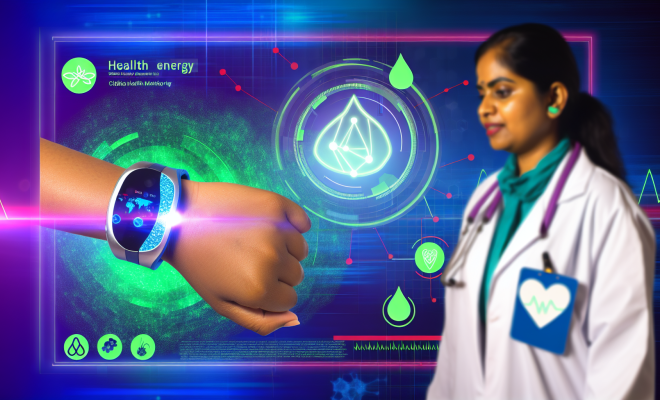
In a groundbreaking development, researchers from the Tokyo University of Science have unveiled innovative wearable sensors that harness the power of sweat to generate electricity. This remarkable technology, powered by biofuel cells, utilizes lactate present in perspiration to create an energy source, eliminating the reliance on conventional batteries. As the landscape of personal health monitoring evolves, these sweat-powered devices promise to revolutionize the way we track our health and wellness.
The Mechanics of Sweat-Powered Sensors
The newly developed sensors are designed to leverage the natural biochemical processes of the human body. When we sweat, our skin secretes various metabolites, including lactate, which is produced during physical exertion. The biofuel cells embedded in these sensors extract energy from lactate, converting it into usable electrical power. This innovation not only extends the lifespan of wearable devices but also opens the door for continuous health monitoring without the need for frequent battery replacements.
Applications in Personal Health Monitoring
The potential applications for these sweat sensors are vast and diverse. They can be used in:
- Fitness Trackers: By monitoring hydration levels and lactate production, users can optimize their workout routines and improve performance.
- Smartwatches: Integrating these sensors into smartwatches could provide real-time insights into the wearer’s health status, including stress levels and fatigue.
- Medical Patches: The sensors could be utilized in medical patches for continuous monitoring of patients, aiding in the early detection of illnesses.
- Smart Textiles: Incorporating these sensors into clothing could lead to garments that not only monitor health but also adapt to the wearer’s physiological needs.
These applications signify a major leap towards more personalized health management, allowing individuals to track vital health metrics seamlessly and continuously.
Advancements in Self-Powered Health Monitors
In addition to the work at the Tokyo University of Science, researchers from the University of Chinese Academy of Sciences have made significant strides in developing self-powered health monitors. This research focuses on creating sustainable, battery-free electronics that can be employed in both daily and extreme conditions. The integration of these technologies with sweat sensors paves the way for a new era of health monitoring devices.
Sustainability and Practicality
One of the most compelling aspects of sweat-powered sensors is their sustainability. Traditional wearable devices often rely on batteries that can be harmful to the environment due to disposal issues and the resources required for production. In contrast, sweat sensors represent a shift towards greener technology, utilizing a renewable energy source that is readily available during physical activity.
Furthermore, the practicality of these devices cannot be overstated. As people become increasingly health-conscious and seek ways to monitor their well-being, the demand for user-friendly, efficient, and sustainable health monitoring solutions grows. Sweat-powered sensors fit this demand perfectly, offering a non-invasive and low-maintenance option for health tracking.
Challenges and Future Directions
Despite the promising advancements, several challenges remain for the widespread adoption of sweat sensors in health monitoring. One significant hurdle is the accuracy and reliability of the data collected from sweat. Researchers must ensure that the sensors provide precise readings that can be trusted for health-related decisions.
Another challenge lies in the integration of these sensors into existing wearable technology. Manufacturers will need to collaborate closely with scientists to develop devices that not only function effectively but also meet consumer expectations for comfort and style.
Looking ahead, the future of sweat-powered sensors appears bright. As research continues and technology advances, we may soon see these devices becoming commonplace in our daily lives. With the potential to empower individuals in managing their health, sweat sensors may significantly reduce the burden on healthcare systems while promoting a proactive approach to wellness.
Conclusion
The development of sweat-powered sensors marks a significant milestone in the field of personal health monitoring. By harnessing the power of our own bodies, these innovative devices have the potential to transform how we track our health, enhance our fitness routines, and even detect illnesses early. As research progresses and these technologies become integrated into everyday life, we stand on the cusp of a new era in health management—one that is sustainable, efficient, and profoundly empowering.