Purpose-Driven Purchases: The New Era of Car Buying
Changing Dynamics in the Automotive Market
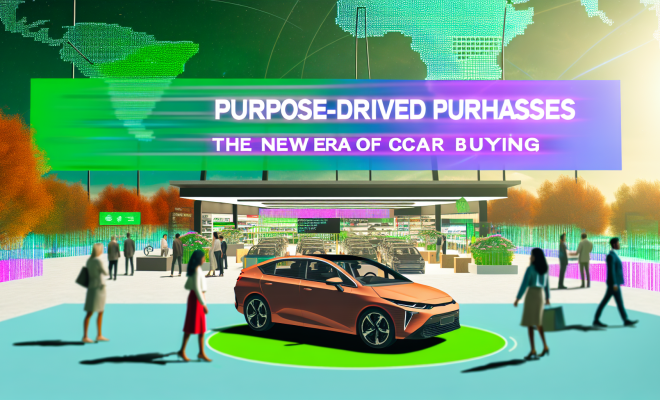
As the automotive landscape evolves, so too do the motivations behind consumer purchases. A recent survey conducted by Cars.com reveals a significant shift in the car-buying process, indicating that by 2026, a remarkable 75% of car shoppers will enter the market driven by essential needs. This trend underscores a paradigm where urgency, rather than mere browsing, dictates consumer behavior.
Survey Insights: Understanding Consumer Intent
Conducted from March 6-10 with a sample size of 1,911 respondents, the survey highlights crucial factors that motivate consumers to make car purchases. Key reasons for entering the market include:
- Growing families
- Job changes
- Failing vehicles
The findings suggest that practical needs are taking precedence over exploratory browsing, indicating a more serious approach to car shopping.
The Influence of Budget Concerns
Despite the practical necessities prompting shoppers to enter the market, budgetary concerns remain a significant factor. Surprisingly, the survey reveals that 70% of respondents are willing to spend the same or more on their vehicle purchases. This willingness to invest despite economic pressures points to a changing mindset among consumers, who prioritize reliability and capability over cost savings.
Sales Surge: A Six-Month High
The purposeful buying trend has had a tangible impact on the automotive market, contributing to new-vehicle sales reaching a six-month high in March. This surge is not merely coincidental; it reflects a broader shift in consumer behavior as buyers respond to their immediate needs rather than indulging in leisurely browsing.
The Role of Urgency in Consumer Behavior
As urgency takes center stage, consumers are more likely to act quickly when they perceive a need. The reasons driving this urgency include:
- Immediate family requirements, such as the arrival of a new child necessitating a larger vehicle
- Job relocations that require dependable transportation
- Safety concerns stemming from older vehicles that may no longer be reliable
This shift towards urgency-based purchases reflects a fundamental change in how consumers approach the decision-making process. Rather than viewing car shopping as a leisurely endeavor, many now see it as a necessary and immediate action.
Implications for Automakers and Dealers
For automakers and dealerships, these insights present both challenges and opportunities. Understanding the motivations behind consumer purchases can help businesses tailor their strategies to meet the needs of today’s buyers. Here are some implications for the industry:
- Enhanced Marketing Strategies: Targeted marketing campaigns that address the specific needs of families and professionals can resonate more effectively with consumers.
- Inventory Management: Keeping a well-stocked inventory of family-friendly and reliable vehicles can attract buyers who are ready to make a purchase.
- Customer Engagement: Building relationships through personalized customer service can help dealerships stand out in a crowded marketplace.
By aligning their offerings with the motivations of purposeful shoppers, automakers and dealers can better navigate the changing landscape of consumer demand.
Future Trends in Car Buying
Looking ahead, the trend of purposeful car buying is likely to continue shaping the automotive market. As families grow and job markets fluctuate, the demand for reliable transportation will persist. Additionally, as new features and technologies emerge, consumers may become more discerning about their choices, making it essential for manufacturers to stay ahead of the curve.
Final Thoughts
The landscape of car shopping is transforming. With 75% of prospective buyers entering the market out of necessity, automakers and dealerships must adapt to these new consumer dynamics. By prioritizing essential needs and responding to urgency-driven purchases, the automotive industry can thrive in a competitive environment. In this new era of car buying, understanding and addressing consumer motivations will be key to sustaining growth and fostering customer loyalty.