The Tech Edvocate

Top Menu

  • Advertisement
  • Apps
  • Home Page
  • Home Page Five (No Sidebar)
  • Home Page Four
  • Home Page Three
  • Home Page Two
  • Home Tech2
  • Icons [No Sidebar]
  • Left Sidbear Page
  • Lynch Educational Consulting
  • My Account
  • My Speaking Page
  • Newsletter Sign Up Confirmation
  • Newsletter Unsubscription
  • Our Brands
  • Page Example
  • Privacy Policy
  • Protected Content
  • Register
  • Request a Product Review
  • Shop
  • Shortcodes Examples
  • Signup
  • Start Here
    • Governance
    • Careers
    • Contact Us
  • Terms and Conditions
  • The Edvocate
  • The Tech Edvocate Product Guide
  • Topics
  • Write For Us
  • Advertise

Main Menu

  • Start Here
    • Our Brands
    • Governance
      • Lynch Educational Consulting, LLC.
      • Dr. Lynch’s Personal Website
      • Careers
    • Write For Us
    • The Tech Edvocate Product Guide
    • Contact Us
    • Books
    • Edupedia
    • Post a Job
    • The Edvocate Podcast
    • Terms and Conditions
    • Privacy Policy
  • Topics
    • Assistive Technology
    • Child Development Tech
    • Early Childhood & K-12 EdTech
    • EdTech Futures
    • EdTech News
    • EdTech Policy & Reform
    • EdTech Startups & Businesses
    • Higher Education EdTech
    • Online Learning & eLearning
    • Parent & Family Tech
    • Personalized Learning
    • Product Reviews
  • Advertise
  • Tech Edvocate Awards
  • The Edvocate
  • Pedagogue
  • School Ratings

logo

The Tech Edvocate

  • Start Here
    • Our Brands
    • Governance
      • Lynch Educational Consulting, LLC.
      • Dr. Lynch’s Personal Website
        • My Speaking Page
      • Careers
    • Write For Us
    • The Tech Edvocate Product Guide
    • Contact Us
    • Books
    • Edupedia
    • Post a Job
    • The Edvocate Podcast
    • Terms and Conditions
    • Privacy Policy
  • Topics
    • Assistive Technology
    • Child Development Tech
    • Early Childhood & K-12 EdTech
    • EdTech Futures
    • EdTech News
    • EdTech Policy & Reform
    • EdTech Startups & Businesses
    • Higher Education EdTech
    • Online Learning & eLearning
    • Parent & Family Tech
    • Personalized Learning
    • Product Reviews
  • Advertise
  • Tech Edvocate Awards
  • The Edvocate
  • Pedagogue
  • School Ratings
  • A Visitors Guide to Pittsburgh (PA), United States

  • A Visitors Guide to Colorado Springs (CO), United States

  • 5 Pairs of Shoes That Will Instantly Step Your Shoe Game Up

  • Radiant Youthful Skin is the Perfect Christmas Gift

  • Give Your Loved One the Gift of Youthful, Radiant Skin this Christmas

  • Give Your Loved One the Gift of a Restful Night Sleep this Christmas

  • Nex Playground’s Holiday Sales Bring Active Play Indoors This Seaso

  • A Visitors Guide to Louisville (KY), United States

  • A Visitor’s Guide to Nashville-Davidson (TN), United States

  • A Visitors Guide to Portland (OR), United States

Early Childhood & K-12 EdTechEdTech Startups & Businesses
Home›Early Childhood & K-12 EdTech›Plagiarism Concerns Are Prevalent Among US Students

Plagiarism Concerns Are Prevalent Among US Students

By Matthew Lynch
July 12, 2016
0
Spread the love

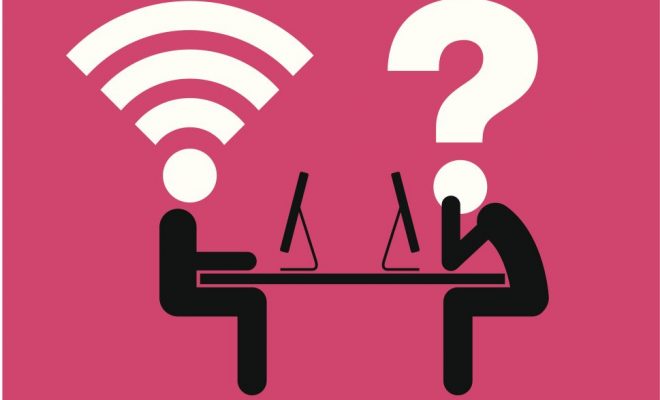
Today we see the impact of technology becoming more and more integrated into our daily lives. The way we commute, listen to music, shop and now, the way we study and research. Education has also changed dramatically with the evolution of technology. A recent survey found some startling results about the relationship US university students have with citations and plagiarism, and the role technology plays in helping them navigate the issues.

Early this year, popular digital reference management tool, RefME conducted two online surveys among 2,111 US higher education students to discover more about their attitudes towards plagiarism and the types of tools they use to support them as they write and research. There were two groups surveyed: students who currently use the RefME citation tool and those who do not. The survey revealed that students are seeking more information, and new approaches to help them avoid plagiarism. For example, Of all the students surveyed, only 40% agreed when asked if they felt they had received enough information about citing during their studies. This could be partly explained by the rapidly changing nature of research with online sources – including social media – which could have left some libraries’ and faculties’ teaching of citations behind the innovation curve.

The results revealed that 72% of US students fear facing disciplinary action for plagiarism – reasons could vary from being misinformed to lacking the knowledge of how to cite. It’s no surprise that citing accurately is not a straightforward task nor is it ever one size fits all. Referencing practices can change over time and evolve as new technologies bring forth new sources to cite. So, how are we expecting students to stay informed and know how to cite the more specific sources such as a tweet, YouTube video or the more common book or journal article? Between new technologies and various kinds of citation formats such as MLA and APA, students can find it challenging to maintain accuracy within their bibliographies and ensure that the comma comes before the publication year… or is it after?

RefME’s CEO, Tom Hatton believes that the findings suggest a “real problem that tools like RefME are trying to solve,” he states, “We want students to do better research by knowing that they can use tools like RefME to help them along their research journey. I hope we can look back at these numbers in a couple of years and see evidence that the sentiment towards plagiarism has changed.”

Using tools and new technologies to automate the citation process allows students to keep their work free from plagiarism, leaving time for students to focus on broadening their research, finding new sources and strengthening their writing. Though the survey results demonstrate that automated tools do not remove the need to educate students in what they need to cite, and understanding why citing is important – for example, 18% of US students were unsure as to whether ‘ghost writing’ constitutes academic misconduct; and 38% of students were either unsure or unaware that they do not need to cite common knowledge and everyday phrases in their assignments.

It’s important that students develop strong writing and research skills as well as learning the core requirements of the referencing style they are using so that they do not rely completely on technology, but rather use it as a support within their whole research journey.

RefME believe that students need to learn how to paraphrase, use quotes and embed citations and though offering an automate citation generator online, they also offer several web and video resources that explain exactly how to reference and why it’s important.


 

TagsEdtechedtechchatelearningSTEAMSTEM
Previous Article

Students struggle with digital skills because their ...

Next Article

Why your child’s digital footprints in school ...

Matthew Lynch

Related articles More from author

  • Uncategorized

    Trailblazers in Edtech: Rafranz Davis

    October 10, 2017
    By Matthew Lynch
  • Early Childhood & K-12 EdTech

    10 Apps to Help Students With Their Science Homework

    June 17, 2017
    By Matthew Lynch
  • Uncategorized

    Khan Academy, College Board and Turnitin Power Official SAT Practice, Available Free to Everyone

    December 15, 2016
    By Matthew Lynch
  • Early Childhood & K-12 EdTechHigher Education EdTech

    10 Edtech Tools for the Flipped Classroom

    June 19, 2017
    By Matthew Lynch
  • Uncategorized

    Why is a STEM education important? Because it’s going to help me build a better water system for Ethiopia.

    June 8, 2017
    By Matthew Lynch
  • EdTech News

    Is Boston poised to be the ed-tech capital?

    February 4, 2016
    By Matthew Lynch

Search

Login & Registration

  • Register
  • Log in
  • Entries feed
  • Comments feed
  • WordPress.org

Newsletter

Signup for The Tech Edvocate Newsletter and have the latest in EdTech news and opinion delivered to your email address!

About Us

Since technology is not going anywhere and does more good than harm, adapting is the best course of action. That is where The Tech Edvocate comes in. We plan to cover the PreK-12 and Higher Education EdTech sectors and provide our readers with the latest news and opinion on the subject. From time to time, I will invite other voices to weigh in on important issues in EdTech. We hope to provide a well-rounded, multi-faceted look at the past, present, the future of EdTech in the US and internationally.

We started this journey back in June 2016, and we plan to continue it for many more years to come. I hope that you will join us in this discussion of the past, present and future of EdTech and lend your own insight to the issues that are discussed.

Newsletter

Signup for The Tech Edvocate Newsletter and have the latest in EdTech news and opinion delivered to your email address!

Contact Us

The Tech Edvocate
910 Goddin Street
Richmond, VA 23231
(601) 630-5238
[email protected]

Copyright © 2025 Matthew Lynch. All rights reserved.