Philippines’ Economy Strains: Inflation Hits 4.1% in March 2026
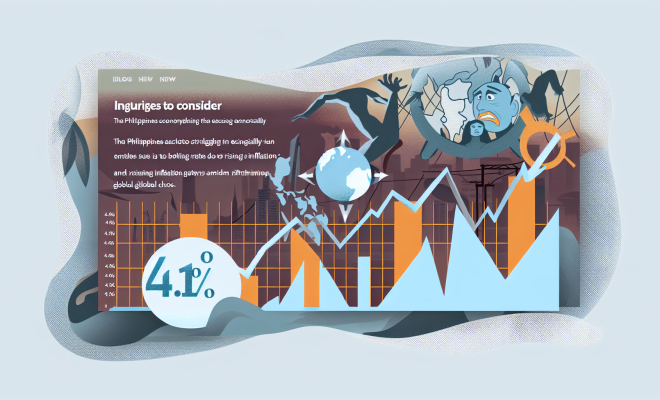
The economic landscape in the Philippines has taken a dramatic turn as inflation surged to 4.1% in March 2026, exceeding the central bank’s target and signaling significant financial strain for households across the nation. This uptick in inflation is largely attributed to early shocks stemming from the ongoing conflict in Iran and a notable rise in fuel prices.
Impact of the Iran Conflict on Local Inflation
The war in Iran has sent shockwaves through global markets, affecting supply chains and driving up commodity prices. With fuel prices soaring, the ripple effects have been felt throughout the economy, leading to increased costs for transportation and energy. Households are particularly vulnerable, as these rising expenses directly impact their daily lives.
Transportation Costs Surge
In a related development, the low-cost airline AirAsia announced a fare increase of up to 40%, along with plans to cut back on flights. This decision is a response to escalating operational costs driven by fuel price hikes. As a result, many travelers are facing higher expenses for air travel, adding to the economic burden on families who are already grappling with inflation.
Effects on Households
The increase in inflation and transportation costs is straining household budgets. Families are finding it increasingly difficult to manage expenses as prices for essential goods and services rise. Energy costs, in particular, have surged, compounding the financial challenges faced by many Filipino households.
- Higher energy bills due to increased fuel prices.
- Increased transportation costs affecting daily commutes.
- Overall inflation leading to rising prices of basic goods.
Liquidity Challenges in the Media Sector
In addition to rising consumer prices, the Philippine media landscape is also feeling the pinch. ABS-CBN, one of the country’s leading media networks, has experienced liquidity challenges. CEO Eugenio Gabby Lopez III is currently working on raising ₱500 million to address these financial pressures. This situation highlights how the broader economic environment is affecting various sectors beyond just consumer goods.
Broader Economic Implications
The rising inflation rate and increased costs of living have far-reaching implications for the Philippine economy. As households tighten their belts in response to these pressures, consumer spending may decline, potentially slowing economic growth. Businesses may also face challenges, with increased operational costs leading to price hikes, reduced profit margins, or even layoffs.
Central Bank Response
In light of the escalating inflation, the Bangko Sentral ng Pilipinas (BSP) may need to reassess its monetary policy. Historically, central banks respond to rising inflation by increasing interest rates to cool down the economy. However, such measures can also stifle growth, creating a difficult balancing act for policymakers. The BSP’s decisions in the coming months will be critical in determining how effectively the economy can navigate these turbulent waters.
Public Sentiment and Future Outlook
Public sentiment is understandably cautious as families and businesses grapple with the implications of rising inflation. Many people are concerned about job security, the affordability of basic goods, and the overall economic trajectory of the country. As the global situation continues to evolve, the Philippines must remain vigilant in monitoring these external pressures.
Looking ahead, the government may need to implement measures to support affected sectors and alleviate the burden on households. This could include targeted subsidies, support for transportation providers, and initiatives to stabilize prices on essential goods.
Conclusion
The rise in inflation to 4.1% in March 2026 has unveiled the vulnerabilities within the Philippine economy, exacerbated by international conflicts and rising commodity prices. With households facing increasing financial strain and industries confronting operational challenges, the Philippines must navigate a complex economic landscape. The actions taken by the government and the central bank will be pivotal in shaping the country’s economic recovery and ensuring that the impacts of inflation are mitigated for the average Filipino.