Healthcare Costs Dominate MAHA Voters’ Concerns in 2026
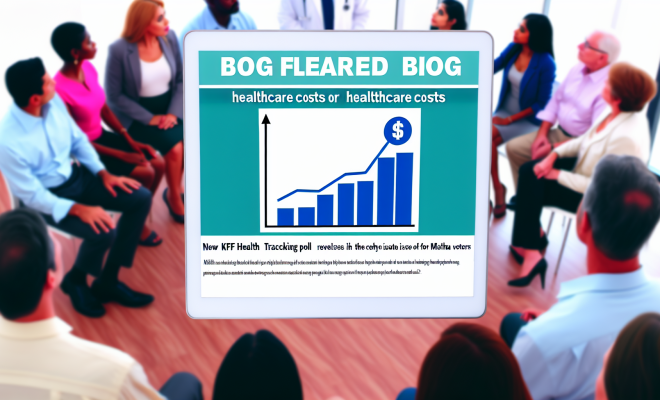
The latest KFF Health Tracking Poll has sparked a significant shift in political discourse, highlighting the paramount importance of healthcare costs among voters aligned with the Make America Healthy Again (MAHA) movement. This revealing data illustrates that healthcare expenses have eclipsed traditional issues such as immigration and crime in shaping political preferences, particularly in light of the upcoming midterm elections and the 2026 electoral cycle.
Healthcare Costs: The New Political Priority
For voters who identify with the MAHA movement, reducing out-of-pocket healthcare expenses, negotiating lower prescription drug prices, and addressing soaring insurance premiums have emerged as the foremost concerns. The KFF Health Tracking Poll shows an unprecedented shift in priorities, indicating a stronger focus on pocketbook health issues over cultural or partisan divides. This shift has surprised many political analysts, who previously anticipated that culture-war topics would continue to dominate the electoral landscape.
The poll’s findings indicate that a significant number of MAHA-aligned voters are willing to prioritize healthcare issues, a move that could reshape the strategies of political candidates as they prepare for upcoming elections. As noted in the survey, frustrations over healthcare costs are not simply a backdrop issue but rather a central theme that may define voter behavior moving forward.
The Data Behind the Shift
The KFF Health Tracking Poll provides compelling data that sheds light on this shift in political priorities. Here are some key points derived from the poll:
- Healthcare costs have overtaken immigration and crime as the primary concern for MAHA-voting individuals.
- Voters are particularly focused on reducing out-of-pocket healthcare expenses, with a significant majority expressing dissatisfaction with current costs.
- Prescription drug prices remain a hot-button issue, with many voters advocating for policies aimed at reducing costs.
- Insurance premiums are also a critical concern, as voters seek affordability in their healthcare plans.
This data presents a pivotal moment for candidates and policymakers alike. With voters expressing such strong sentiments regarding healthcare, it would be wise for political stakeholders to adjust their messaging accordingly.
The Social Media Reaction
The timing of the KFF Health Tracking Poll findings coincides with rising drug prices and ongoing legislative battles over healthcare reform. As such, the data has gone viral on social media platforms, with both left- and right-leaning commentators sharing charts and quotes from the poll. This virality emphasizes the sense of urgency surrounding the topic of healthcare and its implications for the upcoming elections.
Commentators have framed the survey results as evidence that healthcare issues could serve as the true ‘wedge issue’ for the 2026 electoral cycle. The dramatic shift in focus has created a ‘need to know’ effect among politicians, journalists, and activists, all eager to interpret the data and its potential impact on future races and policy debates.
Healthcare: The Wedge Issue of 2026?
The concept of healthcare as a wedge issue is not entirely new; however, the KFF Health Tracking Poll has provided concrete evidence that may solidify this assertion. By focusing on pocketbook concerns rather than cultural identity, MAHA voters are signaling a preference for tangible, relatable issues that directly affect their lives.
This shift presents a unique opportunity for political candidates. They can capitalize on the growing concern for healthcare costs by offering clear, actionable proposals that address voters’ needs. Candidates who successfully position themselves as champions of healthcare reform could gain significant advantages at the ballot box.
The Context of Rising Healthcare Costs
Several factors contribute to the growing concern over healthcare costs, including rising prescription drug prices, insurance disputes, and the potential for legislative changes. The KFF Health Tracking Poll highlights how these elements are shaping the political landscape as voters grapple with the realities of their financial burdens in terms of healthcare.
As drug prices continue to climb, many voters are left feeling disillusioned with the healthcare system. The indisputable link between healthcare costs and voting behavior underscores the urgency for candidates to address these issues head-on.
Implications for Political Strategies
The findings from the KFF Health Tracking Poll have significant implications for political candidates as they strategize for upcoming elections. Here are a few key considerations:
- Focus on Healthcare Policy: Candidates should prioritize healthcare in their campaigns, offering clear plans to reduce costs and improve access.
- Engagement with Voters: Direct engagement with constituents regarding their healthcare concerns can help candidates build trust and rapport.
- Adapt Messaging: Political messaging should reflect the importance of healthcare costs, rather than focusing solely on cultural or partisan issues.
By aligning their platforms with the priorities of MAHA voters, candidates can better position themselves for success in a rapidly changing political environment.
Understanding the MAHA Movement
To fully grasp the significance of the KFF Health Tracking Poll, it is crucial to understand the MAHA movement itself. The movement represents a coalition of voters seeking comprehensive healthcare reform aimed at making healthcare more affordable and accessible.
MAHA supporters often come from diverse backgrounds, yet they share a common desire to see real change in the healthcare system. This coalition has the potential to influence not only the midterms but also the broader political landscape moving forward.
Potential Challenges Ahead
While the KFF Health Tracking Poll presents an opportunity for candidates to focus on healthcare, challenges remain. Some potential hurdles include:
- Partisan Divides: The issue of healthcare can still evoke strong partisan responses, making bipartisan collaboration difficult.
- Public Mistrust: Many voters may feel skeptical about political promises related to healthcare, particularly given past failures to deliver meaningful reform.
- Economic Factors: Broader economic conditions, including inflation and employment rates, may influence voter attitudes toward healthcare costs.
Addressing these challenges will be crucial for candidates as they navigate the complexities of health-related issues in their campaigns.
The Road to 2026
As we look ahead to the midterms and the 2026 elections, the KFF Health Tracking Poll serves as a reminder of the shifting priorities among voters. The emphasis on healthcare costs among MAHA-aligned individuals is reshaping the political landscape and may have far-reaching implications for candidates in both parties.
By acknowledging the importance of healthcare in their platforms and addressing voters’ concerns head-on, political candidates can strive to build a stronger connection with their constituents. The KFF Health Tracking Poll has illuminated a critical aspect of the current political climate—one that is likely to resonate for years to come.
Conclusion
The KFF Health Tracking Poll has unveiled a critical shift in voter priorities, emphasizing the significance of healthcare costs among MAHA voters. As this issue takes center stage, political candidates must adapt their strategies to address the pressing concerns of their constituents. The evolving political landscape presents both challenges and opportunities as we approach the midterms and beyond. Understanding the dynamics at play will be essential for those seeking to make their mark in the arena of healthcare reform and political dialogue.