Nepal’s Adventure Tourism Rocked by $20M Insurance Fraud Scheme
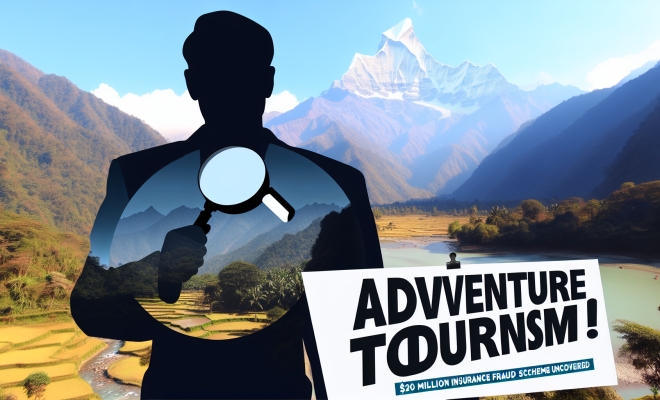
Nepal’s adventure tourism industry has come under intense scrutiny following the revelation of a shocking insurance fraud scheme that has led to the arrest of 32 individuals. Among those charged are trekking company owners, helicopter operators, and hospital officials, all allegedly involved in a conspiracy to poison trekkers in the Everest region to trigger expensive evacuations and claims against insurance providers, amounting to a staggering $20 million.
The Scheme Unveiled
According to a report by the New York Post, the fraudulent operation involved deliberately sickening clients who had come to experience Nepal’s breathtaking landscapes and towering peaks. By inducing illnesses, the perpetrators were able to arrange costly helicopter rescues, which were then billed to insurance companies.
Charges and Arrests
The Nepalese authorities have charged the group with various offenses, including organized crime and fraud. The scale of this operation raises serious questions about the safety and integrity of the adventure tourism sector in Nepal, a country that heavily relies on this lucrative market.
The suspects reportedly included not only individuals directly involved in the trekking industry but also hospital staff who may have colluded in the scheme by providing false medical reports to facilitate evacuation claims. The arrests were the result of a lengthy investigation spurred by numerous complaints from trekkers and insurance companies.
Impact on Nepal’s Tourism Industry
The implications of this fraud scheme extend beyond those directly involved. Nepal’s economy is significantly supported by tourism, particularly trekking and mountaineering activities in the Himalayas. The country attracts thousands of adventure-seekers every year, drawn by the allure of the world’s highest peaks, including Mount Everest.
With this scandal now in the public eye, concerns are mounting about the safety measures in place for trekkers. Many adventurers may think twice before embarking on their journeys, fearing not just the natural dangers of the mountains but also potential exploitation by those looking to profit from their misfortunes.
Vulnerabilities in Adventure Tourism Insurance
This case highlights significant vulnerabilities within the adventure tourism insurance sector. Travelers often purchase insurance to safeguard against unforeseen circumstances, including medical emergencies and evacuation needs. However, the fraudulent activities exhibited by these individuals reveal how such systems can be manipulated.
Insurance companies may now be forced to rethink their policies and procedures regarding claims from adventure tourism activities. As a result, they might implement stricter verification processes and collaborate more closely with local authorities to ensure that claims are legitimate and that the conditions leading to evacuation are genuine.
The Role of Authorities
Nepalese authorities have vowed to take stronger action against this kind of fraud, recognizing the potential damage it could inflict on the country’s reputation as a safe destination for trekkers. The Ministry of Tourism has indicated that it will work with law enforcement agencies to enhance monitoring and regulation of the trekking industry.
In addition, officials are considering increasing penalties for those found guilty of fraud and imposing stricter licensing requirements for trekking companies. These measures aim to restore trust in the industry and reassure potential tourists that their safety is a priority.
Future of Trekking in Nepal
As the investigation unfolds, the future of trekking in Nepal remains uncertain. The country’s tourism sector, which has been recovering from the impacts of the COVID-19 pandemic, may face additional challenges as potential travelers reassess their plans.
Adventure tourism is a significant aspect of Nepal’s economy, contributing substantially to job creation and local livelihoods. The government, alongside private industry leaders, must take proactive steps to ensure that such fraudulent activities do not tarnish the reputation of Nepal’s breathtaking trekking routes.
Conclusion
The shocking revelation of a $20 million insurance fraud scheme involving the poisoning of trekkers in Nepal serves as a wake-up call for the adventure tourism industry. With authorities taking decisive action to combat this issue, it is imperative that both the government and industry stakeholders work together to enhance safety and restore confidence among potential adventurers.
As investigations continue, the hope is that these efforts will not only bring those responsible to justice but also pave the way for a more secure and trustworthy adventure tourism environment in Nepal, ensuring that the beauty of its mountains can be experienced safely by all who seek to explore them.