Nebraska Wildfires 2026: Ranchers Face Unprecedented Crisis
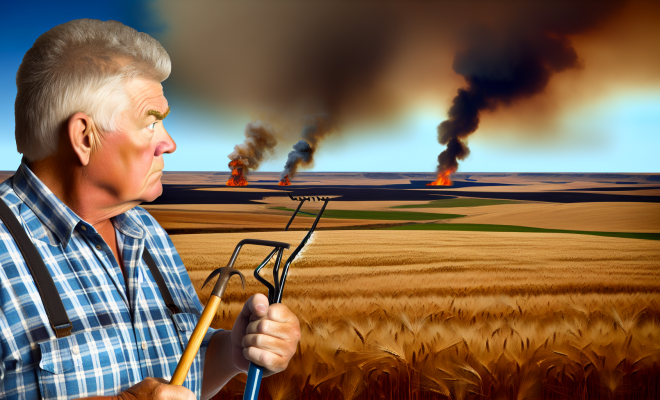
Nebraska’s ranching community is grappling with an alarming reality as the state records its highest number of acres burned by wildfires in history. Just three months into 2026, Nebraska has already surpassed the previous record for wildfire damage set in 2012, leaving ranchers and farmers to contend with substantial economic and environmental repercussions.
Record-Breaking Wildfire Activity
The early months of 2026 have seen unprecedented wildfire activity across Nebraska, with ranchers reporting devastating losses. The state has documented over 500,000 acres burned, a staggering statistic that underscores the growing severity of wildfires in the region. This year’s figures have not only shattered records but also highlighted a concerning trend that many believe is linked to climate change.
The Economic Toll on Ranchers
For Nebraska ranchers, the impact of these wildfires extends far beyond the immediate destruction of land. The fires have resulted in extensive damage to grazing pastures, which are crucial for livestock. As pastures burn, ranchers face the difficult decision of either relocating their herds or purchasing feed, both of which come at a significant financial cost.
- Livestock Losses: Many ranchers have reported losing livestock due to the fires or from inadequate grazing resources.
- Increased Feed Costs: With pastures burned, ranchers are forced to purchase additional feed, straining their budgets.
- Insurance Challenges: Some ranchers are finding it difficult to secure insurance coverage for future wildfire damage, further jeopardizing their financial stability.
Environmental Consequences
The environmental impact of these wildfires is equally alarming. Wildfires not only destroy vegetation but also disrupt local ecosystems, affecting wildlife habitats and water quality. The loss of vegetation can lead to soil erosion and decreased biodiversity, compounding the long-term effects of these fires.
Experts indicate that the combination of high temperatures, prolonged drought, and strong winds has created an ideal environment for wildfires to flourish. The intensity of these fires is expected to increase as climate change continues to alter weather patterns, making Nebraska particularly vulnerable.
Climate Change: A Key Factor
Climate change is emerging as a significant contributor to the increasing frequency and severity of wildfires in Nebraska. As temperatures rise and precipitation patterns shift, the conditions that foster wildfires are becoming more prevalent. A recent report by the National Oceanic and Atmospheric Administration (NOAA) indicates that Nebraska has experienced an uptick in extreme weather events, including droughts and heatwaves, which are directly correlated with climate change.
According to climate scientists, global warming is leading to drier conditions in many regions, including the Great Plains, which can result in more frequent and severe wildfires. As ranchers face the harsh realities of a changing climate, the need for adaptation strategies becomes increasingly urgent.
Ranchers’ Adaptation Strategies
In light of the challenges posed by wildfires and climate change, Nebraska ranchers are exploring various adaptation strategies to mitigate losses and prepare for future wildfire seasons. Some of these strategies include:
- Improved Land Management: Many ranchers are implementing rotational grazing practices and maintaining firebreaks to reduce the risk of fire spreading.
- Investing in Technology: Utilizing technology such as satellite imagery to monitor vegetation health and fire risks is becoming more common.
- Diversifying Operations: Some ranchers are diversifying their operations to include crops that are more resilient to drought and heat.
Community and Government Support
The challenges faced by Nebraska ranchers have prompted calls for increased support from both local communities and government agencies. Collaborative efforts to improve wildfire preparedness and response can make a significant difference in the resilience of the ranching sector. Programs aimed at educating ranchers about fire prevention techniques and offering financial assistance for recovery can help mitigate the impacts of wildfires.
Additionally, state and federal agencies are being urged to invest in infrastructure that can better withstand wildfire threats, including the construction of more firebreaks and the establishment of controlled burns as a preventative measure.
Conclusion
The ongoing wildfire crisis in Nebraska serves as a stark reminder of the challenges posed by climate change and its impact on agriculture. As ranchers navigate the complexities of this evolving landscape, their resilience and adaptability will play a crucial role in shaping the future of ranching in the state. Without concerted efforts to address the root causes of climate change and enhance wildfire preparedness, Nebraska’s ranching legacy remains at significant risk.