Regulating Ultra-Processed Foods: A New Approach Emerges
Understanding Ultra-Processed Foods
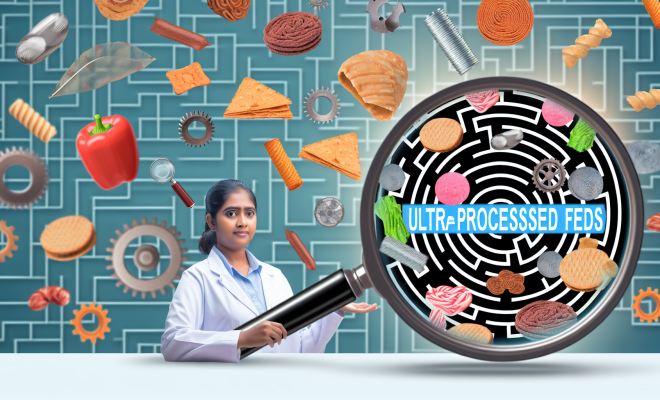
The conversation around ultra-processed foods (UPFs) has gained significant traction in recent years, particularly as health regulators seek to address the implications of these products on public health. Yet, defining what exactly constitutes UPFs presents a formidable challenge, reminiscent of Justice Potter Stewart’s famous obscenity test: “I know it when I see it.” This subjective nature complicates the development of effective policies aimed at regulating UPFs.
The NOVA Classification System
At the heart of most discussions surrounding UPFs is the NOVA classification system, which categorizes foods based on their degree of processing. While this classification has been pivotal in research and policy-making, it is not without its flaws. Critics argue that the NOVA system may oversimplify the complexities of food processing and its nutritional implications. The challenge lies in the fact that not all processed foods are inherently unhealthy, and the categorization can lead to misconceptions about the nutritional value of certain products.
Defining Non-Ultra-Processed Foods
In light of these challenges, a new proposal has emerged that suggests a shift in focus from defining UPFs to identifying non-UPFs. This would involve creating a framework for foods that do not contain specific chemical additives commonly used to enhance safety, prolong shelf life, or improve sensory appeal. By concentrating on the characteristics of non-UPFs, regulators may find a more straightforward path to establishing guidelines that promote healthier eating habits without the ambiguity associated with UPFs.
The Case of Cornflakes
One example that illustrates the complexity of UPFs is cornflakes. While they might be considered a breakfast staple, the process of making cornflakes involves extrusion, a method that enhances digestibility but also has implications for glycemic response. This raises the question: how do we balance the nutritional benefits against potential metabolic risks?
- Digestibility: Extrusion improves how well the body can break down and absorb nutrients.
- Glycemic Response: The process can raise blood sugar levels more significantly than less processed alternatives.
- Consumer Demand: Cornflakes offer consistency and convenience, appealing to modern consumers who prioritize quick meal options.
The dual nature of cornflakes exemplifies the ongoing dilemma food regulators face. On one hand, the product is designed to meet consumer demands for taste and convenience. On the other hand, its processing method raises concerns about its long-term health implications.
The Role of Food Additives
Food additives play a crucial role in the distinction between UPFs and non-UPFs. Many UPFs contain substances that improve flavor, texture, and shelf stability but may also contribute to health issues when consumed in excess. For instance, additives like artificial colors, flavors, and preservatives are common in many processed foods, leading to increased scrutiny from health advocates.
Challenges in Regulation
As regulators grapple with the complexities of defining UPFs, they also face the challenge of public perception. Many consumers are increasingly aware of the potential health risks associated with UPFs but may not fully understand which foods fall into this category. This lack of clarity can lead to confusion, ultimately undermining efforts to promote healthier dietary choices.
Moving Forward: A New Approach
To navigate the ultra-processed food dilemma effectively, it is essential for policymakers to engage in comprehensive research and dialogue with nutrition experts, food scientists, and public health advocates. The objective should be to develop clear, evidence-based guidelines that reflect the nuances of food processing while empowering consumers to make informed choices.
Key Considerations for Policy Development
- Scientific Evidence: Policies should be grounded in robust scientific research that examines the long-term health effects of various processing methods.
- Consumer Education: Effective communication strategies are necessary to inform the public about the differences between UPFs and non-UPFs.
- Flexibility: Regulatory frameworks must be adaptable to accommodate ongoing research and evolving consumer preferences.
Conclusion
The conversation surrounding ultra-processed foods is complex and fraught with challenges. As regulators advance policies aimed at mitigating the health risks associated with these products, it is imperative to refine our definitions and approaches. By focusing on non-UPFs and engaging in thoughtful dialogue, we can work towards a healthier food landscape that meets the needs of consumers while promoting better nutritional outcomes.