Milan Fashion Week: Where Style Meets Smart Technology
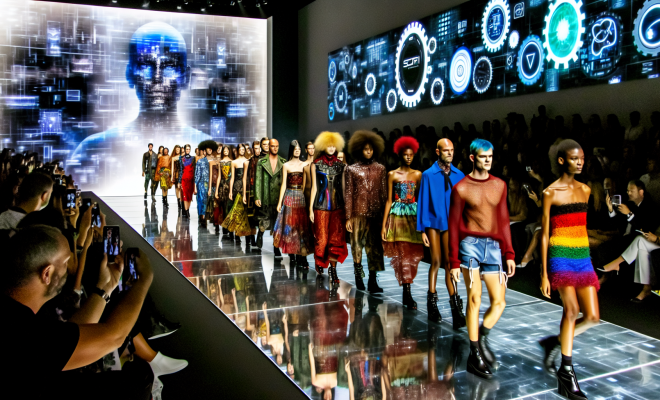
Milan Fashion Week: A Showcase of Technological Innovation
The recent Milan Fashion Week has left the fashion world buzzing with excitement as designers introduced innovative wearable technology that promises to revolutionize our relationship with clothing. Among the standout presentations were garments embedded with smart fabrics capable of regulating body temperature and monitoring vital signs, effectively merging fashion with functionality.
Collaboration Between Fashion and Tech
One of the most notable partnerships at the event was between the renowned Italian fashion house Prada and the tech startup NanoThread. This collaboration has produced a groundbreaking collection that features fabrics designed to adjust dynamically to the wearer’s body temperature while also tracking essential health metrics. This innovative approach not only enhances comfort but also elevates the role of clothing into the realm of healthcare.
Smart Fabrics: The Future of Fashion
The introduction of smart fabrics at Milan Fashion Week marks a significant milestone in the fashion industry. The smart fabric segment is projected to reach an impressive $8 billion globally by 2028. This growth is attributed to the increasing demand for clothing that offers more than just aesthetic appeal. Consumers are now seeking garments that provide practical benefits, such as temperature regulation and health monitoring.
From Runway to Real Life
The convergence of fashion and technology is not merely a trend but a pivotal shift that reflects changing consumer expectations. Luxury consumers today are increasingly interested in products that combine aesthetics with functionality. This transformation is evident in how designers are reimagining traditional clothing, integrating technology that enhances the wearer’s experience.
Applications Beyond Fashion
While the fashion industry is at the forefront of smart fabric innovation, the applications for this technology extend far beyond the runway. Industries such as healthcare and sports are already exploring the potential of these advanced materials. For instance:
- Medical Wearables: Smart fabrics can be used to create garments that monitor patients’ vital signs in real time, allowing for proactive healthcare management.
- Athletic Wear: Athletes can benefit from clothing that adjusts to their body temperature and tracks performance metrics, providing data that can enhance training regimens.
This intersection of technology and fashion not only enhances the functionality of garments but also encourages a more holistic view of clothing as a tool for well-being.
Consumer Insights: The Demand for Smart Fashion
As the market for smart fabrics expands, industry observers are noting a shift in consumer preferences. Today’s luxury shoppers are looking for products that offer both style and substance. The willingness to invest in garments that provide health benefits alongside aesthetic appeal signals a growing trend toward wellness-oriented fashion.
Challenges Ahead
Despite the promising future of tech-integrated fashion, several challenges remain for designers and manufacturers. Issues such as cost, durability, and the need for user-friendly technology integration must be addressed. For smart fabrics to become mainstream, they must not only perform well but also be affordable and easy to care for.
Conclusion: A New Era in Fashion
The innovations unveiled at Milan Fashion Week signify a new era in the fashion industry, where the boundaries between style and technology are increasingly blurred. As more designers embrace the potential of smart fabrics, we can expect to see a future where garments are not only a reflection of personal style but also essential tools for health and well-being. The evolution of wearable technology is just beginning, and the possibilities are vast, setting the stage for an exciting chapter in the world of fashion.