Stocks Decline: Oil Surges Amid Geopolitical Tensions & Trade Wars
US Markets Under Pressure
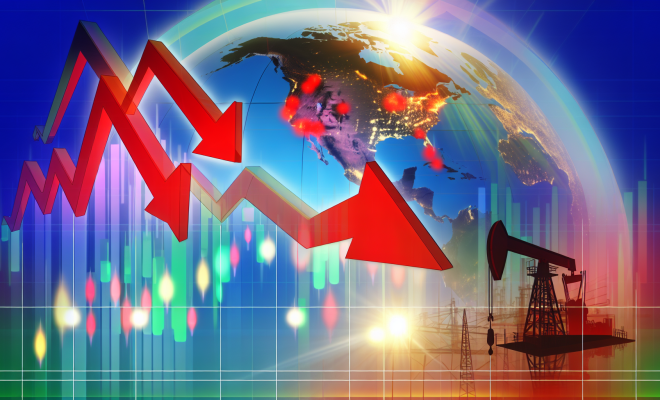
In a turbulent week for the financial markets, US equity futures have shown a downward trend as investors grapple with escalating geopolitical tensions, particularly in the Middle East. The recent surge in oil prices—briefly surpassing $100 per barrel—has raised concerns over inflation and its potential impact on global economies.
Geopolitical Developments Impacting Shipping
The situation intensified as Iran escalated its attacks on Dubai, a critical hub for international shipping routes. This disruption not only affects oil prices but also raises alarm bells about the safety and reliability of maritime logistics in the region. The increased tensions have created a ripple effect, sending shockwaves through global markets and forcing investors to reassess their strategies amid rising uncertainty.
Trade Investigations and New Tariffs
Compounding these issues, the Trump administration has initiated comprehensive trade investigations targeting both China and the European Union. This move is indicative of a broader strategy aimed at reshaping international trade relations, potentially leading to the imposition of new tariffs. Such developments have further fueled anxiety among investors, who are wary of the potential for escalating trade wars.
Financial Institutions Feeling the Heat
Major financial institutions are also feeling the impact of these market shifts. Morgan Stanley, for instance, has recently faced significant investor tender requests, amounting to $9 million. However, the firm reported that it could only return less than half of these requests. This situation underscores the growing liquidity challenges within some investment funds as market volatility continues to mount.
Record Redemption Requests
In addition to Morgan Stanley’s struggles, redemption requests from its flagship private credit fund have reached unprecedented levels, hitting a record 14%. Such high levels of redemption indicate that investors are increasingly seeking to liquidate their positions in response to current market conditions, further exacerbating the pressure on financial institutions.
The Hedge Fund Sector Faces Challenges
The hedge fund sector has not been immune to the turmoil. Recent reports indicate that hedge funds are experiencing their most significant drawdown since the infamous “Liberation Day Tariff.” This term refers to a period marked by notable market disruptions due to rapid policy changes. The current landscape is characterized by heightened volatility, prompting many hedge funds to reevaluate their risk exposure and investment strategies.
Investors’ Growing Anxiety
As geopolitical risks continue to loom large, anxiety levels among investors are rising. The persistent uncertainty surrounding trade negotiations, coupled with the instability in oil prices, has created a challenging environment for private credit funds. Investors are increasingly concerned about potential defaults and the overall health of the credit markets, leading to a cautious approach in their investment decisions.
Looking Ahead: What This Means for the Market
The confluence of rising oil prices, geopolitical tensions, and the potential for new tariffs presents a complex challenge for the financial markets. Analysts are closely monitoring the situation, as any further escalation could lead to a more pronounced impact on global economic stability.
- Oil prices: The recent surge above $100 per barrel could have significant implications for inflation and consumer spending.
- Geopolitical risks: Ongoing tensions in the Middle East may disrupt not only shipping routes but also broader economic relations.
- Investor sentiment: The rising levels of redemption requests and drawdowns in hedge funds signal a shift in investor confidence.
Conclusion
As the financial landscape continues to evolve in response to these multifaceted challenges, investors must remain vigilant and adaptable. The interplay of geopolitical developments and market dynamics will undoubtedly shape the trajectory of the economy in the coming months. With uncertainty at the forefront, financial professionals and individual investors alike will need to navigate these turbulent waters with caution and strategic foresight.