March 2026 Real Estate Market Update: A Shift Towards Balance
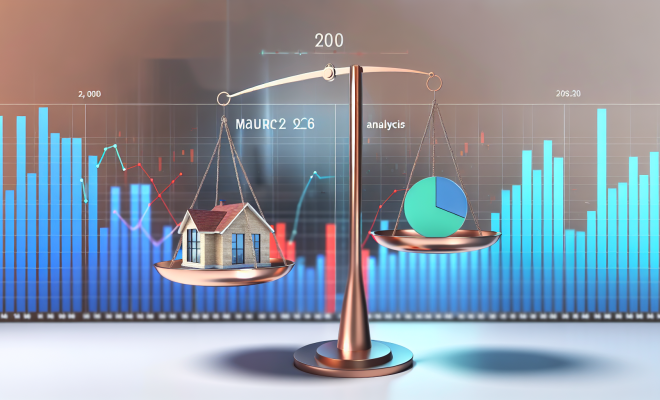
The real estate market in March 2026 is experiencing notable shifts, with a market index that has reached approximately 102, reflecting a substantial 20% increase compared to the same period last year. This rise in the index indicates a positive trajectory for the market, suggesting that both buyers and sellers are becoming more optimistic about real estate transactions.
Understanding Market Index Trends
The market index is a critical tool for assessing the overall health of the real estate sector. An index value of 102 suggests that conditions are favorable for transactions, pushing the market closer to a balanced state. This figure is especially significant as it shows sustained growth, which can be attributed to various factors, including economic recovery, increasing consumer confidence, and low-interest rates that continue to entice potential homeowners.
Inventory Levels and Buyer Choices
One of the most critical developments in the March 2026 real estate landscape is the increase in inventory, which now stands at approximately 5.5 months of supply. This inventory level indicates a shift towards a more balanced market, where buyers are presented with a wider array of options.
- Buyers’ Advantage: The increased inventory allows buyers to take their time, comparing various properties and making more informed decisions.
- A Balanced Market: A 5.5-month supply of homes represents a shift from the previously competitive market conditions, where buyers often faced bidding wars and limited choices.
- Seller Considerations: While the market is more favorable for buyers, sellers also benefit from the increased activity, as a larger pool of potential buyers can lead to competitive offers.
Implications for Buyers and Sellers
With a balanced market emerging, both buyers and sellers need to recalibrate their strategies. For buyers, the current conditions present a unique opportunity to negotiate better terms and prices. However, they must remain vigilant, as the market can shift again if demand surges unexpectedly.
Sellers, on the other hand, should take advantage of the current buyer interest while being realistic about their pricing. Homes that are properly priced and well-presented are likely to attract attention, even in a market with increased inventory.
Economic Factors Influencing the Market
The March 2026 real estate market is not operating in a vacuum; various economic factors contribute to its current state:
- Interest Rates: Low-interest rates continue to encourage home purchases, making mortgages more affordable for buyers.
- Economic Growth: The overall growth in the economy has bolstered consumer confidence, prompting many to consider homeownership as a viable option.
- Job Market Stability: A stable job market is crucial, as employment security plays a significant role in prospective buyers’ decisions to invest in real estate.
Future Projections for the Real Estate Market
Looking ahead, the market index and inventory levels suggest a sustained period of stability, but potential fluctuations remain a possibility. Experts predict that as the economy continues to recover, demand for homes may increase, particularly in desirable locations. This could lead to a tightening of inventory and a shift back to a more competitive market.
Additionally, factors such as government policies, interest rate adjustments, and demographic trends will continue to play a pivotal role in shaping the real estate landscape. It is essential for both buyers and sellers to stay informed about these changes and adjust their strategies accordingly.
Conclusion
The March 2026 real estate market update reveals a landscape that is evolving towards balance. With an index of 102 and a healthy inventory level of 5.5 months of supply, both buyers and sellers are positioned to benefit from the current conditions. As the market continues to develop, staying attuned to economic indicators and market trends will be crucial for making informed real estate decisions.