MP Police Trainees Start Day with Dakshinamurthy Shloka
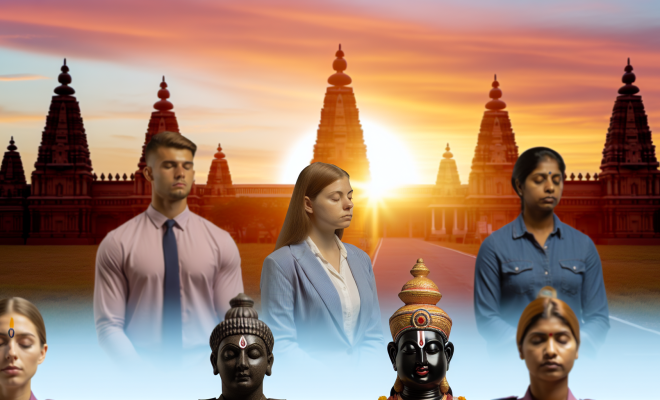
In a unique initiative aimed at blending traditional values with modern law enforcement training, trainee police officers in Madhya Pradesh are now required to begin their day by reciting the “Dakshinamurthy Shloka”. This devotional hymn, dedicated to Lord Shiva, symbolizes the essence of wisdom and learning, positioning the deity as the ultimate teacher.
Significance of the Dakshinamurthy Shloka
The Dakshinamurthy Shloka is revered in Hindu philosophy as a representation of knowledge and enlightenment. The hymn emphasizes the importance of learning and the role of a teacher in guiding students toward wisdom. By incorporating this Shloka into their daily routine, the Madhya Pradesh police trainees are not only paying homage to their cultural roots but also aiming to foster a sense of discipline and respect within the ranks of law enforcement.
A Cultural Approach to Police Training
This initiative reflects a broader trend in India where educational institutions and training programs for various professions are increasingly integrating cultural and spiritual elements. The incorporation of traditional practices into the training of police recruits serves to instill core values such as integrity, respect, and dedication—qualities that are essential for effective law enforcement.
Objectives of the Initiative
The primary objectives of mandating the recitation of the Dakshinamurthy Shloka among trainee officers include:
- Instilling Discipline: Reciting the Shloka each morning is designed to cultivate a sense of discipline and routine among the trainees.
- Cultural Awareness: This practice encourages recruits to connect with their cultural heritage, promoting a deeper understanding of the values that underpin their roles in society.
- Moral and Ethical Foundation: The Shloka serves as a reminder of the moral responsibilities that come with the power of law enforcement, urging officers to uphold justice and integrity.
Response from Trainees and Officials
The response to this initiative has been generally positive. Trainee officers have expressed appreciation for the incorporation of the Shloka into their daily routine, noting that it helps them start their day with a focused mindset. Police officials believe that this practice will not only enhance the trainees’ moral compass but also help them navigate the complex challenges they will face in their careers.
Broader Implications for Law Enforcement Training
The move to include traditional practices like the Dakshinamurthy Shloka in police training could set a precedent for other states in India, encouraging them to adopt similar initiatives. The blend of culture and law enforcement training can lead to a more holistic approach to policing, which emphasizes not just physical skills and legal knowledge, but also ethical and moral grounding.
Challenges Ahead
While the initiative has its merits, it also faces potential challenges. Critics might argue that the focus on cultural practices could distract from the practical training required for police work, such as conflict resolution, community engagement, and legal education. Striking a balance between traditional values and modern policing techniques will be essential for the success of this program.
Conclusion
The introduction of the Dakshinamurthy Shloka into the daily routine of trainee police officers in Madhya Pradesh marks a significant step toward integrating cultural values into law enforcement training. By fostering discipline and a strong moral foundation, this initiative has the potential to shape a new generation of police officers who are not only skilled in their duties but also grounded in the ethical principles that underpin their roles in society. As other states observe the outcomes of this program, it may inspire similar initiatives across the country, aiming to blend tradition with modernity in the realm of law enforcement.