Jaw-Dropping Link: Your Mouth’s Bacteria Could Be Fueling Long COVID
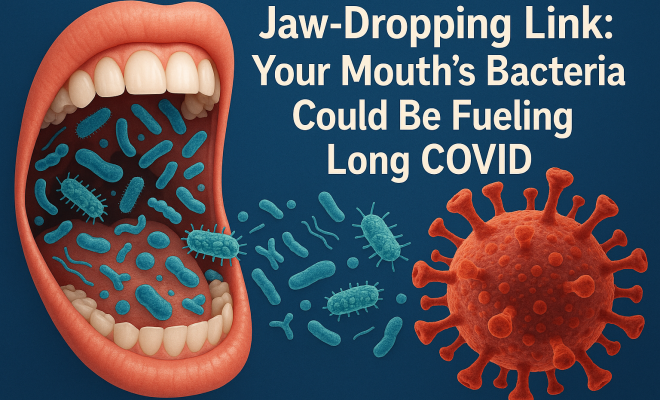
Imagine a tiny universe teeming with life right inside your mouth. We’re talking about billions of bacteria, fungi, and viruses – collectively known as the oral microbiome. For years, we’ve understood that what goes on in our mouths impacts our dental health, sure, but increasingly, science is revealing a far deeper, more intricate connection to our overall well-being. Now, a compelling new study has thrown a spotlight on this often-overlooked ecosystem, suggesting a profound oral microbiome long COVID connection that could explain some of the most baffling and persistent symptoms of post-viral syndrome.
This isn’t just about bad breath or cavities anymore. We’re talking about cognitive fog, debilitating fatigue, and persistent breathing difficulties – symptoms that have plagued millions worldwide long after the initial COVID-19 infection has faded. The research, conducted across 38 hospitals in the United Kingdom and involving a substantial cohort of 771 patients, offers a tantalizing glimpse into how disruptions in these microscopic communities might be playing a starring role in the long-term aftermath of the virus. It’s a game-changer if it leads to targeted interventions, and it certainly gives us all a new reason to pay closer attention to our oral health.
Unpacking the UK Study: A Glimpse into the Long COVID Enigma
The sheer scale of the UK study, encompassing 771 patients, is what makes its findings so compelling. These weren’t just individuals with mild, fleeting symptoms; many were grappling with severe forms of long COVID, the kind that significantly impacts daily life and quality of living. Researchers meticulously analyzed samples from their oral cavities and respiratory tracts, seeking patterns, deviations, and anomalies in the microbial populations that might correlate with their ongoing health issues. What they found was far from random.
The team discovered distinct alterations in the oral and respiratory microbiota of patients suffering from severe long COVID. Think of it like a finely tuned orchestra where certain sections are suddenly out of sync, or even entirely missing, while others are playing too loudly. These specific microbial patterns weren’t just arbitrary changes; they correlated strikingly with a range of debilitating symptoms. This isn’t a definitive cause-and-effect yet – the researchers are clear about that distinction – but it’s a powerful association that demands our attention. It paints a picture where the microscopic residents of our mouths and airways might be acting as unwitting accomplices, or even instigators, in the long-term suffering experienced by long COVID patients.
The Symptom Spectrum: Where Oral Microbiome Changes Intersect with Long COVID
One of the most frustrating aspects of long COVID is its protean nature – it manifests in myriad ways, often without clear biological markers that clinicians can easily identify. This study, however, starts to bridge that gap by linking specific microbial shifts to very real, very distressing symptoms. The altered microbiome patterns observed in the UK cohort weren’t just theoretical; they were directly associated with several key long COVID complaints that many of us now recognize:
- Breathing Problems: Persistent shortness of breath, a feeling of not being able to get enough air, or a chronic cough. This makes intuitive sense when you consider the direct connection between the oral cavity and the respiratory tract.
- Memory and Concentration Difficulties: Often referred to as ‘brain fog,’ this includes issues with recall, focus, and mental clarity. It’s one of the most debilitating cognitive symptoms, affecting work, relationships, and basic daily tasks.
- Digestive Symptoms: Ongoing gastrointestinal distress, changes in bowel habits, and discomfort. While the study focused on oral and respiratory microbiomes, the gut microbiome is intimately connected, and an imbalance in one often ripples through the others.
What’s particularly intriguing is the finding of increased inflammatory markers alongside these microbial shifts. Inflammation is a known driver of many chronic diseases, and its presence in long COVID patients is well-documented. The study specifically highlighted higher levels of lactic-acid-producing bacteria in these patients. This isn’t necessarily a ‘bad’ thing in itself – lactic acid bacteria are common, even beneficial, in many contexts. However, an overgrowth or imbalance, particularly in a system already under stress, could contribute to an inflammatory cascade that exacerbates long COVID symptoms. It suggests a complex interplay where microbial dysbiosis might be both a consequence and a perpetuator of inflammation.
The Inflammatory Link: Lactic Acid Bacteria and Systemic Impact
Let’s dive a bit deeper into those lactic-acid-producing bacteria. When we hear ‘lactic acid,’ many of us think of yogurt or fermented foods, and indeed, many strains are probiotics, beneficial to our health. But like any good ecosystem, balance is key. In the context of the oral and respiratory tracts, an overabundance of certain lactic acid producers, particularly in an environment already compromised by viral infection, can shift the delicate pH balance and potentially fuel local and even systemic inflammation.
Think about it: chronic, low-grade inflammation is like a smoldering fire in the body. It doesn’t always have obvious symptoms, but it contributes to fatigue, pain, and, crucially, can affect neurological function, which might tie into the ‘brain fog’ experienced by long COVID sufferers. The mouth, being a gateway to both the respiratory and digestive systems, is a prime location for this inflammatory spark to ignite. If the resident bacteria are producing compounds that promote inflammation, and if the body’s immune system is already on high alert from a previous viral assault, you’ve got a recipe for persistent trouble. This is why understanding the specific species and their activities within the oral microbiome long COVID connection is so vital.
Beyond Association: What This Means for Future Research and Intervention
It’s crucial to reiterate what the researchers themselves stressed: these findings show an association, not definitive proof that changes in the oral microbiome cause long COVID symptoms. This distinction is vital in scientific inquiry. It means we’ve identified a strong correlation, a pattern that consistently appears, but we haven’t yet proven the direct causal mechanism. Did the virus itself directly alter the microbiome, which then led to symptoms? Or did the severe illness and treatments indirectly affect the microbiome, which then contributed to the ongoing issues? Or is there a complex bidirectional relationship at play?
Answering these questions will be the next frontier. Future research will likely focus on longitudinal studies, tracking patients over time to see how their microbiome evolves alongside their symptoms, and perhaps even intervention studies where researchers attempt to modulate the microbiome to see if it alleviates long COVID. Imagine personalized treatments that involve specific probiotics, prebiotics, or even fecal microbiota transplants (though the latter is more often for gut issues, the principle could apply) designed to restore balance to the oral and respiratory ecosystems. This is where the real potential lies – moving from observation to tangible therapeutic strategies. (See: Nature article on oral microbiome.)
The Gut-Lung-Oral Axis: A Holistic View of Post-COVID Syndrome
While the study specifically highlighted the oral and respiratory microbiomes, it’s impossible to discuss these without acknowledging the broader ‘microbiome highway’ that connects various parts of our bodies. We often hear about the gut-brain axis, but there’s also a well-established gut-lung axis, and increasingly, an appreciation for the oral-gut and oral-lung connections. Our mouth isn’t an isolated island; it’s a bustling port connected to downstream systems.
Bacteria from the mouth can be aspirated into the lungs, influencing respiratory health. Similarly, swallowed oral bacteria travel to the gut, impacting the resident microbiota there. So, a disruption in the oral microbiome could have ripple effects throughout this interconnected network. If the oral microbiome is altered, it could potentially seed an unhealthy microbial profile in the lungs or gut, contributing to the systemic inflammation and multi-organ symptoms often seen in long COVID. This holistic perspective is critical for developing comprehensive treatment strategies for long COVID, moving beyond single-organ approaches to considering the entire microbial ecosystem. For more context, see the future of medicine.
Practical Implications: What You Can Do Now for Your Oral Microbiome
While we await definitive causal proof and specific microbiome-based treatments, the implications of this research are clear: maintaining a healthy oral microbiome is more important than ever, especially for those navigating the aftermath of COVID-19. So, what can you do?
First and foremost, don’t neglect the basics of oral hygiene. Brushing twice a day, flossing daily, and regular dental check-ups are foundational. But let’s go a bit further. Consider incorporating these practices:
- Dietary Choices: A balanced diet rich in whole foods, fiber, and diverse plant matter supports a healthy microbiome throughout your body, including your mouth. Reduce processed foods, excessive sugars, and refined carbohydrates, which can feed problematic bacteria.
- Hydration: Drinking plenty of water helps maintain saliva production, which is crucial for washing away food particles and neutralizing acids, thereby supporting a balanced oral environment.
- Probiotics (with caution): While general probiotics are often geared towards gut health, some specific oral probiotic strains are emerging. Discuss with your doctor or dentist if these might be beneficial for you, especially if you’ve experienced recurrent oral issues or are concerned about long COVID symptoms.
- Stress Management: Chronic stress can impact your immune system and, by extension, your microbiome. Practices like mindfulness, exercise, and adequate sleep are beneficial for overall health and can indirectly support a healthier microbial balance.
- Avoid Overuse of Antiseptic Mouthwashes: While helpful for acute infections, daily use of strong antiseptic mouthwashes can be like a scorched-earth policy, killing off beneficial bacteria along with the problematic ones. Opt for milder, alcohol-free options or reserve stronger ones for specific, short-term needs as advised by your dentist.
Remember, these are general wellness strategies. If you’re experiencing long COVID symptoms, always consult with a healthcare professional. This information is meant to empower you with knowledge, not replace medical advice.
The Future Landscape: From Diagnostics to Personalized Medicine
The potential for these findings to reshape the future of long COVID diagnosis and treatment is immense. Imagine a day when a simple oral swab could help predict a patient’s risk for developing severe long COVID, or even guide personalized treatment plans. That’s the promise of microbiome research.
If we can identify specific microbial signatures associated with different long COVID symptom clusters, it opens the door for highly targeted interventions. This isn’t just about ‘a’ probiotic; it’s about ‘the right’ probiotic, or ‘the right’ combination of prebiotics and dietary changes, tailored to an individual’s unique microbial profile. This move towards personalized medicine, guided by detailed microbiome analysis, represents a significant leap forward from the current trial-and-error approach that many long COVID patients unfortunately face.
Think about the economic implications too. The study’s context points towards monetization through health insurance, telehealth services, advanced diagnostic testing, and evidence-based long COVID treatment content. This isn’t just academic; it’s a burgeoning field with real-world applications and significant investment potential.
Addressing the Persistent COVID Concerns: A New Piece of the Puzzle
The pandemic may have receded from daily headlines, but for millions, the struggle with long COVID is a very real, ongoing crisis. The persistent nature of symptoms like fatigue, cognitive dysfunction, and respiratory issues has left many feeling isolated and misunderstood. This research, by offering a tangible biological link to these invisible illnesses, provides a new layer of validation and hope.
Understanding the oral microbiome long COVID connection adds a crucial piece to the complex puzzle of post-COVID syndrome. It moves us beyond simply managing symptoms to potentially addressing underlying biological mechanisms. For patients, this means the possibility of more effective, perhaps even curative, treatments on the horizon. For researchers, it opens up entirely new avenues of inquiry, challenging us to look beyond the obvious and explore the intricate, often hidden, ecosystems that govern our health.
This evolving understanding underscores the importance of a holistic view of health, where the tiny inhabitants of our bodies play a far greater role than we once imagined. The journey from initial viral infection to persistent long COVID is clearly multifaceted, but by shining a light on the oral microbiome, we’re taking a significant step towards unravelling one of its most perplexing mysteries. (See: CDC on long COVID symptoms.)
Expert Perspectives: Insights from Leading Microbiome Researchers
To truly grasp the significance of the oral microbiome long COVID connection, it helps to hear from the experts who are at the forefront of this research. Dr. Martin J. Blaser, a prominent figure in microbiome science and author of “Missing Microbes,” often emphasizes how modern life, including antibiotic overuse and Western diets, has dramatically altered our microbial ecosystems, potentially leaving us more vulnerable to chronic conditions. He’d likely point to COVID-19 as another significant disruptor, highlighting how viral infections can profoundly shift the delicate balance that has evolved over millennia.
Similarly, Dr. Emeran Mayer, a gastroenterologist and neuroscientist known for his work on the gut-brain axis, would likely expand on the concept of interconnectedness. He’d argue that while the study focuses on the oral microbiome, the downstream effects on the gut and brain are almost inevitable. An inflammatory signal originating in the mouth, perpetuated by dysbiosis, doesn’t just stay in the mouth; it can travel through the bloodstream, influence immune responses systemically, and even impact neurological pathways, offering a compelling explanation for the ‘brain fog’ and fatigue. These experts would stress that the oral microbiome isn’t just a local player but a crucial component of our entire physiological network, deeply intertwined with our immune system and overall resilience. For more context, see AI's medical revolution.
Another perspective comes from infectious disease specialists like Dr. Anthony Fauci, who, though not a microbiome expert, would likely advocate for continued rigorous scientific investigation. He would emphasize the need for large-scale, multidisciplinary studies to move from association to causation and to develop evidence-based treatments. The complexity of long COVID means no single answer will suffice, and integrating microbiome science into broader immunological and virological research is essential.
Comparative Analysis: How Oral Microbiome Changes Compare to Other Post-Viral Syndromes
It’s important to consider whether this oral microbiome long COVID connection is unique to SARS-CoV-2 or if similar microbial shifts are observed in other post-viral syndromes. The truth is, research into the microbiome’s role in chronic fatigue syndrome (CFS/ME) and other post-infectious conditions has been ongoing for some time, often revealing similar patterns of dysbiosis and inflammation.
For instance, studies on CFS/ME patients have frequently identified alterations in gut microbiota composition, often characterized by reduced diversity and an increase in pro-inflammatory species. While the oral microbiome hasn’t been as extensively studied in CFS/ME, the parallels are striking. Many of these conditions share core symptoms with long COVID, such as debilitating fatigue, cognitive dysfunction, and widespread pain, all of which are linked to chronic inflammation.
This suggests that while the trigger (COVID-19) might be new, the body’s generalized response to severe viral insult, including subsequent microbiome disruption and persistent inflammation, might be a common pathway for post-viral syndromes. The specific microbial signatures might differ slightly depending on the initial virus and individual host factors, but the underlying principle of dysbiosis contributing to chronic symptoms appears to be a recurring theme. This broader context reinforces the importance of the UK study’s findings, indicating that it might offer insights not just into long COVID but into a whole class of debilitating post-infectious illnesses.
The Role of Biofilms: A Deeper Look at Oral Microbial Communities
When we talk about the oral microbiome, we’re not just talking about free-floating bacteria. A significant portion of these microbes exist within complex structures called biofilms. Dental plaque, for example, is a classic oral biofilm. These biofilms are incredibly resilient, with bacteria encased in a self-produced matrix of extracellular polymeric substances, making them highly resistant to antibiotics and immune responses.
In the context of the oral microbiome long COVID connection, the presence of altered or pathogenic biofilms could be particularly significant. If certain lactic-acid-producing bacteria, identified in the study, form robust biofilms within the oral cavity or even extend into the respiratory tract, they could create persistent foci of inflammation. These biofilms could continuously release inflammatory mediators, stimulating the immune system long after the initial viral threat has passed. Moreover, they can protect commensal or opportunistic pathogens, allowing them to thrive and contribute to chronic conditions.
Understanding the biofilm dynamics in long COVID patients might open new therapeutic avenues. Rather than just targeting individual bacteria, interventions could focus on disrupting these persistent microbial communities, perhaps using novel enzymes, anti-biofilm agents, or even mechanical debridement in conjunction with targeted antimicrobial or probiotic approaches. This layer of complexity highlights that managing the oral microbiome isn’t just about bacterial counts, but also about their structural organization and behavior. For more context, see viral narratives. (See: AP News on long COVID research.)
Frequently Asked Questions About the Oral Microbiome and Long COVID
Q1: What exactly is the oral microbiome?
A: The oral microbiome is the collection of all microorganisms – bacteria, fungi, viruses, and archaea – that live in your mouth. It’s a complex ecosystem with billions of individual microbes, playing a crucial role in both oral and systemic health. When balanced, it helps protect against pathogens, aids digestion, and contributes to immune regulation. When out of balance, it can lead to dental issues and potentially contribute to wider health problems, as seen with long COVID.
Q2: How could a change in mouth bacteria affect my whole body, especially with long COVID?
A: Your mouth isn’t isolated. It’s a gateway to your respiratory and digestive systems. Bacteria from your mouth can be swallowed into your gut or aspirated into your lungs. If your oral microbiome is imbalanced (dysbiosis), these altered microbial populations can travel, leading to inflammation in other parts of the body. This systemic inflammation is a key driver of many long COVID symptoms like fatigue and brain fog. The study suggests certain bacterial changes, like an increase in lactic-acid-producing bacteria, might be linked to this inflammatory cascade.
Q3: Does this mean poor oral hygiene causes long COVID?
A: Not directly. The study shows an association, meaning people with long COVID tend to have certain changes in their oral microbiome. It doesn’t definitively prove that poor oral hygiene *causes* long COVID. However, maintaining good oral hygiene is a foundational step to support a healthy oral microbiome, which in turn contributes to overall health and resilience. A healthy microbiome might make you less susceptible to severe or prolonged post-viral symptoms, but more research is needed to confirm a causal link.
Q4: Can probiotics help with the oral microbiome and long COVID?
A: Potentially, yes, but it’s not a simple answer. While gut probiotics are common, specific oral probiotic strains are being developed and studied. The goal would be to introduce beneficial bacteria to rebalance the oral ecosystem. However, it’s crucial to consult with a healthcare professional (doctor or dentist) before starting any probiotic regimen, especially if you have long COVID. They can help determine if it’s appropriate for your specific situation and recommend suitable strains.
Q5: If I had COVID-19, should I be worried about my oral microbiome?
A: It’s good to be aware. Many people recover from COVID-19 without developing long COVID. However, if you’re experiencing persistent symptoms, this research suggests your oral microbiome could be a contributing factor. Paying attention to your oral health – brushing, flossing, eating a balanced diet, and staying hydrated – is always a good idea. If you have long COVID, discuss these findings with your doctor, as it might open up new avenues for personalized care.
Q6: What specific long COVID symptoms are linked to oral microbiome changes?
A: The UK study found correlations between altered oral and respiratory microbiomes and symptoms such as persistent breathing problems (shortness of breath, chronic cough), memory and concentration difficulties (brain fog), and digestive symptoms. The presence of increased inflammatory markers alongside these microbial shifts suggests a systemic impact on various body systems.
Q7: What’s the difference between an “association” and “causation” in this research?
A: An “association” means that two things tend to occur together – in this case, specific oral microbiome changes and long COVID symptoms. It’s a strong correlation. “Causation,” however, means that one thing directly leads to another. While the study shows a powerful association, it doesn’t definitively prove that the microbiome changes *cause* long COVID. It’s possible the virus itself or the severity of the illness impacts the microbiome, which then contributes to symptoms, or there’s a complex two-way street. Future studies will aim to establish causation.
Trending Now
Frequently Asked Questions
How does oral microbiome affect long COVID symptoms?
Recent research suggests that disruptions in the oral microbiome may contribute to long COVID symptoms like cognitive fog, fatigue, and breathing difficulties. The study analyzed the oral and respiratory microbiota of patients and found distinct alterations linked to their ongoing health issues.
What is the connection between oral health and overall well-being?
The oral microbiome, which consists of billions of bacteria and other microorganisms, plays a crucial role in overall health. Emerging science indicates that oral health may influence not just dental issues but also systemic conditions, including potential impacts on long COVID symptoms.
What were the findings of the UK study on long COVID?
The UK study involved 771 patients and revealed significant alterations in the oral and respiratory microbiota of those suffering from severe long COVID. These findings suggest a potential link between oral bacteria and persistent symptoms experienced after COVID-19 infection.
Can improving oral hygiene help with long COVID symptoms?
While more research is needed, the findings suggest that maintaining good oral hygiene could be beneficial. Since the study indicates a connection between oral microbiome health and long COVID symptoms, improving oral care may help mitigate some of these persistent issues.
What are common symptoms of long COVID?
Common symptoms of long COVID include cognitive fog, debilitating fatigue, persistent breathing difficulties, and other health issues that can last long after the initial COVID-19 infection. Understanding these symptoms is crucial for effective management and treatment.
What's your take on this? Share your thoughts in the comments below — we read every one.