Critical Zero-Day: Adobe Acrobat & Reader Vulnerability Patched
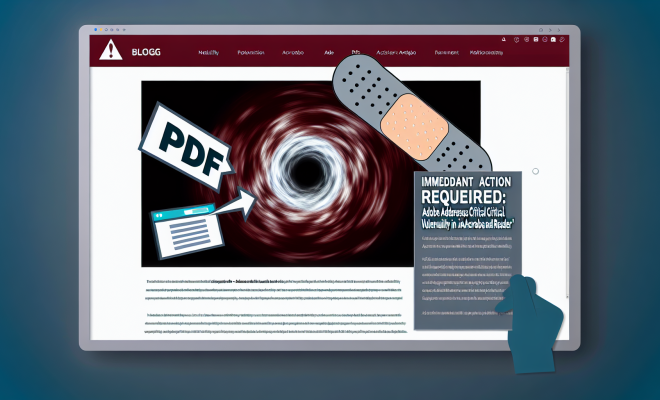
In a significant move to enhance cybersecurity, Adobe has released emergency patches for a critical zero-day vulnerability, identified as CVE-2026-34621, affecting its popular applications, Acrobat and Reader. This vulnerability has reportedly been exploited in the wild for several months, raising alarms among cybersecurity professionals and organizations worldwide.
The Nature of the Vulnerability
The CVE-2026-34621 flaw is categorized as a critical zero-day vulnerability, meaning it was known to attackers before a patch was made available. This particular vulnerability allows malicious actors to compromise systems by embedding harmful code within PDF files. Given the widespread use of PDFs in business and personal communications, the potential for exploitation was alarmingly high.
How Attackers Exploited the Flaw
For months, attackers have been able to leverage this vulnerability to execute arbitrary code on victim systems. The method typically involves sending carefully crafted PDF documents that, once opened, can trigger the vulnerability. This could lead to unauthorized access to sensitive information, installation of malware, or even full system compromise.
Adobe’s Response
Upon discovering the ongoing exploitation of CVE-2026-34621, Adobe acted swiftly to develop and release patches for both Acrobat and Reader. In their advisory, Adobe emphasized the importance of applying these updates immediately to protect against potential attacks. The company has a history of responding promptly to vulnerabilities, but the duration of this exploitation period has raised concerns about the effectiveness of existing security measures and user awareness.
Why Timely Updates Are Crucial
- Prevention of Exploitation: Regular updates help close vulnerabilities before they can be exploited.
- Data Protection: Applying patches protects sensitive data from being accessed or compromised.
- System Integrity: Keeping software up to date ensures systems remain secure and functional.
Organizations are strongly advised to implement an update strategy that includes monitoring for vulnerabilities and promptly applying security patches. In the case of CVE-2026-34621, the stakes are particularly high considering the widespread use of Adobe products in various sectors.
Broader Implications for Cybersecurity
The existence of this zero-day vulnerability underscores the ongoing challenges organizations face in the realm of cybersecurity. Even with robust security protocols in place, the exploitation of such vulnerabilities can lead to significant breaches and data loss. The fact that this particular flaw was exploited for several months before a patch was issued raises questions about the detection capabilities of current security measures.
Lessons Learned and Moving Forward
Cybersecurity experts emphasize the need for organizations to adopt a proactive approach to vulnerability management. This includes:
- Regular Security Audits: Conducting routine assessments can help identify potential vulnerabilities before they are exploited.
- Employee Training: Ensuring that employees are aware of the risks associated with opening unsolicited PDF documents can reduce the likelihood of successful attacks.
- Incident Response Plans: Having a plan in place to respond promptly to security incidents can mitigate damage in the event of a breach.
Conclusion
As digital threats continue to evolve, organizations must remain vigilant in their cybersecurity efforts. The recent exploitation of CVE-2026-34621 serves as a reminder of the persistent risks associated with widely used software. By applying the necessary patches and adopting a comprehensive cybersecurity strategy, organizations can better protect themselves from similar vulnerabilities in the future.
In summary, the Adobe patches for CVE-2026-34621 are a crucial step in safeguarding against ongoing threats. Organizations that utilize Acrobat and Reader should prioritize these updates and remain alert to potential vulnerabilities to maintain a secure operating environment.