IEA: Iran Conflict Sparks ‘Largest Energy Security Threat in History’ 2026
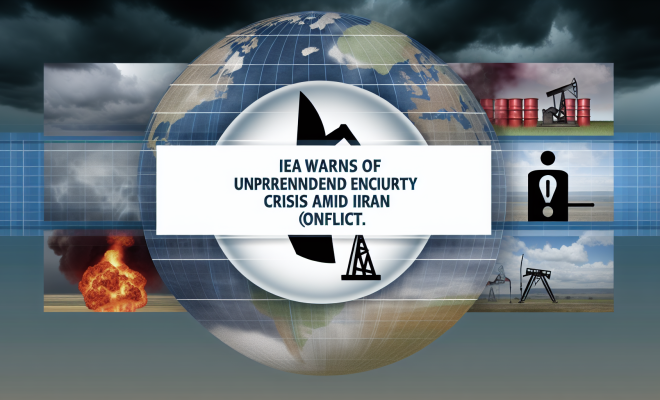
The global energy landscape is facing an unprecedented crisis, as highlighted by Fatih Birol, Executive Director of the International Energy Agency (IEA). The ongoing conflict involving Iran and the blockade of the Strait of Hormuz are leading to what Birol describes as the “largest energy security threat in history,” which is poised to push oil prices to new heights.
Impact of the Iran Conflict on Oil Supplies
The conflict in Iran has triggered significant disruptions in oil supplies, with April 2026 marking a critical turning point. Reports indicate that no new energy shipments were loaded during this month, raising alarm bells across the global market. The fallout from the conflict has resulted in a staggering loss of approximately 13 million barrels per day of oil, alongside a significant reduction in gas supplies due to the ongoing war in Ukraine.
Infrastructure Damage and Long-Term Consequences
As the crisis escalates, the damage to energy infrastructure has been severe. Over a third of the more than 80 affected facilities are reported to be in a condition that is deemed severely damaged. Experts estimate that repairs could take up to two years, creating a prolonged period of instability in the energy market.
In addition to the physical damage, the crisis has led to a notable decline in output from the Organization of the Petroleum Exporting Countries (OPEC). In March, OPEC’s oil production fell to 20.79 million barrels per day, down from 7.89 million barrels in previous periods. This decline highlights the ripple effects of geopolitical tensions on global energy supplies.
Escalating Geopolitical Tensions
The situation has been exacerbated by a series of military actions, particularly between the United States and Israel against Iranian targets. Since February 28, these strikes have prompted Iran to retaliate, further escalating hostilities in the region. The failed truce talks have left the situation more precarious, leading to a U.S. naval blockade aimed at containing Iranian military responses.
Economic Ramifications and International Aid Offers
The economic ramifications of this crisis are profound, with oil prices already on the rise due to fears of supply shortages. To mitigate some of the fallout from the conflict, the World Bank has stepped in, offering up to $60 billion in aid contingent upon the continuation of hostilities. This financial support aims to help countries most affected by the energy crisis cope with rising costs and supply disruptions.
The geopolitical landscape remains volatile, and the potential for further escalation looms large. As energy security becomes a pressing concern for nations around the world, leaders are faced with the daunting task of navigating these tumultuous waters while seeking to ensure stable energy supplies for their populations.
Global Reactions and Future Outlook
Countries around the globe are closely monitoring the situation, with many assessing their energy policies in light of these developments. The crisis has sparked discussions about diversifying energy sources and reducing dependence on oil imports from conflict-prone regions.
In the short term, analysts predict that oil prices will continue to rise as the conflict in Iran shows no signs of abating. This could lead to increased costs for consumers and businesses alike, impacting everything from transportation to manufacturing. As a result, nations may be compelled to expedite investments in renewable energy technologies and alternative fuels to enhance their energy independence.
Conclusion
The current energy crisis serves as a stark reminder of the interconnectedness of global politics and energy security. The situation in Iran, coupled with ongoing geopolitical tensions, underscores the need for a coordinated international response to ensure stability in energy markets. As the world grapples with these challenges, the path forward will require innovation, resilience, and a commitment to transitioning towards a more sustainable energy future.