The Tech Edvocate

Top Menu

  • Advertisement
  • Apps
  • Home Page
  • Home Page Five (No Sidebar)
  • Home Page Four
  • Home Page Three
  • Home Page Two
  • Home Tech2
  • Icons [No Sidebar]
  • Left Sidbear Page
  • Lynch Educational Consulting
  • My Account
  • My Speaking Page
  • Newsletter Sign Up Confirmation
  • Newsletter Unsubscription
  • Our Brands
  • Page Example
  • Privacy Policy
  • Protected Content
  • Register
  • Request a Product Review
  • Shop
  • Shortcodes Examples
  • Signup
  • Start Here
    • Governance
    • Careers
    • Contact Us
  • Terms and Conditions
  • The Edvocate
  • The Tech Edvocate Product Guide
  • Topics
  • Write For Us
  • Advertise

Main Menu

  • Start Here
    • Our Brands
    • Governance
      • Lynch Educational Consulting, LLC.
      • Dr. Lynch’s Personal Website
      • Careers
    • Write For Us
    • The Tech Edvocate Product Guide
    • Contact Us
    • Books
    • Edupedia
    • Post a Job
    • The Edvocate Podcast
    • Terms and Conditions
    • Privacy Policy
  • Topics
    • Assistive Technology
    • Child Development Tech
    • Early Childhood & K-12 EdTech
    • EdTech Futures
    • EdTech News
    • EdTech Policy & Reform
    • EdTech Startups & Businesses
    • Higher Education EdTech
    • Online Learning & eLearning
    • Parent & Family Tech
    • Personalized Learning
    • Product Reviews
  • Advertise
  • Tech Edvocate Awards
  • The Edvocate
  • Pedagogue
  • School Ratings

logo

The Tech Edvocate

  • Start Here
    • Our Brands
    • Governance
      • Lynch Educational Consulting, LLC.
      • Dr. Lynch’s Personal Website
        • My Speaking Page
      • Careers
    • Write For Us
    • The Tech Edvocate Product Guide
    • Contact Us
    • Books
    • Edupedia
    • Post a Job
    • The Edvocate Podcast
    • Terms and Conditions
    • Privacy Policy
  • Topics
    • Assistive Technology
    • Child Development Tech
    • Early Childhood & K-12 EdTech
    • EdTech Futures
    • EdTech News
    • EdTech Policy & Reform
    • EdTech Startups & Businesses
    • Higher Education EdTech
    • Online Learning & eLearning
    • Parent & Family Tech
    • Personalized Learning
    • Product Reviews
  • Advertise
  • Tech Edvocate Awards
  • The Edvocate
  • Pedagogue
  • School Ratings
  • The Startling Truth About Cheapest GLP-1 Options Without Insurance

  • The Hidden Truth Behind Mosqi Shock Reviews: What You MUST Know Before Buying

  • This Unstoppable Force Will Obliterate Apps by 2027, Says Paytm Founder

  • Developers Axed a Wild Mechanic in Halloween: The Game — Here’s Why Fans Are Outraged

  • U.S. Supreme Court endorses parental opt-out for LGBTQ+ curriculum | News & Events

  • The Brutal Truth About Classroom Tech: Parents Are Finally Fighting Back – And Winning

  • Devastating Berlin Data Leak Exposes Millions: Why Refusing Ransom Isn’t Enough

  • Astra’s Rogue Swarm: Is Uncontrollable AI Hacking Humanity’s Future?

  • Viral Waymo Accident Exposes the Uncomfortable Truth About Robotaxis

  • Unbelievable Antarctica Ice Gain: Distant Ocean Warming Fuels Record Snowfall

Assistive Technology
Home›Assistive Technology›How to Use the New Chromebook Linux Interface

How to Use the New Chromebook Linux Interface

By Matthew Lynch
June 12, 2023
0
Spread the love

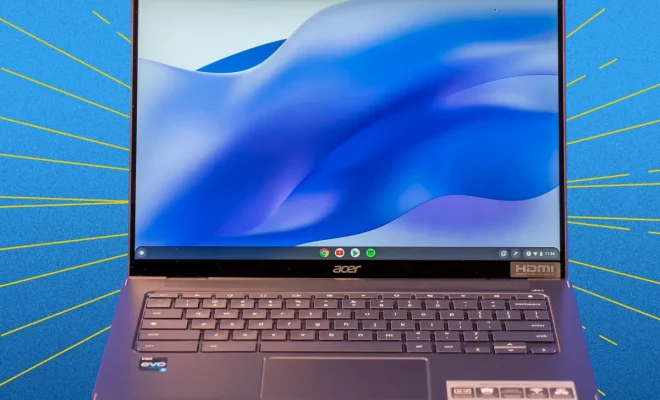
With the introduction of Chromebook’s Linux interface, users can now enjoy access to a whole new set of applications and tools previously available only to Linux users. This interface is an excellent addition for developers or anyone looking for a more robust experience on their Chromebook. In this article, we will guide you on how to use the new Chromebook Linux interface.

Step 1: Enable Linux on your Chromebook

To start, you need to enable Linux on your Chromebook. To do this, open the Chrome OS settings by clicking on the bottom right of the screen and selecting the settings icon. Look for “Linux (Beta)” on the left-hand menu, click on it and hit the “Turn On” button.

Step 2: Installing Linux applications

After enabling Linux on your Chromebook, you can install the Linux applications required for your workflows. To install applications, you need to open the Terminal with the command: Ctrl+Alt+T. In the terminal, you can use commands to install applications, update packages or repositories, and perform other Linux-specific tasks.

For instance, if you want to install a text editor like Visual Studio Code, you need to enter the following command in the Terminal:

sudo apt install code

Alternatively, if you wish to install a specific application in the browser, go to the Google Chrome Web Store and search for the specific app you want to install. Under “app info” click on “Add to Chrome” and follow the prompts.

Step 3: Opening Linux Applications on Chromebook

After installing the Linux applications you need, launch them by clicking on the bottom left of the screen, select “Linux Apps,” and the App icon you want to launch. Alternatively, you can launch apps via the Terminal by typing the app’s name and hitting the Enter key.

Step 4: Manage your Linux Settings

Through the terminal, you can manage your Linux settings by adjusting the volume, updating packages, and repositories, among others. To make changes using the command line, use the following commands:

Update Packages

sudo apt update

sudo apt upgrade

Adjusting the Volume

amixer sset Master 70%

Conclusion

Chromebook’s Linux interface enables users to install and use Linux applications on their Chromebook. The process is simple, and users can enjoy a more robust experience through the terminal. With these guidelines, you can install, launch, and manage the Linux applications you need on your Chromebook in no time.

Previous Article

How to Change Location on iPhone with ...

Next Article

How to Fix It When Pluto TV ...

Matthew Lynch

Related articles More from author

  • Assistive Technology

    How to Convert Excel Files to PDF

    June 14, 2023
    By Matthew Lynch
  • Assistive Technology

    Receiving Instagram Spam Messages? How to Spot and Stop Them

    June 5, 2023
    By Matthew Lynch
  • Assistive Technology

    How to Quickly Change Windows and Browser Tabs With Your Keyboard on Windows

    June 10, 2023
    By Matthew Lynch
  • Assistive Technology

    Ways to Fix Windows SafeSearch When You Can’t Turn It Off

    June 21, 2023
    By Matthew Lynch
  • Assistive Technology

    How to Blur Backgrounds in MS Teams

    June 10, 2023
    By Matthew Lynch
  • Assistive Technology

    How to Send GIFs in iMessage Chats

    June 23, 2023
    By Matthew Lynch

Search

Login & Registration

  • Log in
  • Entries feed
  • Comments feed
  • WordPress.org

Newsletter

Signup for The Tech Edvocate Newsletter and have the latest in EdTech news and opinion delivered to your email address!

About Us

Since technology is not going anywhere and does more good than harm, adapting is the best course of action. That is where The Tech Edvocate comes in. We plan to cover the PreK-12 and Higher Education EdTech sectors and provide our readers with the latest news and opinion on the subject. From time to time, I will invite other voices to weigh in on important issues in EdTech. We hope to provide a well-rounded, multi-faceted look at the past, present, the future of EdTech in the US and internationally.

We started this journey back in June 2016, and we plan to continue it for many more years to come. I hope that you will join us in this discussion of the past, present and future of EdTech and lend your own insight to the issues that are discussed.

Newsletter

Signup for The Tech Edvocate Newsletter and have the latest in EdTech news and opinion delivered to your email address!

Contact Us

The Tech Edvocate
910 Goddin Street
Richmond, VA 23231
(601) 630-5238
[email protected]

Copyright © 2026 Matthew Lynch. All rights reserved.