9 Expert Bookshelf Styling Tips to Transform Your Space
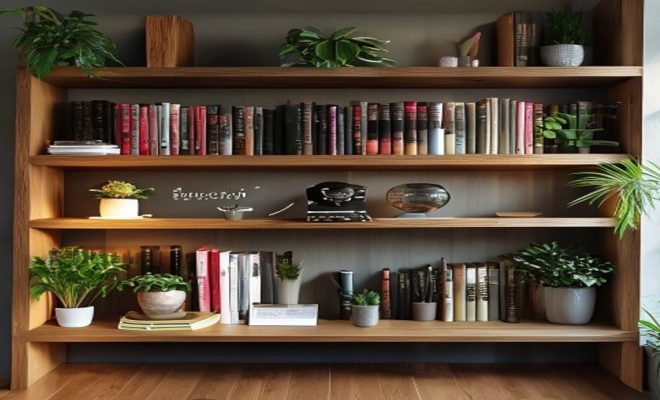
Bookshelves are more than just functional storage units; they’re an opportunity to express your personality and creativity. Whether you’re an avid reader, a decor enthusiast, or someone looking to spruce up their living space, understanding how to style your bookshelf can transform not just the room, but also the way you perceive your collection of books and artifacts. In this article, we’ll explore nine essential bookshelf styling tips that will help you create an aesthetically pleasing and organized display.
1. Assess Your Space
Before diving into the world of bookshelf styling, take a moment to assess your space. Consider the size and shape of your bookshelf, the surrounding decor, and the room’s overall vibe. Is it a cozy nook filled with soft lighting, or a modern space with clean lines? Understanding these variables will help you decide how to approach your styling.
Additionally, think about the purpose of your bookshelf. Do you want it to be purely decorative, or will it serve as a functional storage solution for your collection? This clarity will guide your decision-making process as you select books, decorations, and organizational tools.
2. Choose a Theme or Color Palette
One of the most effective bookshelf styling tips is to establish a theme or a color palette. This could be based on colors that complement the existing decor of the room, or it could reflect your personality. For instance, if you prefer a minimalist aesthetic, a palette of blacks, whites, and grays might suit your style. Alternatively, for a bohemian look, consider mixing warm earth tones and vibrant colors.
Once you’ve selected a theme, it’s essential to stick to it as you curate your shelf. This will create a cohesive look that draws the eye. You can achieve this through the use of book covers, decorative boxes, or even the types of ornaments you choose to display alongside your books.
3. Mix Heights and Textures
When styling your bookshelf, variety is key. Mixing heights and textures adds depth and visual interest to your display. Instead of lining up all your books in a uniform manner, alternate between stacking some horizontally and displaying others vertically. You can even use decorative items like small plants, sculptures, or photo frames to break up the monotony.
Textures can also play a significant role. Consider incorporating materials like wood, metal, glass, or fabric into your bookshelf. A woven basket can provide a warm touch, while a sleek metal sculpture can introduce a modern edge. The combination of different textures can make your bookshelf feel more dynamic and inviting.
4. Incorporate Personal Elements
Your bookshelf should reflect who you are, so don’t shy away from including personal elements. This might be a framed photo from your travels, a souvenir from a memorable trip, or even artwork that resonates with you. These items will not only add character to your bookshelf, but they will also serve as conversation starters.
When incorporating personal elements, be mindful of how they interact with your books. You want to ensure that the personal items enhance rather than overshadow your collection. A well-placed photo frame beside a stack of books can create an engaging focal point.
5. Utilize Vertical and Horizontal Space
Bookshelves come in various sizes, and to make the most of your space, you’ll want to think vertically as well as horizontally. Use the height of your bookshelf by placing taller items, like vases or art pieces, on the top shelves while reserving the middle shelves for your most frequently accessed books.
Horizontal space is equally important. Consider stacking some books at an angle, which can add a touch of style and make accessing your favorites easier. You can also use this technique to create a visual break in the arrangement, allowing the eye to move smoothly across the shelf.
6. Embrace Negative Space
One common mistake in bookshelf styling is overcrowding. It’s essential to embrace negative space — the empty areas that allow your items to breathe. Too many items can create a chaotic look, detracting from the beauty of your books and decor. (See: Interior design principles.)
When styling, leave some shelves or areas intentionally empty. This not only provides visual relief but also gives your bookshelf a more polished and intentional appearance. Remember, sometimes less truly is more.
7. Switch It Up Seasonally
Styling your bookshelf shouldn’t be a one-time endeavor; consider switching it up seasonally. This keeps your space feeling fresh and allows you to showcase different aspects of your collection. For example, in the fall, you might incorporate autumnal decor like small pumpkins or warm-toned books, while summer could see lighter fabrics and beach reads.
Seasonal styling also provides an opportunity to rotate your books. By displaying different books throughout the year, you’ll not only keep your shelf looking new but also encourage you to revisit titles you may have overlooked.
8. Use Lighting to Enhance Your Display
Lighting can make a world of difference when it comes to bookshelf styling. Proper lighting can highlight your favorite books and decor, creating an inviting atmosphere. If your bookshelf is in a dimly lit area, consider adding a small lamp or LED strip lights. These can illuminate the shelves, making it easier to find your favorite reads while adding a cozy touch.
Remember, lighting isn’t just about function; it’s also about mood. A well-lit bookshelf invites exploration. You might even find that the books you display in good lighting draw more interest from guests, encouraging them to browse and engage with your collection.
9. Keep It Organized
Last but certainly not least among our bookshelf styling tips is organization. Bookshelves can quickly become cluttered if not regularly maintained. Develop a system for organizing your collection — whether that’s by genre, color, or author. An organized shelf not only looks appealing but makes it easier for you to find and enjoy your books.
Consider using bookends to keep your books upright and tidy, and utilize decorative boxes or baskets to store small items that might otherwise create a mess. Regularly reassessing and reorganizing your bookshelf will ensure it remains a beautiful and functional part of your space.
10. Incorporate Greenery
Adding plants to your bookshelf can bring life and freshness to your display. Indoor plants like succulents, ferns, or even small potted flowers can create a lively contrast against the hardback covers of your books. Not only do they add an alluring aesthetic, but they also improve air quality and contribute to a calming atmosphere.
When choosing plants, select ones that will thrive in the lighting conditions of your bookshelf. For example, if your shelf is in a bright area, opt for sun-loving plants like succulents. In shadier spots, you might consider lower light plants like snake plants or pothos. Use unique planters that can also serve as decorative pieces, playing into your chosen theme or color palette.
11. Use Decorative Accessories Wisely
Decorative accessories can elevate the styling of your bookshelf. These can include vases, sculptures, or themed decor that resonates with your interests. For example, a vintage globe could complement a travel-themed bookshelf, while a simple ceramic vase can enhance a minimalist setup. Just like with personal items, ensure these accessories don’t overshadow your books.
One effective method is to cluster decorative items together on one side of the shelf while keeping the other side filled with books. This creates balance and visual interest. You can also layer your items by placing smaller accessories in front of larger ones, creating depth and layers that draw the eye in.
12. Functional Items Can Be Decorative
Functionality doesn’t have to be dull. Items like stylish magazine holders or decorative boxes can keep your space organized while also enhancing the overall look. Choose storage options that align with your theme; for instance, woven baskets can add warmth to a rustic-themed bookshelf, while sleek metallic boxes might suit a modern design.
Utilizing functional items in your decorating strategy allows you to maintain a tidy appearance without compromising aesthetic appeal. This can be especially helpful if your bookshelf serves a dual purpose — like a workspace or a place for displaying family photos alongside your book collection. (See: Bookshelves as decorative elements.)
13. Bookshelf Styling on a Budget
You don’t need to spend a fortune to create a beautifully styled bookshelf. Thrift stores and flea markets can be treasure troves for unique decorative items and books. Look for interesting book covers or artifacts that tell a story. Sometimes a fresh coat of paint on an old shelf can transform your space without breaking the bank.
Another budget-friendly tip is to DIY some of your decor items. For instance, create your own bookends using bricks and paint them to match your theme, or repurpose old jars as plant holders. With a little creativity, you can achieve a stylish look that’s personal and inexpensive.
14. Common Mistakes to Avoid
Even with the best intentions, it’s easy to make mistakes while styling your bookshelf. Here are a few common pitfalls to watch out for:
- Overcrowding: As mentioned before, too many items can make your shelf feel cluttered. Avoid the urge to fill every inch of space.
- Ignoring Balance: Achieving a sense of balance is crucial. If you place a large item on one side, counter it with a similarly sized item on the other.
- Neglecting the Books: The books are the stars of the show! Ensure they are your primary focus and don’t allow decorative items to overshadow your collection.
15. Frequently Asked Questions
What are some budget-friendly bookshelf styling tips?
Consider shopping at thrift stores for unique pieces, using DIY decor, or repurposing items you already own. Natural elements like branches or stones can also add a rustic touch at little to no cost.
How often should I change my bookshelf display?
Switching your display seasonally can keep your space feeling fresh. However, you can also change it whenever you feel inspired or want a new look. There’s no strict timeline!
What types of plants are best for bookshelves?
Succulents, snake plants, and pothos are great options. Choose plants based on your bookshelf’s lighting conditions to ensure they thrive.
How can I incorporate my hobbies into my bookshelf styling?
Display items related to your hobbies — for example, if you love photography, include small framed photos or a camera on the shelf. If you’re into cooking, you can style your bookshelf with beautiful cookbooks and kitchen-themed decor.
Can I mix different styles on my bookshelf?
Absolutely! Mixing styles can create a unique and personalized display. Just ensure that there’s a common thread, such as color or theme, that ties everything together.
16. Bookshelf Styling Tips for Different Rooms
Styling your bookshelf can vary significantly depending on the room it’s in. Here’s how to adapt your bookshelf styling to fit various spaces in your home:
Living Room
Your living room is often the focal point of your home, and your bookshelf can serve as a centerpiece as well. In this space, consider integrating larger decorative items that complement your sofas and overall decor. Opt for a mix of both vertical and horizontal book arrangements, and incorporate accessories that resonate with your theme, like candle holders or family heirlooms.
Home Office
In a home office, your bookshelf can be both functional and stylish. Organize your books by category for easy access to your professional literature. Use decorative boxes to store office supplies neatly. Adding a small desk lamp can enhance the functionality, creating a workspace where you feel inspired to work. (See: How to style your bookshelf.)
Bedroom
Your bedroom bookshelf should radiate tranquility. Consider using softer colors and incorporating personal touches like photos or mementos from your travels. Use the top shelf for decorative items or books you want to display, while keeping more practical books within easy reach. Adding dim lighting can create a soothing atmosphere perfect for evening reading.
Child’s Room
In a child’s room, styling the bookshelf can be a fun project. Choose bright colors and whimsical accessories that will engage your child’s imagination. Use lower shelves for easy access to their favorite storybooks, and incorporate toy storage solutions to keep the area tidy. You can also use wall decals or art to tie the theme together.
17. Expert Perspectives on Bookshelf Styling
To get additional insights, we reached out to interior designers and home decor experts for their top bookshelf styling tips:
Sarah Johnson, Interior Designer
“Bookshelves should tell a story. When styling, think about the narrative you want to convey. Mix old and new items, and let your personality shine through the choices you make.”
Mark Lopez, Home Decor Blogger
“Lighting is key! Using a mix of direct and ambient lighting can highlight specific books or decorative pieces, creating a layered look that feels inviting.”
Emily Tran, Professional Organizer
“Don’t forget about function. A beautiful bookshelf should also be a practical one. Use baskets or bins for small items to keep your space organized while still stylish.”
18. Final Thoughts on Styling Your Bookshelf
Styling a bookshelf is an art that combines aesthetics with personal expression. By following these essential bookshelf styling tips, you can create a stunning display that not only showcases your literary treasures but also enhances the overall beauty of your home.
From incorporating greenery to choosing the right lighting, every detail matters. So, gather your books, choose your favorite decor items, and let your creativity shine!
Trending Now
Frequently Asked Questions
How do I style my bookshelf?
To style your bookshelf, start by assessing your space and understanding its purpose. Choose a theme or color palette that complements your decor. Mix heights and textures by incorporating books, decorative boxes, and ornaments, ensuring a cohesive look that reflects your personality.
What should I put on my bookshelf?
You can put a variety of items on your bookshelf, including books, decorative boxes, plants, and personal artifacts. Aim for a mix of heights and textures to create visual interest, while also considering the theme or color palette you have chosen for a cohesive look.
How do I organize my bookshelf?
Organizing your bookshelf can be done by categorizing books by genre, color, or size. You can also use decorative boxes for smaller items and incorporate different heights for visual appeal. Ensure that the arrangement is not only functional but also aesthetically pleasing.
What are some tips for decorating a bookshelf?
Some tips for decorating a bookshelf include assessing your space, choosing a theme or color palette, and mixing heights and textures. Use a combination of books and decorative items, and consider leaving some space empty to avoid a cluttered look, enhancing the visual impact.
How can I make my bookshelf look more appealing?
To make your bookshelf more appealing, focus on creating a cohesive theme or color palette, mix different heights and textures, and incorporate personal items that reflect your style. Use decorative elements like plants or art pieces to add interest and warmth to your display.
Agree or disagree? Drop a comment and tell us what you think.