Master Long Exposure Photography: A Comprehensive Guide
“`html
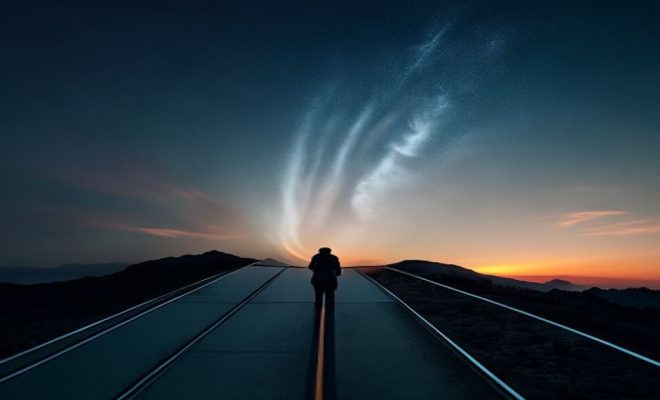
Long exposure photography is a captivating technique that allows photographers to capture the passage of time in a single image. By using a slow shutter speed, you can create stunning visuals that transform moving subjects into ethereal blurs while keeping static elements razor-sharp. Whether you’re interested in photographing waterfalls, night skies, or urban landscapes, mastering this skill can significantly enhance your portfolio. In this guide, we’ll explore the essentials of shooting long exposures, from technical settings to creative insights.
1. Understanding Long Exposure Photography
Long exposure photography typically involves using a shutter speed longer than a second. This technique can span several seconds, minutes, or even hours, depending on the effect you wish to achieve. At its core, this method plays with light and time, allowing you to create images that convey motion and emotion.
The history of long exposure photography dates back to the 19th century, when photographers like Nicéphore Niépce captured images that required several minutes of exposure. Today, advancements in technology have made it easier for amateurs and professionals alike to explore this fascinating technique with digital cameras.
2. Getting Started: Equipment Essentials
Before you embark on your long exposure journey, it’s crucial to have the right equipment. Here are the essentials:
- Camera: A DSLR or mirrorless camera that allows manual control over shutter speed, aperture, and ISO is ideal.
- Tripod: Stability is key in long exposure photography. A sturdy tripod will prevent camera shake during long exposures.
- Neutral Density (ND) Filter: This filter reduces the amount of light entering the lens, allowing you to use longer shutter speeds even in bright conditions.
- Remote Shutter Release: To avoid camera shake when pressing the shutter button, use a remote release or your camera’s timer function.
Investing in quality equipment will set you up for success, but remember that creativity and technique are just as important.
3. Choosing the Right Settings
Now that you have your gear, it’s time to familiarize yourself with the camera settings that will enhance your long exposure photography. The key settings to adjust include:
- Shutter Speed: This is the most critical setting for long exposure shots. Start with a speed of one second and adjust according to your subject and lighting conditions.
- Aperture: A smaller aperture (higher f-number) such as f/8 or f/11 will help increase depth of field and sharpness in your images, but be mindful of diffraction.
- ISO: Keep your ISO as low as possible (ISO 100 or 200) to minimize noise in your photographs.
Experiment with these settings to find the sweet spot that captures your subject while achieving the desired artistic effect.
4. Finding the Right Location
Location plays a vital role in the success of your long exposure photography. Look for areas where movement will be emphasized, such as:
- Waterfalls: The flowing water will create a silky effect when captured with long exposures.
- Urban Landscapes: City streets can be full of movement from cars and pedestrians, perfect for adding dynamic elements to your shots.
- Stars and Night Skies: Long exposure photography is ideal for capturing star trails or the ethereal beauty of the Milky Way.
Each location presents its own challenges and opportunities, so don’t hesitate to explore various settings to find what inspires you.
5. Timing and Lighting Considerations
Timing can make or break your long exposure shots. The best times for this technique are during the golden hour (just after sunrise or before sunset) or at night when light is scarce. This helps create a dramatic contrast between illuminated and dark areas.
Consider using a histogram to monitor exposure levels. Ideally, you want to avoid clipping highlights or shadows, making it easier to achieve a balanced image. If you’re photographing landscapes, overcast days can also work well, as the diffused light creates even exposure without harsh shadows. (See: Long exposure photography overview.)
6. Techniques for Captivating Effects
Once you’ve grasped the basics, it’s time to explore creative techniques that can elevate your long exposure photography:
- Motion Blur: Capture moving subjects, such as waves or traffic, to create a sense of motion. This adds a dynamic element to your images.
- Light Trails: Photographing light sources like car headlights or fireworks can result in stunning trails that weave through your composition.
- Star Trails: By using very long exposures (several minutes or hours), you can capture the movement of stars across the night sky, creating circular trails that are visually striking.
Experimenting with these techniques will not only enhance your skill set but also inspire new creative ideas for your photography.
7. Post-Processing Your Long Exposure Shots
Post-processing is a crucial step in enhancing your long exposure images. Software like Adobe Lightroom or Photoshop will allow you to fine-tune your photos. Here are some common adjustments to consider:
- Contrast and Saturation: Enhancing these elements can add depth and vibrancy to your images, making them pop.
- Noise Reduction: Long exposures can introduce noise, especially in darker areas. Use noise reduction tools to smooth out unwanted artifacts.
- Sharpness and Clarity: Boosting sharpness can help bring out details in static elements, ensuring your photos are crisp and clear.
Always keep a light touch in post-processing to maintain the natural beauty of your long exposure photography.
8. Common Mistakes to Avoid
Even experienced photographers can fall into traps when shooting long exposures. Here are some common mistakes to watch out for:
- Ignoring the Tripod: Camera shake can ruin a long exposure shot. Always use a tripod to ensure stability.
- Wrong Exposure Settings: Overexposing or underexposing your image can lead to loss of detail. Pay attention to your camera’s histogram and adjust accordingly.
- Neglecting Filters: Failing to use ND filters in bright conditions can lead to overly bright images, making it impossible to achieve the desired effect.
Awareness of these pitfalls will help you refine your technique and create stunning images.
9. The Growing Popularity of Long Exposure Photography
In recent years, long exposure photography has gained traction on social media platforms like Instagram and Pinterest, with many photographers sharing their stunning results. The ability to create surreal and dreamlike images resonates with audiences, fostering a growing community of enthusiasts and professionals alike.
This surge in popularity can be attributed to several factors, including the increasing accessibility of high-quality photography equipment and the rise of online tutorials that help aspiring photographers learn and practice this technique. As you explore long exposure photography, you’ll find an ever-expanding community ready to share tips, tricks, and inspiration.
Whether you’re looking to capture the tranquility of nature, the hustle and bustle of a city, or the vastness of the night sky, long exposure photography is a powerful way to express your creativity. Just remember to practice, experiment, and enjoy the process of capturing time in a single frame.
10. Advanced Techniques for Long Exposure Photography
Once you’re comfortable with the basics, you might want to explore more advanced techniques that can add depth and interest to your long exposure photography. Here are a few to consider:
- Timelapse Photography: This technique involves taking a series of photos at set intervals and then combining them into a video. It allows you to showcase the passing of time effectively, such as clouds moving across the sky or the transition from day to night.
- Layering Exposures: Some photographers use multiple exposures in a single frame to create complex, dreamlike images. This technique may require advanced editing skills, but the results can be breathtaking.
- Intentional Camera Movement (ICM): While it might sound counterintuitive, intentionally moving your camera during the exposure can produce striking abstract images. This technique can convey emotion and movement, transforming mundane subjects into art.
- Light Painting: Incorporate light sources, such as flashlights or sparklers, to illuminate parts of your scene during a long exposure. This technique can create a unique blend of light and shadow, adding a fresh perspective to your work.
Getting comfortable with these advanced techniques can significantly enhance your long exposure photography, allowing you to convey emotions, stories, and artistic visions in new ways.
11. Popular Subjects for Long Exposure Photography
Different subjects lend themselves particularly well to long exposure photography. Here are some popular choices among photographers: (See: Scientific insights on photography techniques.)
- Seascapes: Oceans and lakes are ideal for long exposure photography. Moving water can create a beautiful, smooth effect that adds serenity to your images. Try different times of the day to capture varying light conditions.
- Street Photography: Capturing urban scenes at night can bring your city to life. Neon lights, the motion of cars, and the bustle of pedestrians can create dynamic compositions. Long exposures can reveal the energy of the city while allowing for interesting light trails.
- Landscapes: Long exposures are fantastic for capturing the beauty of landscapes, especially when clouds are moving. A long exposure can create a dreamy effect, smoothing out water and adding drama to skies.
- Architecture: Buildings can be stunning subjects for long exposure photography, especially at night. Use long exposure to capture light trails from passing vehicles, giving the structure a sense of motion.
Choosing subjects that enhance the technique can lead to extraordinary results that resonate with viewers.
12. Long Exposure Photography and the Environment
As photographers, it’s essential to consider the impact of our actions on the environment. When engaging in long exposure photography, think about these aspects:
- Leave No Trace: When shooting in natural locations, always follow the Leave No Trace principles. Respect the environment by sticking to designated paths, avoiding disturbing wildlife, and cleaning up after yourself.
- Wildlife Photography: If your long exposure involves wildlife, be mindful of their habitats. Use longer focal lengths to avoid disturbing animals, capturing them from a distance.
- Local Regulations: Some areas may have specific regulations regarding photography, especially in protected environments. Stay informed and ensure your photography practices align with local rules.
By considering the environmental impact of your photography, you can enjoy long exposure techniques while preserving the beauty of the locations you love to capture.
13. FAQs About Long Exposure Photography
What is the ideal shutter speed for long exposure photography?
The ideal shutter speed varies based on the effect you want to achieve. Start with one second and adjust as needed. For capturing movement, longer speeds, like 10 seconds or more, can create dramatic effects.
Do I need a special camera to do long exposure photography?
No, you don’t need a special camera, but having a DSLR or mirrorless camera with manual controls helps. Compact cameras or smartphones can also do long exposures, though they may have limitations.
How do I avoid noise in long exposure images?
To minimize noise, keep your ISO low (100-200) and consider using a noise reduction tool in post-processing. Also, using a longer exposure time can help average out noise, but don’t exceed necessary limits.
Can I do long exposure photography during the day?
Yes, you can! Using ND filters will allow you to use longer exposures even in bright conditions. This is particularly useful for capturing flowing water or softening harsh light.
How can I practice long exposure photography effectively?
Start by choosing simple subjects and gradually work on more complex scenes. Experiment with different shutter speeds, locations, and lighting conditions. Review your photos to learn what settings work best under various circumstances.
What software is best for editing long exposure shots?
Adobe Lightroom and Photoshop are popular choices for editing long exposure photography. They provide powerful tools for adjusting exposure, contrast, and noise reduction.
How can I protect my lens during long exposures outdoors?
Using a lens hood can help prevent lens flare and protect the lens from moisture or dirt. Additionally, keep an eye on the weather conditions and use protective filters if needed. (See: Understanding technical settings in photography.)
Is it possible to take long exposures with a smartphone?
Yes! Many smartphones have a night mode or manual control options that allow you to adjust shutter speed for long exposure shots, though results can vary based on the device.
What subjects are best for night long exposure photography?
Nighttime subjects like starry skies, cityscapes, and illuminated architecture work great for long exposures. Look for light sources that can create interesting patterns or trails.
14. Incorporating Long Exposure Photography into Your Portfolio
As you develop your skills in long exposure photography, it’s essential to think about how to incorporate this technique into your overall photography portfolio. Here are some strategies to consider:
- Diverse Subjects: Showcase a range of subjects that highlight your versatility. Include landscapes, cityscapes, and night photography to create a well-rounded portfolio.
- Thematic Collections: Organize your long exposure shots into thematic collections. This could be based on time of day, geographical location, or emotional tone. A cohesive collection can tell a compelling story.
- Experiment with Presentation: Consider how you present your long exposure photos. Large prints, framed pieces, or even online galleries can create different visual impacts. Experiment with various formats to find what resonates with your style.
- Engage with Your Audience: Share your long exposure images on social media or photography forums. Engaging with fellow photographers and audiences will provide valuable feedback and can inspire new ideas.
Building a portfolio that showcases your long exposure photography will help you establish your style and attract potential clients or enthusiasts who appreciate your artistic vision.
15. Long Exposure Photography Challenges and Competitions
Participating in photography challenges or competitions focused on long exposure techniques can be a great way to push your creativity. Here are a few ideas to consider:
- Online Challenges: Many photography websites and social media platforms host monthly or weekly challenges centered around specific themes, including long exposure. Joining these can inspire you to shoot more frequently and try new techniques.
- Local Photography Competitions: Look for photography contests in your area that allow you to submit long exposure images. This is an excellent opportunity to gain exposure and recognition for your work.
- Collaborative Projects: Collaborate with other photographers on long exposure projects. Working with peers can provide fresh perspectives and ideas, enhancing your skills and creative output.
Challenges and competitions can motivate you to explore new techniques and refine your long exposure photography skills, helping you grow as an artist.
Whether you’re looking to capture the tranquility of nature, the hustle and bustle of a city, or the vastness of the night sky, long exposure photography is a powerful way to express your creativity. Just remember to practice, experiment, and enjoy the process of capturing time in a single frame.
“`
Trending Now
Frequently Asked Questions
What is long exposure photography?
Long exposure photography is a technique that captures the passage of time in a single image by using a slow shutter speed. This allows moving subjects to appear as ethereal blurs while static elements remain sharp, creating stunning visuals that convey motion and emotion.
What equipment do I need for long exposure photography?
For long exposure photography, essential equipment includes a DSLR or mirrorless camera with manual control, a sturdy tripod to prevent camera shake, a Neutral Density (ND) filter to limit light intake, and a remote shutter release or timer to avoid shaking the camera during the shot.
How do you shoot long exposure photos?
To shoot long exposure photos, set your camera to manual mode, choose a slow shutter speed, and stabilize your camera on a tripod. Use an ND filter if shooting in bright conditions, and consider using a remote shutter release or timer to minimize camera shake when capturing the image.
What are the best subjects for long exposure photography?
Ideal subjects for long exposure photography include waterfalls, urban landscapes, and night skies. These subjects benefit from the technique as it enhances motion, creates dream-like effects, and captures the dynamic interplay of light and time in a single frame.
Why is a tripod important for long exposure photography?
A tripod is crucial in long exposure photography because it provides stability, preventing camera shake during extended exposure times. This ensures that static elements in the image remain sharp while capturing the motion of moving subjects effectively.
Have you experienced this yourself? We'd love to hear your story in the comments.