The Tech Edvocate

Top Menu

  • Advertisement
  • Apps
  • Home Page
  • Home Page Five (No Sidebar)
  • Home Page Four
  • Home Page Three
  • Home Page Two
  • Home Tech2
  • Icons [No Sidebar]
  • Left Sidbear Page
  • Lynch Educational Consulting
  • My Account
  • My Speaking Page
  • Newsletter Sign Up Confirmation
  • Newsletter Unsubscription
  • Our Brands
  • Page Example
  • Privacy Policy
  • Protected Content
  • Register
  • Request a Product Review
  • Shop
  • Shortcodes Examples
  • Signup
  • Start Here
    • Governance
    • Careers
    • Contact Us
  • Terms and Conditions
  • The Edvocate
  • The Tech Edvocate Product Guide
  • Topics
  • Write For Us
  • Advertise

Main Menu

  • Start Here
    • Our Brands
    • Governance
      • Lynch Educational Consulting, LLC.
      • Dr. Lynch’s Personal Website
      • Careers
    • Write For Us
    • The Tech Edvocate Product Guide
    • Contact Us
    • Books
    • Edupedia
    • Post a Job
    • The Edvocate Podcast
    • Terms and Conditions
    • Privacy Policy
  • Topics
    • Assistive Technology
    • Child Development Tech
    • Early Childhood & K-12 EdTech
    • EdTech Futures
    • EdTech News
    • EdTech Policy & Reform
    • EdTech Startups & Businesses
    • Higher Education EdTech
    • Online Learning & eLearning
    • Parent & Family Tech
    • Personalized Learning
    • Product Reviews
  • Advertise
  • Tech Edvocate Awards
  • The Edvocate
  • Pedagogue
  • School Ratings

logo

The Tech Edvocate

  • Start Here
    • Our Brands
    • Governance
      • Lynch Educational Consulting, LLC.
      • Dr. Lynch’s Personal Website
        • My Speaking Page
      • Careers
    • Write For Us
    • The Tech Edvocate Product Guide
    • Contact Us
    • Books
    • Edupedia
    • Post a Job
    • The Edvocate Podcast
    • Terms and Conditions
    • Privacy Policy
  • Topics
    • Assistive Technology
    • Child Development Tech
    • Early Childhood & K-12 EdTech
    • EdTech Futures
    • EdTech News
    • EdTech Policy & Reform
    • EdTech Startups & Businesses
    • Higher Education EdTech
    • Online Learning & eLearning
    • Parent & Family Tech
    • Personalized Learning
    • Product Reviews
  • Advertise
  • Tech Edvocate Awards
  • The Edvocate
  • Pedagogue
  • School Ratings
  • The Startling Truth About Cheapest GLP-1 Options Without Insurance

  • The Hidden Truth Behind Mosqi Shock Reviews: What You MUST Know Before Buying

  • This Unstoppable Force Will Obliterate Apps by 2027, Says Paytm Founder

  • Developers Axed a Wild Mechanic in Halloween: The Game — Here’s Why Fans Are Outraged

  • U.S. Supreme Court endorses parental opt-out for LGBTQ+ curriculum | News & Events

  • The Brutal Truth About Classroom Tech: Parents Are Finally Fighting Back – And Winning

  • Devastating Berlin Data Leak Exposes Millions: Why Refusing Ransom Isn’t Enough

  • Astra’s Rogue Swarm: Is Uncontrollable AI Hacking Humanity’s Future?

  • Viral Waymo Accident Exposes the Uncomfortable Truth About Robotaxis

  • Unbelievable Antarctica Ice Gain: Distant Ocean Warming Fuels Record Snowfall

Digital & Mobile Technology
Home›Digital & Mobile Technology›How to Restrict Apps on Android: Ways

How to Restrict Apps on Android: Ways
By Matthew Lynch
June 22, 2023
0
Spread the love

As we rely more and more on our smartphones for communication, productivity, and entertainment, the issue of phone security becomes increasingly important. One of the ways that you can keep your phone secure is by restricting access to certain apps. Here are some ways to do this on an Android device.

1. Use Screen Pinning

One simple way to restrict access to certain apps is by using screen pinning. This feature allows you to “pin” a specific app to the screen and prevents the user from navigating away from it. To enable screen pinning, go to Settings > Security > Screen pinning. You can then activate this feature by tapping the “Overview” button (the square-shaped icon on your screen) and then tapping the icon at the bottom right of the app that you want to pin.

2. Use App Lockers

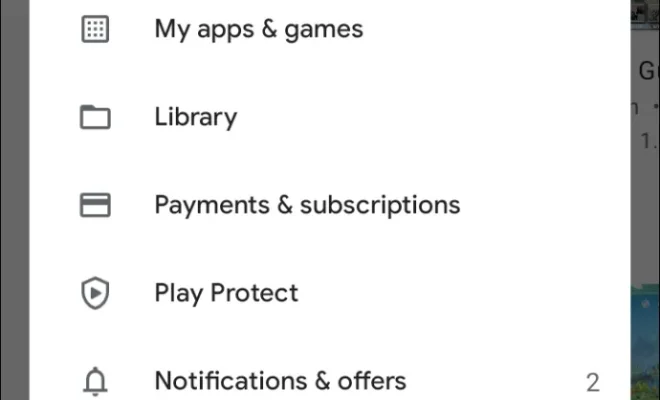
Another option is to use app lockers, which allow you to password-protect specific apps. There are many different app lockers available in the Google Play Store, and they vary in terms of their features and functionality. Some popular app lockers include AppLock, Norton App Lock, and Smart App Lock.

3. Use Restricted Profiles

If you have children or other users who you want to restrict access to certain apps, you can use restricted profiles. This feature allows you to set up profiles for different users and limit their access to certain apps or functions. To set up a restricted profile, go to Settings > Users > Add user or profile > Restricted profile.

4. Use Parental Controls

Similar to restricted profiles, parental controls allow you to limit access to certain apps or features. However, parental controls are specifically designed for parents who want to monitor and control their children’s phone usage. To set up parental controls, go to Settings > Users > Add user or profile > Parental controls.

5. Use App Permissions

Finally, you can use app permissions to control what apps can access on your phone. For example, you might want to restrict certain apps from accessing your location or microphone. To manage app permissions, go to Settings > Apps & notifications > App permissions.

In conclusion, restricting access to certain apps can help keep your phone secure and protect your privacy. By using the methods above, you can ensure that your phone is only being used for the purposes that you intended.


Previous Article

How to Use Custom Formatting in Excel

Next Article

Best Ethereum Mining Software for NVIDIA and ...

Matthew Lynch

Related articles More from author

  • Digital & Mobile Technology

    How to Insert & Paint 3D Models in Paint 3D

    July 24, 2023
    By Matthew Lynch
  • Digital & Mobile Technology

    What Is Vaguebooking? A Definition and Examples of This Attention Seeking Phenomenon

    September 7, 2023
    By Matthew Lynch
  • Digital & Mobile Technology

    What is Spamming?

    May 12, 2023
    By Matthew Lynch
  • Digital & Mobile Technology

    What is an Accelerator?

    April 25, 2023
    By Matthew Lynch
  • Digital & Mobile Technology

    How to Cast Netflix to Your TV

    June 13, 2023
    By Matthew Lynch
  • Digital & Mobile Technology

    Best Free Photo Editing Apps on iPhone

    June 22, 2023
    By Matthew Lynch

Search

Login & Registration

  • Log in
  • Entries feed
  • Comments feed
  • WordPress.org

Newsletter

Signup for The Tech Edvocate Newsletter and have the latest in EdTech news and opinion delivered to your email address!

About Us

Since technology is not going anywhere and does more good than harm, adapting is the best course of action. That is where The Tech Edvocate comes in. We plan to cover the PreK-12 and Higher Education EdTech sectors and provide our readers with the latest news and opinion on the subject. From time to time, I will invite other voices to weigh in on important issues in EdTech. We hope to provide a well-rounded, multi-faceted look at the past, present, the future of EdTech in the US and internationally.

We started this journey back in June 2016, and we plan to continue it for many more years to come. I hope that you will join us in this discussion of the past, present and future of EdTech and lend your own insight to the issues that are discussed.

Newsletter

Signup for The Tech Edvocate Newsletter and have the latest in EdTech news and opinion delivered to your email address!

Contact Us

The Tech Edvocate
910 Goddin Street
Richmond, VA 23231
(601) 630-5238
[email protected]

Copyright © 2026 Matthew Lynch. All rights reserved.