Build Your Own Raised Garden Bed: A Comprehensive Guide
“`html
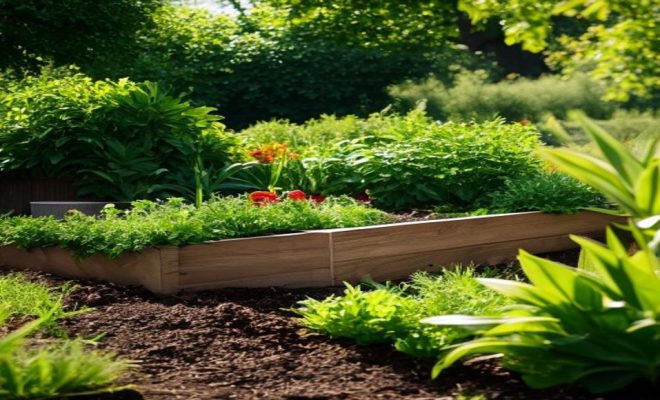
Raised garden beds are rapidly gaining popularity among gardening enthusiasts and novices alike, and for good reason. Not only do they offer a way to grow vegetables, flowers, and herbs in a manageable space, but they also eliminate many challenges associated with traditional gardening. If you’re eager to learn how to make raised garden beds, this guide will walk you through the process with practical insights and innovative plans that can turn your gardening dreams into reality.
1. The Benefits of Raised Garden Beds: Why You Should Consider Them
Raised garden beds provide a multitude of advantages that make them an appealing option for both seasoned gardeners and beginners. For starters, they improve soil drainage, which is vital for promoting healthy plant growth. By elevating the soil, you can prevent waterlogging, which can lead to root rot and other issues.
Moreover, the structure of raised beds allows for better weed control. With the right materials and design, weeds are less likely to invade your plants, saving you time and effort on maintenance. Additionally, these beds can be tailored to your height, reducing the need for bending and kneeling, making gardening much more accessible for people with mobility issues.
Another advantage is the ability to control the soil quality. In traditional gardening, the native soil may not be suitable for growing, but with raised beds, you can create an ideal soil mix tailored to your plants’ needs. This control over soil also means you can avoid contaminants commonly found in ground soil, especially in urban areas.
Lastly, raised garden beds can warm up quicker in the spring compared to in-ground gardens. This means you can plant earlier, extending your growing season and potentially increasing your harvests.
2. Choosing the Right Location: Finding the Perfect Spot for Your Garden
Before diving into construction, it’s crucial to select the right location for your raised garden bed. Ideally, you’ll want a spot that receives at least 6-8 hours of sunlight daily, as most vegetables thrive in sunny conditions. Observe your yard throughout the day to identify areas that get the most light.
Additionally, consider accessibility. You’ll want to place your garden bed close enough to your home for convenience, making it easy to tend to your plants or harvest your produce. Proximity to a water source is also beneficial, as it simplifies the watering process.
Soil quality is another key factor. If your chosen location has poor soil, raised beds can rectify this, but make sure to check for drainage; a location that collects water can lead to problems down the line. You might also want to avoid areas near large trees, as their roots can compete with your garden for nutrients and water.
3. Materials You’ll Need: The Building Blocks of Your Raised Garden Bed
Creating a raised garden bed starts with selecting the right materials. Common options include wood, metal, and concrete blocks. For wooden beds, cedar and redwood are excellent choices due to their natural resistance to rot and pests. If you prefer a more modern look, metal frames can provide durability and a contemporary aesthetic.
Make sure to avoid treated lumber, as the chemicals used can leach into the soil and potentially harm your plants. If you go the route of concrete blocks, they’re not only durable but also allow for better insulation for plant roots. Each material comes with its own pros and cons, so choose wisely based on your specific gardening needs. (See: Raised bed gardening benefits.)
Another material option is recycled materials, such as old pallets or bricks, which can be both cost-effective and environmentally friendly. However, ensure they don’t contain harmful substances. If you’re feeling creative, consider using repurposed metal containers or even large barrels, which can add a rustic charm to your garden.
4. Designing Your Raised Garden Bed: Key Considerations and Dimensions
When it comes to designing your raised garden bed, there are a few essential factors to keep in mind. First, consider the dimensions. A common size is 4 feet wide by 8 feet long, which allows for ample planting space while still being easy to reach from either side. The height of your bed can vary, but a depth of 12 to 24 inches is generally sufficient for most vegetables.
Think about the layout too. Whether you want a single garden bed or a series of interconnected beds depends on your gardening goals. A grid layout can help you maximize space, while a more organic shape can create a visually appealing garden that fits harmoniously in your landscape.
Don’t forget about aesthetics! Raised beds don’t have to be purely functional. You can incorporate decorative elements like painted wood, trellises for climbing plants, or even companion planting for both beauty and function. Consider integrating paths around your beds for easy access, using gravel, wood chips, or stepping stones to create a pleasant walking area.
5. Step-by-Step Instructions: How to Build Your Raised Garden Bed
Now that you’ve chosen your materials and design, it’s time to get building. Here’s a simple step-by-step process to create your raised garden bed:
- Step 1: Gather your materials, which should include your chosen wood or metal, screws or nails, landscaping fabric, and soil.
- Step 2: Clear the area of grass and weeds where the bed will be placed. This prevents competition for nutrients.
- Step 3: Construct the frame by cutting your wood or assembling your metal pieces according to your design.
- Step 4: Secure the corners with screws or nails, ensuring everything is level.
- Step 5: Line the bottom with landscaping fabric to prevent weeds from coming through.
- Step 6: Fill the bed with a mix of quality soil and compost, creating a nutrient-rich environment for your plants.
- Step 7: Plant your seeds or seedlings and watch them thrive.
Once you’ve built your raised garden bed, consider implementing a cover for your plants during harsh weather or pests. A simple hoop house made from PVC pipes covered with plastic can create a greenhouse effect, allowing you to extend your growing season.
6. Soil and Fertilization: Creating the Ideal Growing Environment
After constructing your raised garden bed, filling it with the right soil mix is crucial for your plants’ health. A recommended blend is one part topsoil, one part compost, and one part peat moss or coconut coir. This combination provides plants with the nutrients they need while maintaining adequate drainage.
Fertilization is also essential as plants will deplete the nutrients in the soil over time. Organic fertilizers like worm castings, fish emulsion, or compost tea can provide a steady supply of nutrients without the risk of chemical buildup that synthetic fertilizers may cause. Regularly testing your soil pH can help you understand what amendments are necessary for optimal plant growth.
Consider crop rotation and companion planting to enhance soil health. For example, rotating crops like legumes can naturally replenish nitrogen in the soil. Additionally, planting certain flowers alongside your vegetables can attract pollinators and beneficial insects, thus improving yields and pest management.
7. Watering and Maintenance: Keeping Your Garden Thriving
Maintaining a raised garden bed involves consistent watering, especially during hot months. Since raised beds tend to dry out faster than traditional gardens, it’s crucial to monitor soil moisture levels. A drip irrigation system can be a convenient solution, allowing for regulated watering and minimizing evaporation.
In addition to watering, regular maintenance is required to keep your garden healthy. This includes monitoring for pests, which can quickly become a problem in any garden. Implementing natural pest control methods, such as introducing beneficial insects or using neem oil, can effectively keep pests at bay. (See: Healthy food access and gardening.)
Weeding is another critical maintenance task. While raised beds generally have fewer weeds, it’s essential to regularly check for any that do emerge. Mulching your beds can help suppress weeds and retain soil moisture. Organic materials like straw or wood chips make excellent mulch choices, adding nutrients back into the soil as they break down.
8. Innovative Raised Garden Bed Plans: Exploring Creative Designs
If you’re looking to take your gardening to the next level, consider these innovative raised garden bed plans:
- Tiered Beds: Perfect for small spaces, tiered garden beds allow for diverse planting while adding visual interest.
- Vertical Gardens: Incorporate vertical trellises into your raised bed to create more growing space and make the most of your area.
- Mobile Beds: Use wheels to create a portable raised garden bed, allowing you to move it to capture sunlight or protect it from harsh weather.
- Built-in Seating: Design your raised bed with integrated seating around the perimeter, creating a cozy space for gardening and relaxation.
- Companion Planting Beds: Plan your raised beds based on companion planting principles, grouping plants that benefit each other for a more productive garden.
- Pollinator Gardens: Design a raised bed specifically for flowers that attract bees, butterflies, and other pollinators, enhancing your overall garden’s health.
Each of these plans can be tailored to fit your taste and gardening goals, making your outdoor space both functional and beautiful.
9. Seasonal Planting Guide: What to Grow Throughout the Year
Understanding what to plant and when is essential for maximizing your raised garden bed’s potential. Here’s a seasonal guide to help you plan your planting schedule:
- Spring: This is the prime time for planting cool-weather crops like lettuce, spinach, peas, and carrots. As temperatures rise, consider transitioning to warmer crops like tomatoes and peppers by late spring.
- Summer: Ideal for heat-loving plants, summer is the season for planting beans, cucumbers, squash, and melons. Regular harvesting of these crops encourages further production.
- Fall: As temperatures begin to cool, you can plant late-crop varieties like kale, radishes, and turnips. Fall also presents an opportunity for planting garlic and overwintering onions.
- Winter: Depending on your climate, winter can be a time for growing cold-hardy greens if you use row covers or hoop houses. Alternatively, consider using this time to plan next season’s garden and improve soil quality with cover crops.
Using this guide, you can efficiently rotate your crops and ensure your raised garden beds are always productive, no matter the season.
10. Frequently Asked Questions (FAQ)
What is the ideal height for a raised garden bed?
The ideal height for a raised garden bed typically ranges from 12 to 24 inches. This height allows plants ample root space while reducing the need for bending over when gardening. However, consider your personal comfort and what you plan to grow when deciding on height.
How often should I water my raised garden bed?
Watering frequency depends on factors like plant type, weather, and soil moisture. Generally, raised beds require more frequent watering due to increased evaporation. Check the soil moisture regularly; if the top inch is dry, it’s time to water.
Can I use treated lumber for my raised garden bed?
It’s best to avoid treated lumber, especially if it contains harmful chemicals. If you want to use treated wood, look for lumber treated with safe, non-toxic methods. However, untreated wood like cedar or redwood is safer and lasts longer against rot.
What can I grow in a raised garden bed?
Raised garden beds are versatile and can accommodate a wide range of plants, including vegetables, herbs, and flowers. Some popular choices include tomatoes, carrots, lettuce, peppers, and marigolds. Plan your crops based on their sunlight, water needs, and growth habits.
How do I protect my raised garden bed from pests?
You can protect your raised garden bed from pests by implementing several strategies: use row covers, plant companion plants that repel pests, attract beneficial insects, and maintain good garden hygiene. Regularly inspecting your plants can also help catch pest problems early. (See: Research on soil quality in gardening.)
Can I grow perennials in a raised garden bed?
Absolutely! Raised garden beds are great for perennials. Plants like strawberries, rhubarb, or even certain herbs can thrive in a raised setting. Just remember that perennials may need a bit more care regarding spacing and root depth, so be sure to plan accordingly.
What are the best companion plants for vegetables in raised beds?
Companion planting enhances growth and pest resistance. For example, plant basil alongside tomatoes to boost growth and flavor. Marigolds deter nematodes, making them excellent companions for almost any vegetable. Additionally, planting garlic near roses can help repel aphids.
Is it necessary to use a liner in a raised garden bed?
While it’s not strictly necessary, using a liner can be beneficial, especially if you’re using wood that may leach into the soil over time. A liner can help maintain soil structure and prevent excess water drainage, which can be particularly useful in sandy soils.
How can I add drainage to my raised garden bed?
If you’re concerned about drainage, consider adding rocks or gravel to the bottom of your bed before filling it with soil. This layer will help to ensure excess water can escape. You can also incorporate sand into your soil mix to improve drainage and reduce compaction.
By now, you should have a comprehensive understanding of how to make raised garden beds, from the initial planning stages to innovative designs. Whether you’re growing vegetables for your family or creating a vibrant flower display, these raised garden bed plans will help you cultivate a thriving oasis in your backyard.
11. Exploring Advanced Raised Garden Bed Plans: Taking Your Gardening to the Next Level
For those looking to enhance their gardening experience, consider advanced raised garden bed plans that incorporate technology, sustainability, and innovative design. Here are a few ideas:
- Hydroponic Systems: Integrating hydroponics into raised beds allows for soil-less gardening, which can significantly reduce water use and increase growth rates. You’ll need a water reservoir, nutrient solution, and a method for supporting the plants.
- Automated Irrigation: Installing a smart irrigation system can help with efficient water use. These systems can be programmed to water your plants based on moisture levels, saving water and ensuring that your plants receive consistent care.
- Compost Bins: Build a composting area alongside your raised beds to create a closed-loop system. This can provide fresh compost to enrich your soil while reducing kitchen waste.
- Multi-Level Gardening: Create a multi-level raised bed system that maximizes vertical space and allows for a diverse range of plants. This is especially useful in urban settings where space is limited.
- Rainwater Harvesting: Consider installing a rain barrel system to collect and store rainwater for watering your raised beds. This sustainable approach not only conserves water but can also provide your plants with chemical-free hydration.
12. Community Gardening with Raised Beds: Building Connections through Gardening
Raised garden beds are not only great for personal use but can also play a vital role in community gardening initiatives. These community spaces provide opportunities for neighbors to come together, share gardening tips, and grow food collectively. Here are some ways to successfully implement raised beds in community gardening:
- Shared Resources: Community gardens can pool resources for materials and tools, making it easier and more affordable for everyone involved. Organizing group buys for soil, seeds, or fertilizers can lead to significant savings.
- Education and Workshops: Use community gardens as a platform for education. Host workshops on topics like composting, pest control, and seasonal planting, fostering a culture of learning and sustainability.
- Food Security: Community gardens can contribute to food security in urban areas, providing fresh produce to neighborhoods that may lack access to grocery stores. This is especially critical in food deserts, where fresh fruits and vegetables are hard to come by.
- Social Engagement: Gardening together can strengthen community bonds. Regular meet-ups for planting, maintenance, or harvest can create lasting friendships and a sense of belonging among participants.
- Beautification: Well-maintained raised beds can enhance the aesthetics of a neighborhood, creating green spaces that benefit both the environment and the community’s morale.
“`
Trending Now
Frequently Asked Questions
What are the benefits of raised garden beds?
Raised garden beds improve soil drainage, enhance weed control, and allow for tailored soil quality. They can also be designed to accommodate various heights, making gardening more accessible for those with mobility issues. Additionally, they warm up quicker in the spring, allowing for earlier planting and potentially extending the growing season.
How do I choose the right location for my raised garden bed?
Selecting the right location is crucial for a successful raised garden bed. Look for a spot that receives at least 6-8 hours of sunlight daily, has good drainage, and is easily accessible for watering and maintenance. Consider proximity to a water source and avoid areas with overhanging trees that may shade the bed.
What materials do I need to build a raised garden bed?
Common materials for building raised garden beds include untreated wood, bricks, or stone. You can also use composite materials or metal for durability. Ensure that the chosen materials are safe for growing edible plants and consider the height and dimensions based on your gardening needs.
How deep should a raised garden bed be?
A raised garden bed should typically be at least 12 inches deep to allow for adequate root growth. However, if you plan to grow deep-rooted plants, consider making the bed 18-24 inches deep. This depth also helps with soil drainage and provides better control over soil quality.
Can I use regular soil in a raised garden bed?
While you can use regular soil, it’s often better to create a custom soil mix for raised garden beds. This mix should include compost, topsoil, and other organic materials to ensure proper drainage, nutrient availability, and an ideal growing environment for your plants.
Have you experienced this yourself? We’d love to hear your story in the comments.