Craft the Perfect Fruit Platter: Tips & Creative Ideas
“`html
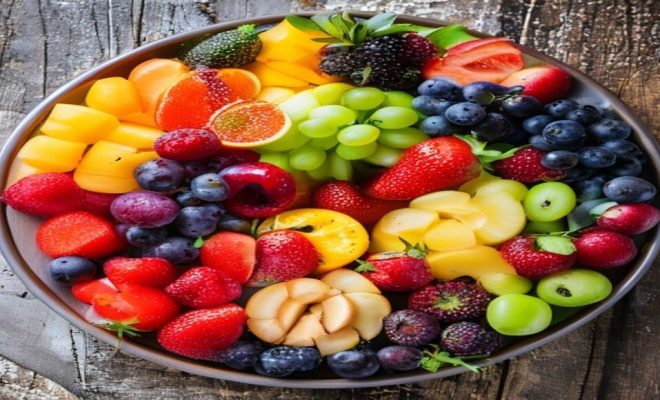
Creating a beautiful fruit platter can elevate any gathering, be it a casual brunch or a formal event. Not only does it serve as a colorful centerpiece, but it also encourages healthy eating among your guests. Whether you’re a culinary novice or a seasoned host, discovering various fruit platter ideas can inspire your next creation. In this article, we’ll break down how to make an impressive fruit platter, covering everything from selecting the best fruits to creative serving ideas.
1. The Basics of Building a Fruit Platter
Before diving into specific fruit platter ideas, let’s explore the foundational elements involved in creating an attractive and delicious arrangement. The key components include selecting your fruits, preparing them, and arranging them thoughtfully on a platter.
When selecting fruits, consider choosing a mix of colors, textures, and flavors. This not only makes the platter visually appealing but also caters to various taste preferences. For instance, combining sweet fruits like strawberries and grapes with tangy ones like kiwis and pineapple creates a balanced flavor profile. You should also think about seasonality; fruits like berries in summer or citrus fruits in winter can make your platter feel fresh and relevant.
2. Seasonal Fruit Platters
Seasonal fruits can take your fruit platter to the next level. In spring and summer, you might want to use juicy watermelon, ripe peaches, and vibrant strawberries. In contrast, autumn and winter can feature apples, pears, and citrus fruits, which bring warmth and comfort to your table.
For a spring platter, consider a mix of strawberries, blueberries, and peaches, accented with mint leaves. For fall, apples, figs, and oranges can create a warm, inviting display. Using seasonal fruits not only enhances the flavors but also supports local agriculture, making it a win-win for you and your community.
3. Preparation Techniques for Fruit
The preparation of fruit is just as crucial as the selection. Proper washing, peeling, and cutting will ensure that your platter is both appealing and easy to eat. Start with washing your fruits under cool running water to remove any dirt or pesticides. For fruits that require peeling, such as kiwis or mangos, use a sharp knife to ensure clean cuts.
When cutting fruits, uniformity is key. Aim for similar sizes so that they are easy to grab and eat. Slices of apples or pears can be fanned out, while berries can be kept whole for a burst of flavor. Consider using cookie cutters to create fun shapes out of watermelon or cantaloupe, especially if you’re catering to kids or a festive occasion.
4. Creative Arrangement Ideas
Now that you have your fruits ready, the next step is arranging them. A well-arranged platter can captivate your guests and make for great Instagram photos. One popular method is to create a rainbow effect, using fruits of varying colors in a semi-circular pattern. This not only looks appealing but also makes it easy for guests to identify their favorite fruits.
Another idea is to cluster similar fruits together. For instance, place all the berries in one section and tropical fruits like pineapple and mango in another. You could also create a tiered presentation by using two or more platters stacked at different heights, adding depth to your display.
5. Incorporating Dips and Garnishes
Dips and garnishes can add an extra layer of flavor and style to your fruit platter. Consider offering a yogurt-based dip, honey, or chocolate sauce for guests to enjoy alongside the fruit. For a more gourmet touch, try infusing your yogurt with herbs or spices like mint or cinnamon.
Garnishes can also enhance the visual appeal. Fresh mint leaves, edible flowers, or even a sprinkle of lime juice can brighten up your platter. Using wooden skewers to create fruit kabobs can make the platter interactive, allowing guests to easily grab a skewer and enjoy a mix of fruits. (See: Nutrition and healthy eating resources.)
6. Theme-Based Fruit Platters
Creating a themed fruit platter can add a fun twist to your gathering. Whether you’re hosting a birthday party, a baby shower, or a holiday feast, a theme can guide your fruit selection and arrangement. For a tropical-themed party, incorporate fruits like coconut, mango, and papaya, and use palm leaves as a base.
For holidays like Christmas, think about arranging fruits in festive shapes. Use apple slices to create a Christmas tree or arrange berries to mimic Christmas ornaments. Themed platters not only impress guests but also create a memorable dining experience.
7. Fruit Platter Ideas for Special Diets
When catering to guests with dietary restrictions, it’s important to consider their needs while still presenting an appealing fruit platter. For vegan guests, a platter filled with a variety of fruits is naturally suitable. To accommodate gluten-free diets, ensure that no cross-contamination occurs with any gluten-containing foods.
For those on a low-sugar diet, focus on fruits that are lower in sugar, such as berries and avocados, while avoiding high-sugar fruits like bananas and grapes. Offering a mix of nuts and seeds on the side can also enhance the nutrition profile without compromising on taste. This way, everyone can enjoy a delicious and satisfying fruit platter.
8. Storing Leftover Fruit Platters
After a successful event, you might find yourself with leftover fruit. Storing it properly is key to ensuring it remains fresh and appetizing for later use. If you have whole fruits left over, they can typically be stored in a cool, dry place. However, pre-cut fruits should be stored in airtight containers in the refrigerator to maintain their freshness.
Consider preparing smoothies with leftover fruits. Blend the fruits with yogurt or milk for a refreshing drink. You can also integrate them into breakfast bowls or salads. This way, you minimize waste while still enjoying the delicious flavors of your fruit platter long after your event has ended.
9. Fruit Platter Ideas for Every Occasion
Finally, let’s explore some specific fruit platter ideas for various occasions. For a summer barbecue, you might create a platter featuring watermelon slices, blueberries, and strawberries alongside mint leaves. For a fall gathering, consider a mix of apples, pears, and pomegranates, beautifully arranged with cinnamon sticks for a seasonal touch.
Planning for a birthday party? A colorful rainbow platter with an assortment of fruits plus a sweet dip can be a hit. If you’re hosting a wedding reception, consider opting for a sophisticated platter that includes exotic fruits like dragon fruit or star fruit. This kind of thoughtfulness in presentation speaks volumes to your guests and enhances their overall experience.
10. Unique Fruit Pairings
Besides the traditional way of presenting fruits, you can elevate your fruit platter with unique pairings that surprise and delight. Combining fruits with cheeses, nuts, or even proteins can create an unexpected but delectable flavor profile. For instance, pairing figs with goat cheese or blue cheese can create a sophisticated flavor combination that goes well with a glass of wine.
Another interesting pairing involves fruits and herbs. Basil and watermelon create a refreshing bite, while thyme can complement citrus fruits beautifully. Think outside the box; these unique pairings can take your platter from ordinary to extraordinary.
11. Expert Tips for Perfecting Your Fruit Platter
To create a stunning fruit platter, consider taking advice from catering experts. One common tip is to choose fruits that are at their peak ripeness. Overripe or underripe fruits can detract from the overall quality of your platter. When arranging your fruits, balance is crucial. Visual balance can be achieved by distributing colors evenly across the platter.
Another important detail is the use of proper utensils. Using a melon baller for creating round fruit shapes or a serrated knife for slicing tougher fruits like pineapple can make your preparation easier and your presentation cleaner. Finally, don’t forget to have napkins and skewers available. It makes it easy for guests to enjoy your beautiful creation without fuss.
12. Fruit Platters for Kids
Kids love colorful and fun food, so creating a fruit platter specifically for them can be a great way to encourage healthy eating. Use cookie cutters to shape fruits like apples, cantaloupes, and watermelons into fun designs. Star shapes, hearts, or even animals can make the experience more appealing. (See: USDA's nutrition guidelines.)
Consider incorporating a few dip options that are kid-friendly, such as peanut butter or yogurt with sprinkles. You could also include fun elements like chocolate-covered strawberries or fruit skewers that kids can eat with their fingers. Engaging children in the preparation process can also make them more excited to eat the fruits!
13. Fruit Platter FAQ
What fruits are best for a fruit platter?
Popular choices include strawberries, blueberries, grapes, kiwi, pineapple, melons, and apples. Aim for a mix of textures and flavors for variety.
How far in advance can I prepare a fruit platter?
It’s best to prepare fruit platters the day of your event to ensure freshness. However, you can wash and cut fruits a few hours ahead of time.
Can I use frozen fruits for a platter?
While frozen fruits can be delicious in smoothies or desserts, they may not provide the best texture for a fresh platter. It’s best to use fresh fruits.
How do I keep fruits from browning?
To prevent fruits like apples and pears from browning, toss them in a mixture of lemon juice and water. This will keep them looking fresh and appetizing.
Can I include dried fruits on my platter?
Absolutely! Dried fruits like apricots, figs, or raisins can add a chewy texture to your platter and pair well with nuts or cheeses.
14. Decorative Touches for Your Fruit Platter
Enhancing the visual appeal of your fruit platter goes beyond just arranging the fruits beautifully. You can also add various decorative touches that reflect the occasion or season. For instance, during the fall, incorporate mini pumpkins or gourds around your platter to create a festive atmosphere. For a spring gathering, consider using pastel-colored plates or serving dishes that harmonize with the natural colors of your fruit.
Using a variety of serving dishes can also add interest. Instead of a single large platter, consider using smaller bowls for different types of fruit. This makes it easier for guests to serve themselves and adds a dynamic look to your table. You can also intersperse small vases with fresh flowers to complement the colors of the fruits.
15. Health Benefits of Different Fruits
When curating your fruit platter, it’s worth noting the health benefits associated with various fruits. For instance, berries are rich in antioxidants and can help reduce inflammation. Citrus fruits, on the other hand, are a great source of vitamin C, which supports the immune system. Apples contain fiber that aids digestion, while bananas provide potassium, essential for heart health.
By being intentional about the fruits you choose, you can create a platter that not only looks great but also promotes health and wellness. Consider including a little card beside each type of fruit that highlights its health benefits, giving guests an extra reason to indulge.
16. International Fruit Platter Inspirations
Exploring fruit platter ideas from different cultures can add an exciting twist to your gatherings. For example, a Mediterranean-inspired platter might include figs, pomegranates, and oranges, served with a drizzle of honey and a sprinkle of nuts. A tropical platter could feature a mix of mango, papaya, and coconut, paired with a zesty lime dressing. (See: Healthy diet fact sheet by WHO.)
Middle Eastern fruit platters are often adorned with dried fruits and nuts, providing a rich texture and flavor contrast. Think about incorporating elements from various culinary traditions to offer your guests a taste of the world, all while enjoying fresh fruit.
17. Environmental Considerations and Sustainability
As you plan your fruit platter, consider the environmental impact of your choices. Opt for locally sourced fruits when possible to reduce carbon footprints and support local farmers. Eating in season not only benefits the environment but often results in fresher, tastier fruits.
Also, consider the packaging. Choose fruits with minimal packaging, and use biodegradable serving ware to align with sustainability goals. This approach not only enhances your gathering but also shows your guests that you care about the planet.
18. Fruit Platter Trends and Innovations
Fruit platters have evolved over the years, reflecting trends in health and aesthetics. One current trend is the use of “fruit boards” where fruits are artfully arranged on wooden boards, often accompanied by charcuterie elements such as cheese, meats, and nuts. This creates a more gourmet experience that appeals to a broader audience.
Another innovation is the introduction of edible flowers into fruit platters, which can elevate the visual presentation and add unique flavors. Keep an eye on food trends to inspire your next fruit platter, merging creativity with deliciousness.
19. Incorporating Other Food Groups
While fruit platters are primarily fruit-based, you can enhance them by incorporating other food groups. Add a selection of cheeses that pair well with the fruits, such as brie with apples or sharp cheddar with pears. This adds sophistication to your platter and caters to varying taste preferences.
You can also include protein options like yogurt or nut butter dips, providing a more filling option that rounds out the platter. Adding some whole-grain crackers or pita bread can create a well-rounded spread that encourages guests to linger and enjoy the flavors you’ve curated.
Incorporating these fruit platter ideas into your next gathering can be a delightful way to impress your guests while promoting healthy eating. With the right selection, preparation, and presentation, you’ll create a stunning display that everyone will enjoy. So gather your fruits, unleash your creativity, and get ready to wow your diners!
“`
Trending Now
Frequently Asked Questions
What fruits are best for a fruit platter?
The best fruits for a fruit platter include a mix of colorful and textured options. Popular choices are strawberries, grapes, kiwis, pineapple, and seasonal fruits like peaches in summer or apples in fall. Aim for a balance of sweet and tangy flavors to cater to different taste preferences.
How do you prepare fruit for a platter?
To prepare fruit for a platter, wash and cut fruits into bite-sized pieces. Remove any seeds or pits, and consider peeling where necessary. Arrange them artistically on a platter, mixing colors and textures for visual appeal. Adding mint leaves can enhance both presentation and flavor.
What seasonal fruits should I use for a fruit platter?
For a fruit platter, use seasonal fruits to enhance freshness and flavor. In spring and summer, opt for watermelon, peaches, and strawberries. In autumn and winter, include apples, pears, and citrus fruits. Seasonal fruits not only taste better but also support local agriculture.
How do you arrange a fruit platter?
To arrange a fruit platter, start by placing larger fruits in the center and surrounding them with smaller ones. Group similar colors and shapes together for a visually pleasing effect. Use varying heights and garnishes, like mint leaves, to add interest and dimension to your arrangement.
Can I include dried fruits on a fruit platter?
Yes, including dried fruits on a fruit platter can add a different texture and flavor profile. Options like dried apricots, figs, or raisins complement fresh fruits well. Just ensure to balance the platter with fresh options to maintain freshness and visual appeal.
Have you experienced this yourself? We’d love to hear your story in the comments.