How to integrate apps with Teams
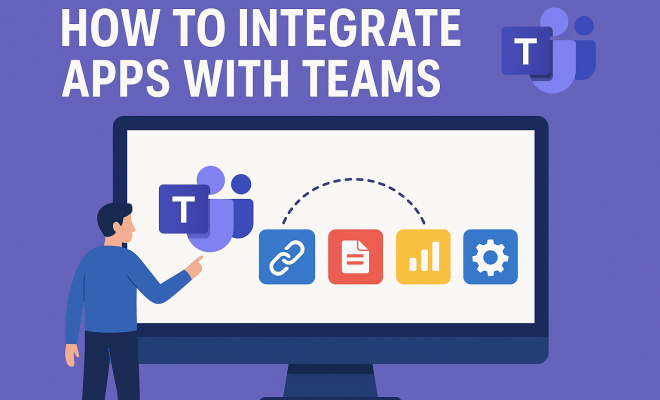
“`html
As remote work continues to reshape how teams communicate and collaborate, Microsoft’s Teams platform has emerged as a cornerstone for many organizations. However, to truly harness the potential of Teams, understanding how to integrate apps with Teams is crucial. By integrating various applications with Teams, organizations can streamline workflows, enhance productivity, and create a more cohesive work environment. Let’s explore ten essential ways to effectively integrate apps with Teams.
1. Understanding Microsoft Teams: A Brief Overview
Microsoft Teams is more than just a chat app; it’s a comprehensive collaboration platform that combines workplace chat, video meetings, file storage, and application integration. Launched in 2017, Teams has quickly become a vital tool for businesses, especially as remote work gains prominence. The ability to integrate apps with Teams is one of its standout features, allowing users to bring their favorite tools into a centralized space.
At its core, Teams aims to enhance communication and collaboration. By allowing users to incorporate third-party applications directly into the platform, Teams empowers teams to work more effectively without switching between multiple tools. By leveraging the integrations available, teams can reduce friction in their workflows and maintain focus on their priorities.
2. Why Integrate Apps with Teams?
Integration is not just about convenience; it’s about optimizing productivity and ensuring that team members have access to the tools they need in one place. When you integrate apps with Teams, it enhances the user experience by eliminating the need for constant app switching. This seamless access can significantly reduce the time spent on administrative tasks, allowing team members to dedicate more time to their core responsibilities.
Moreover, the integration of applications fosters collaboration, as team members can share and discuss relevant information without leaving Teams. It helps in maintaining a single source of truth, minimizing confusion and miscommunication among team members. This interconnectedness is particularly vital when managing projects that require input from various stakeholders.
3. Popular Apps to Integrate with Teams
There are countless applications available for integration with Teams, but some stand out due to their widespread popularity and usage. Here are a few key apps that can enhance your Teams experience:
- Trello: A project management tool that allows teams to visualize tasks and collaborate more effectively. Integrating Trello with Teams enables users to manage their boards directly within the Teams interface.
- Asana: Another project management app that helps teams organize tasks and deadlines. Asana integration brings task updates directly into Teams, improving visibility around project progress.
- Planner: A part of the Microsoft 365 suite, Planner allows teams to track tasks and projects. Integrating Planner into Teams makes it easy to manage tasks without needing to switch between different applications.
- OneNote: For note-taking and organization, OneNote integration allows users to create and share notes directly in Teams, making it easier to keep everyone on the same page.
- Zoom: While Teams has its own video conferencing capabilities, many teams still prefer Zoom. Integrating Zoom can provide a seamless experience for users who are accustomed to the platform.
4. Steps to Integrate Apps with Teams
Integrating apps with Teams is a straightforward process that can be completed in just a few steps. Here’s how you can do it:
- Open Microsoft Teams: Start by launching the Teams app on your desktop or through your web browser.
- Access the Apps Menu: On the left-hand sidebar, you’ll find an option labeled Apps. Click on it to access the app store.
- Search for the App: Use the search bar to find the specific app you wish to integrate. Teams offers a wide variety of applications to choose from.
- Add the App: Once you’ve found the desired app, click on it, and then select Add to integrate it into your Teams environment.
- Configure Settings: After the app is added, you may need to configure specific settings or permissions to optimize its performance within Teams.
Following these simple steps will allow you to integrate apps with Teams efficiently, enhancing your team’s overall productivity and collaboration capabilities.
5. Customizing App Integrations
One of the most powerful features of Teams is its flexibility when it comes to app integrations. Users can customize how these integrations function within their specific Teams environment. This includes setting up tabs for quick access to applications, creating bots to automate tasks, or even using connectors to receive real-time updates.
For instance, if your team relies heavily on a particular app, you can create a dedicated tab in your Teams channel for it. This allows all team members to access the app with just a click, avoiding the need for them to search through their apps. Additionally, bots can be programmed to send reminders, updates, or alerts directly in Teams, ensuring that important information is never missed.
6. Leveraging Microsoft Power Automate
Microsoft Power Automate is a tool that allows users to automate workflows between apps. Integrating Power Automate with Teams can significantly enhance productivity by automating repetitive tasks. For instance, you can set up a flow that automatically sends a message to a Teams channel whenever a new document is added to a specific folder in SharePoint.
This type of integration not only saves time but also ensures that all team members are kept in the loop without manual intervention. By utilizing Power Automate, teams can create custom workflows that cater to their specific needs, allowing for a more streamlined approach to collaboration. (See: Overview of Microsoft Teams.)
7. Best Practices for App Integration
While integrating apps with Teams offers numerous benefits, there are best practices that should be followed for optimal results. Here are some tips to keep in mind:
- Assess Needs: Before integrating an app, evaluate whether it aligns with your team’s needs. Avoid cluttering Teams with unnecessary apps that can overwhelm users.
- Train Team Members: Ensure that all team members are trained on how to use the integrated apps effectively. This can maximize the benefits derived from the integrations.
- Review Permissions: Regularly review app permissions to ensure that sensitive data is protected and that team members only have access to what they need.
- Gather Feedback: Encourage team members to provide feedback on the apps integrated into Teams. This input can help refine the tools being used and improve overall satisfaction.
Following these best practices can lead to a more successful implementation of integrated apps, ultimately benefiting your team’s workflow.
8. Common Challenges and Solutions
While integrating apps with Teams can significantly enhance productivity, it’s not without its challenges. Some common issues include integration errors, user resistance, and security concerns.
One of the most frequent problems users encounter is integration errors, which can arise from incompatible app versions or misconfigured settings. To mitigate this, ensure that all apps are up to date and properly configured during the integration process. Additionally, providing thorough documentation and support can empower users to troubleshoot minor issues independently.
User resistance is another challenge, particularly when team members are accustomed to specific workflows. To overcome this, involve team members in the decision-making process when selecting apps to integrate. This inclusiveness can foster buy-in and encourage users to embrace the new tools. Lastly, addressing security concerns should be a priority. Regularly audit app permissions and ensure compliance with your organization’s data protection policies.
9. Future Trends in App Integration with Teams
As technology continues to evolve, the way we integrate apps with Teams is also changing. One notable trend is the increasing use of artificial intelligence (AI) and machine learning to enhance app functionalities. AI-driven applications can provide personalized experiences, automate responses, and offer predictive insights, making Teams more efficient than ever.
Another trend is the rise of low-code or no-code platforms. These solutions allow users with minimal coding knowledge to create custom integrations, further democratizing app integration and empowering teams to tailor their tools to match their unique workflows.
As remote work becomes a staple for many organizations, the demand for seamless integration of apps within collaboration platforms like Teams will only grow. Staying ahead of these trends will be essential for individuals and organizations looking to maintain a competitive edge.
10. Conclusion: The Importance of Effective Integration
In an age where effective collaboration is paramount, knowing how to integrate apps with Teams is essential for any organization looking to optimize its workflow. The benefits of seamless integration include increased productivity, enhanced communication, and reduced operational friction.
By choosing the right applications, customizing integrations, and following best practices, teams can create a powerful collaborative environment. As technology continues to advance, staying informed about new integration possibilities will be key to unlocking the full potential of Microsoft Teams.
11. Advanced Integration Techniques
Once your organization has mastered the basics of integrating apps with Teams, consider exploring advanced techniques to elevate your team’s collaboration further. One such method is using the Teams API, which allows developers to create custom apps that can seamlessly connect with Microsoft Teams.
For example, a custom CRM integration can enable team members to access customer data directly within Teams, thereby reducing the need to toggle between different applications. By leveraging the API, teams can create tailored experiences that meet their specific needs, making collaboration more fluid and efficient.
Additionally, you can explore using webhooks to receive real-time notifications in Teams when certain events occur in other applications. This can be particularly useful for monitoring project changes in tools like JIRA or GitHub, allowing teams to stay updated without needing to switch contexts.
12. Case Studies of Successful Integrations
Learning from others can provide valuable insights into effective app integrations. Consider exploring case studies from organizations that have successfully integrated apps with Teams. For instance, a marketing agency implemented Asana integration with Teams, enabling real-time task management directly within their communication platform. This integration led to a 30% increase in project efficiency as the team could track progress and update tasks in one place. (See: Telework and remote work insights.)
Another notable example is a tech startup that integrated Slack and Teams to cater to the preferences of remote workers across different departments. By using both platforms in tandem, they ensured that team members could communicate in their preferred environment while maintaining workflow continuity.
These case studies illustrate that effective integration can lead to significant improvements in team productivity and morale, ultimately driving better business outcomes.
13. Statistics on Teams Integration Benefits
Having concrete data can help to persuade stakeholders about the advantages of integrating apps with Teams. Research indicates that teams using Microsoft Teams report a 25% increase in productivity due to streamlined communication and collaboration.
Another study found that organizations that integrate project management tools like Trello or Asana with Teams experience a 40% reduction in project completion times. This efficiency gain is attributed to enhanced visibility into project statuses and reduced communication barriers.
Furthermore, organizations that leverage Power Automate for automating workflows see a 50% decrease in manual errors, which significantly enhances the quality of deliverables.
14. FAQs About Integrating Apps with Teams
What types of apps can I integrate with Teams?
You can integrate a wide variety of apps with Teams, including project management tools, file storage services, CRM systems, and communication platforms. Popular options include Asana, Trello, OneNote, and Zoom.
Is it difficult to integrate apps with Teams?
Not at all! Microsoft Teams provides a user-friendly interface for integrating apps. Most integrations can be completed in just a few clicks, and many apps offer step-by-step guides to help you through the process.
Can I create custom integrations for my organization?
Yes, with the Microsoft Teams API, developers can create custom applications and integrations tailored to your organization’s unique needs. This allows for advanced functionality and personalized user experiences.
How do I ensure the security of integrated apps?
Regularly review the permissions granted to integrated applications and ensure compliance with your organization’s data protection policies. Additionally, educate team members on best practices for data security when using integrated apps.
Can I remove an app integration if it’s not working for my team?
Absolutely! You can easily remove app integrations through the Teams settings. Simply navigate to the Apps section, find the app you want to remove, and select the option to uninstall it.
Are there costs associated with integrating certain apps with Teams?
While many apps offer free integrations with Teams, some may require a subscription or payment for advanced features. It’s essential to review the pricing structure of any app you plan to integrate. (See: Impact of collaboration tools on productivity.)
How do I train my team on new app integrations?
Organize training sessions and workshops to introduce your team to the new integrations. Provide resources such as user guides, video tutorials, and ongoing support to help team members adapt to the changes effectively.
15. Real-World Examples of Effective App Integrations
Examining real-world instances where teams have successfully integrated various apps with Microsoft Teams can provide actionable insights. For instance, a healthcare organization integrated their patient management system with Teams. This allowed healthcare professionals to receive real-time updates about patient status directly in Teams, significantly improving response times to patient needs.
In another example, a financial services company used a combination of Microsoft Power BI and Teams. By integrating Power BI, the team could visualize and analyze financial data without leaving Teams. This led to quicker decision-making processes, as financial reports and analytics were readily available during team meetings.
These examples highlight the potential for app integration to transform workflows across diverse industries, enhancing efficiency and communication.
16. Security Considerations When Integrating Apps
Security should always be a primary concern when integrating apps with Teams. Each integration can represent a potential vulnerability, so it’s important to conduct a risk assessment prior to implementation. Start by evaluating the data each app will access and the permissions it requires. Ensure that your organization’s data protection policies are compatible with the app’s security protocols.
Additionally, consider utilizing Multi-Factor Authentication (MFA) for apps that handle sensitive information. Regularly auditing app access and permissions can also help maintain a secure Teams environment. By prioritizing security in your integration strategy, you can protect both team productivity and organizational data.
17. Getting Support for App Integrations
If you run into challenges while integrating apps with Teams, don’t hesitate to seek support. Microsoft offers a wealth of resources, including user forums, official documentation, and customer service. Many third-party app developers also provide dedicated support channels to assist with any integration issues.
Consider allocating a point person within your team who can be responsible for managing app integrations. This person can serve as the liaison between team members and external support, ensuring that any issues are resolved quickly. Leveraging available support resources can greatly enhance your integration experience.
18. Final Thoughts on App Integration with Teams
Mastering the art of integrating apps with Teams can significantly amplify your organization’s productivity and collaboration. By carefully selecting the right tools, customizing integrations, and following best practices, you can create a robust collaborative ecosystem. As organizations continue to evolve and adapt to changing work environments, the integration of apps within Teams will remain a critical component of achieving operational efficiency and team cohesion.
“`
Trending Now
Frequently Asked Questions
What is Microsoft Teams used for?
Microsoft Teams is a comprehensive collaboration platform that combines workplace chat, video meetings, file storage, and application integration. It is designed to enhance communication and collaboration among remote teams, making it easier to work together effectively.
Why should I integrate apps with Teams?
Integrating apps with Teams enhances productivity by centralizing tools in one platform. This reduces the need for constant app switching, streamlining workflows and allowing team members to focus on their core responsibilities, ultimately improving collaboration.
How do I integrate apps into Microsoft Teams?
To integrate apps into Microsoft Teams, go to the Teams app, click on 'Apps' in the sidebar, and browse or search for the desired app. Follow the prompts to add it to your team or channel, allowing team members to access the app directly within Teams.
What are the benefits of using Microsoft Teams for remote work?
Microsoft Teams provides a unified platform for communication and collaboration, making it easier for remote teams to connect through chat, video calls, and integrated apps. This enhances productivity, reduces administrative tasks, and fosters a cohesive work environment.
Can I use third-party applications with Teams?
Yes, Microsoft Teams allows the integration of various third-party applications. This feature enables users to incorporate their favorite tools directly into the Teams platform, enhancing functionality and improving overall workflow efficiency.
Have you experienced this yourself? We’d love to hear your story in the comments.