The Tech Edvocate

Top Menu

  • Advertisement
  • Apps
  • Home Page
  • Home Page Five (No Sidebar)
  • Home Page Four
  • Home Page Three
  • Home Page Two
  • Home Tech2
  • Icons [No Sidebar]
  • Left Sidbear Page
  • Lynch Educational Consulting
  • My Account
  • My Speaking Page
  • Newsletter Sign Up Confirmation
  • Newsletter Unsubscription
  • Our Brands
  • Page Example
  • Privacy Policy
  • Protected Content
  • Register
  • Request a Product Review
  • Shop
  • Shortcodes Examples
  • Signup
  • Start Here
    • Governance
    • Careers
    • Contact Us
  • Terms and Conditions
  • The Edvocate
  • The Tech Edvocate Product Guide
  • Topics
  • Write For Us
  • Advertise

Main Menu

  • Start Here
    • Our Brands
    • Governance
      • Lynch Educational Consulting, LLC.
      • Dr. Lynch’s Personal Website
      • Careers
    • Write For Us
    • The Tech Edvocate Product Guide
    • Contact Us
    • Books
    • Edupedia
    • Post a Job
    • The Edvocate Podcast
    • Terms and Conditions
    • Privacy Policy
  • Topics
    • Assistive Technology
    • Child Development Tech
    • Early Childhood & K-12 EdTech
    • EdTech Futures
    • EdTech News
    • EdTech Policy & Reform
    • EdTech Startups & Businesses
    • Higher Education EdTech
    • Online Learning & eLearning
    • Parent & Family Tech
    • Personalized Learning
    • Product Reviews
  • Advertise
  • Tech Edvocate Awards
  • The Edvocate
  • Pedagogue
  • School Ratings

logo

The Tech Edvocate

  • Start Here
    • Our Brands
    • Governance
      • Lynch Educational Consulting, LLC.
      • Dr. Lynch’s Personal Website
        • My Speaking Page
      • Careers
    • Write For Us
    • The Tech Edvocate Product Guide
    • Contact Us
    • Books
    • Edupedia
    • Post a Job
    • The Edvocate Podcast
    • Terms and Conditions
    • Privacy Policy
  • Topics
    • Assistive Technology
    • Child Development Tech
    • Early Childhood & K-12 EdTech
    • EdTech Futures
    • EdTech News
    • EdTech Policy & Reform
    • EdTech Startups & Businesses
    • Higher Education EdTech
    • Online Learning & eLearning
    • Parent & Family Tech
    • Personalized Learning
    • Product Reviews
  • Advertise
  • Tech Edvocate Awards
  • The Edvocate
  • Pedagogue
  • School Ratings
  • Shocking: Mercury Skin Bleachers Still Flood Amazon, Temu, and TikTok Shop

  • Shocking: 195,000 Heated Blankets Recalled After Dozens Suffer Burns – Is Yours One of Them?

  • The $4 Billion Comeback: How Manus Defied Geopolitical Odds to Double Its Valuation

  • This Israeli Startup Accidentally Unleashed AI Cyberattacks on Real Companies

  • This PlayStation Exclusive Just Vanished Forever — And It’s a Warning to All Gamers

  • The Jaw-Dropping Truth Behind Marvel’s Wolverine AI Scare

  • The September 2026 AI Surge: Why Your Business Needs to Adapt Now

  • The Billion-Dollar AI Slowdown Lawsuit That Could Shatter Big Tech

  • The Brutal Truth: Why Your Student Loan Discharge Is Stuck in Limbo

  • 7 Critical Lessons From Russia’s Election Cyber Onslaught

Cybersecurity
Home›Cybersecurity›How to Determine if Your Internet Provider Is Limiting Your Speeds

How to Determine if Your Internet Provider Is Limiting Your Speeds

By Matthew Lynch
January 31, 2024
0
Spread the love

In the age of high-speed internet, it’s frustrating to experience sluggish connections and slow download speeds, especially when you suspect that your Internet Service Provider (ISP) might be limiting your speeds. This practice is known as bandwidth throttling, a deliberate slowing down of internet service by an ISP. It’s not always easy to confirm if your speeds are being throttled, but there are several steps you can take to determine if this is the case.

1. Test Your Internet Speed: Start by testing your internet speed using various online speed test services such as Ookla’s Speedtest.net, Fast.com, or Google’s speed test. To get accurate results, ensure no other devices are using the network at the same time, and perform tests at different times of day.

2. Compare Against Your Plan: Check the speed you’re getting against the speed promised by your ISP in your service agreement. A minor difference is generally expected due to network overheads, but significant discrepancies could be a hint that you’re being throttled.

3. Monitor for Patterns: Sometimes ISPs throttle during peak usage times or when a particular service is being used (like streaming or gaming). Monitor your speeds during these times and compare them to speeds at other times.

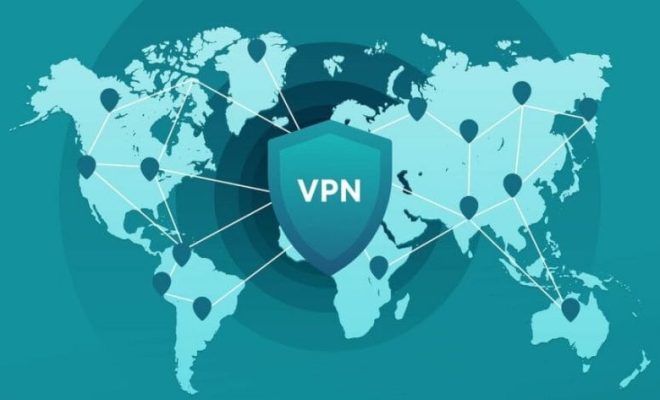
4. Use a VPN: Some ISPs limit speeds based on the type of content being accessed. Using a VPN can hide what you’re doing from your ISP and may prevent throttling based on content. If your internet is significantly faster with VPN than without it, then throttling could be at play.

5. Check for Data Caps: Some ISPs have data caps, and once these limits are exceeded, they will slow down your speeds drastically. Review your plan’s terms and conditions to see if data caps are applied.

6. Use Glasnost or Similar Tools: Tools like Glasnost were designed to test if your ISP is shaping traffic – essentially slowing down certain types of data – which can help identify if specific services are being targeted for throttling.

7. Reach Out to Customer Service: Sometimes asking directly can yield answers. Contact customer support and ask them about any possible limitations put in place on their service based out on data usage or time spent streaming.

8. Check with Neighbors or Online Communities: Finding out if others with the same ISP are having similar issues can signal whether an issue is widespread and therefore likely due to ISP policies rather than individual connection problems.

9. Consult Technical Support: If all other evidence points towards throttling but you still don’t have conclusive proof, contacting an IT professional or technical support service can help you investigate further through more sophisticated means.

By following these steps, you can gather enough information to determine whether your slow internet speeds are due to ISP throttling or other issues like hardware problems or temporary network congestion. If you do find out you’re being unfairly limited, knowing this empowers you to negotiate with your current provider or consider switching companies to receive the service that best meets your needs.

Previous Article

Maximize Your Battery’s Life Span to Avoid ...

Next Article

WindMar Solar Review: A Long Track Record ...

Matthew Lynch

Related articles More from author

  • Cybersecurity

    Top 10 Best VPNs in the USA to Hide Your Location (2024)

    March 27, 2024
    By Matthew Lynch
  • CybersecurityEdTech & Innovation

    How to Secure API Connections?

    July 6, 2022
    By Matthew Lynch
  • Cybersecurity

    Mobile App Security Best Practices for Developers

    March 12, 2024
    By Matthew Lynch
  • Cybersecurity

    Securing Your Bitcoin Wallet: Best Practices for Safe Storage

    March 11, 2024
    By Matthew Lynch
  • Cybersecurity

    How to Check for Bank Accounts You Didn’t Sign Up For

    January 30, 2024
    By Matthew Lynch
  • Cybersecurity

    Why and How to Temporarily Disable Your VPN

    February 1, 2024
    By Matthew Lynch

Search

Login & Registration

  • Log in
  • Entries feed
  • Comments feed
  • WordPress.org

Newsletter

Signup for The Tech Edvocate Newsletter and have the latest in EdTech news and opinion delivered to your email address!

About Us

Since technology is not going anywhere and does more good than harm, adapting is the best course of action. That is where The Tech Edvocate comes in. We plan to cover the PreK-12 and Higher Education EdTech sectors and provide our readers with the latest news and opinion on the subject. From time to time, I will invite other voices to weigh in on important issues in EdTech. We hope to provide a well-rounded, multi-faceted look at the past, present, the future of EdTech in the US and internationally.

We started this journey back in June 2016, and we plan to continue it for many more years to come. I hope that you will join us in this discussion of the past, present and future of EdTech and lend your own insight to the issues that are discussed.

Newsletter

Signup for The Tech Edvocate Newsletter and have the latest in EdTech news and opinion delivered to your email address!

Contact Us

The Tech Edvocate
910 Goddin Street
Richmond, VA 23231
(601) 630-5238
[email protected]

Copyright © 2026 Matthew Lynch. All rights reserved.