Mastering Chicken Breast: Juicy & Tender Every Time
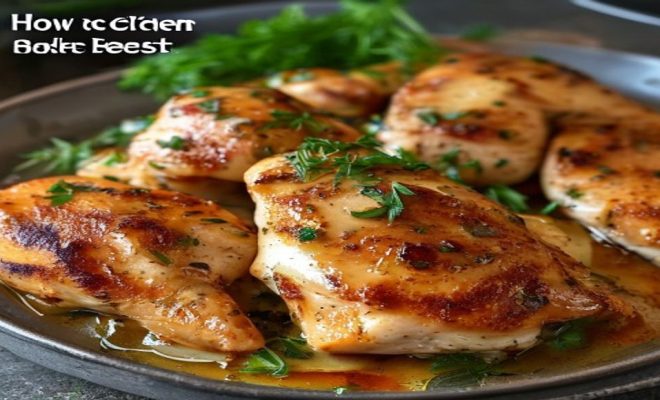
“`html
Cooking chicken breast can often be a daunting task, especially when you aim for that perfect balance of moisture, flavor, and tenderness. But fear not! In this article, we’ll explore how to cook chicken breast with practical techniques, valuable insights, and tips from the pros. Whether you’re a novice in the kitchen or an experienced chef, these guidelines will help you master the art of cooking chicken breast.
1. Understanding Chicken Breast: The Protein Powerhouse
Chicken breast is one of the most popular cuts of poultry, prized for its lean protein content and versatility. A 3.5-ounce (100-gram) serving of cooked chicken breast contains about 31 grams of protein and only 3.6 grams of fat. This makes it an ideal choice for those looking to maintain a healthy diet without sacrificing flavor.
Unlike darker cuts of chicken, such as thighs or drumsticks, chicken breast lacks the fat that contributes to moisture. This is why understanding how to cook chicken breast properly is crucial. Overcooking can lead to a dry and rubbery texture, so mastering cooking methods is essential for achieving that juicy, tender result.
2. Selecting the Right Chicken Breast: Fresh vs. Frozen
Before you even start cooking, choosing the right chicken breast is a fundamental step. Fresh chicken breast is often more flavorful and has a better texture compared to frozen. However, frozen chicken can be a convenient option that is often more affordable. If you go with frozen, ensure that you thaw it properly before cooking—preferably in the refrigerator for a day or in cold water for a few hours.
Also, consider the source of your chicken. Organic and pasture-raised chickens may offer a richer flavor and a more ethical choice. Always check the label for any additives or preservatives, particularly in pre-packaged chicken breasts.
3. Marinating: Infusing Flavor
One of the best ways to enhance the flavor of chicken breast is through marination. A good marinade can add moisture and infuse delicious flavors. Typically, a basic marinade consists of an acid (like lemon juice or vinegar), oil, and seasonings. Aim for a minimum of 30 minutes to an hour for marination, though longer (up to 24 hours) will yield even better results.
For example, a simple marinade could include olive oil, fresh garlic, lemon juice, salt, and pepper. The acid helps to tenderize the meat, while the oil helps to keep it moist during cooking. Experimenting with ingredients like yogurt, honey, or soy sauce can also create exciting flavor profiles.
4. Cooking Methods: Exploring Different Techniques
Knowing how to cook chicken breast effectively involves understanding various cooking methods. Here are a few popular techniques:
- Grilling: Grilling chicken breast gives it a smoky flavor and beautiful grill marks. Preheat your grill and cook over medium-high heat for about 6-8 minutes per side.
- Baking: Baking is a straightforward method that allows for even cooking. Bake at 375°F (190°C) for 20-30 minutes, depending on thickness.
- Searing: Searing in a pan can create a delicious crust. Start on the stove and finish in the oven for a perfectly cooked breast.
- Poaching: Poaching is a gentle method that retains moisture. Simmer chicken breast in water or broth for about 15-20 minutes.
Each method has its unique benefits, and experimenting with them can lead to delightful outcomes.
5. Temperature Control: The Key to Juiciness
When it comes to cooking chicken breast, temperature control is paramount. The USDA recommends cooking chicken to an internal temperature of 165°F (75°C) to ensure it is safe to eat. However, pulling the chicken off the heat source at around 160°F (71°C) and letting it rest can result in a juicier breast. During the resting phase, the chicken will continue to cook slightly, reaching the safe temperature without drying out.
Using a meat thermometer is the best way to monitor this accurately. Insert the thermometer into the thickest part of the breast for the most reliable reading. This small tool can make a significant difference in achieving that perfect cook.
6. Resting Time: Why It Matters
Many home cooks overlook the importance of resting meat after it’s been cooked. When chicken breast cooks, the juices move toward the center. If you cut into it immediately, those juices will escape, leading to a dry piece of meat. Allowing the chicken to rest for about 5-10 minutes before slicing enables the juices to redistribute throughout the breast, resulting in a more flavorful and moist piece of chicken. (See: Nutritional benefits of chicken breast.)
Cover the chicken with foil while it rests to keep it warm. This small step can elevate your dish from average to exceptional.
7. Serving Suggestions: Pairing for Perfection
Once you’ve mastered how to cook chicken breast, the next step is figuring out how to serve it. Chicken breast pairs well with a variety of sides. Classic accompaniments include steamed vegetables, rice, or a fresh salad. Consider adding a sauce or a topping to enhance flavor. For example, a lemon butter sauce or a spicy salsa can elevate your dish to new heights.
You can also shred or dice cooked chicken breast to use in salads, sandwiches, or tacos. The versatility of chicken breast means you can enjoy it in a myriad of ways, making it a staple in any kitchen.
8. Common Mistakes to Avoid: Learning from Experience
Even experienced cooks can make mistakes when preparing chicken breast. Here are some common pitfalls to watch out for:
- Overcooking: This leads to toughness and dryness. Keeping an eye on cooking times and using a thermometer can help.
- Skipping marination: Not marinating can result in bland chicken. Take the time to infuse flavor.
- Not resting: Cutting too soon can waste all the effort put into cooking it right.
By avoiding these mistakes, you’ll be well on your way to producing delicious chicken every time.
9. Innovative Recipes: Getting Creative with Chicken Breast
To keep things interesting, why not explore some innovative recipes using chicken breast? Here are a few ideas to spark your creativity:
- Stuffed Chicken Breast: Fill with spinach and feta or cream cheese and herbs for a gourmet touch.
- Chicken Piccata: Cook chicken in a lemon-caper sauce for a tangy and flavorful dish.
- Honey Garlic Chicken: A quick stir-fry with honey, garlic, and soy sauce brings a sweet and savory profile.
These recipes can turn a simple chicken breast into a culinary delight that impresses family and friends alike.
10. Chicken Breast Nutrition: A Closer Look
Understanding the nutritional profile of chicken breast can help you make more informed choices in your cooking and meal planning. Besides being a great source of protein, chicken breast is low in carbohydrates and contains vitamins and minerals that are essential for your health.
For instance, chicken breast is a good source of B vitamins, including niacin (B3) and vitamin B6. These vitamins play an important role in energy metabolism and neurological function. Additionally, chicken breast contains phosphorus, which is essential for maintaining healthy bones and teeth, and selenium, a powerful antioxidant that helps protect the body from oxidative stress.
When considering how to cook chicken breast, it’s also worth noting that the nutritional benefits can be maximized through healthy cooking methods. For example, grilling or baking with minimal oil will help keep the calorie count low while preserving the chicken’s nutritional value.
11. Preparing Chicken Breast for Cooking: Essential Steps
Before diving into cooking, taking a few preparatory steps can enhance your cooking experience and the final dish. Start by trimming any visible fat from the chicken breast. This not only improves the presentation but also helps reduce unwanted grease during cooking.
Next, consider flattening the chicken breast for even cooking. This can be done by placing it between two pieces of plastic wrap and gently pounding it with a mallet or rolling pin. Flattening helps to ensure that the chicken cooks uniformly and can significantly reduce cooking time.
Lastly, seasoning your chicken breast with salt and pepper before marinating or cooking can help enhance the flavor. A light sprinkle of seasoning allows the flavors to penetrate better and can make a notable difference in the final taste. (See: Understanding protein intake recommendations.)
12. Flavoring Options: Beyond Basic Seasoning
While salt and pepper are essential, don’t hesitate to get creative with your flavoring options. Consider using spices like paprika, cumin, or smoked paprika for depth and warmth. Fresh herbs like thyme, rosemary, or oregano can also add fragrant notes that elevate your chicken dish.
If you’re in a hurry or looking for convenience, spice blends such as Italian seasoning, Cajun spice, or even curry powder can provide a quick flavor boost. Rub the chosen spices into the chicken before marination or cooking for the best results.
Don’t forget about sauces! A honey mustard glaze, barbecue sauce, or even a teriyaki sauce can bring a whole new twist to your chicken breast, transforming it into a flavorful main course.
13. Cooking Chicken Breast in Advance: Meal Prep Tips
If you’re looking to save time during the week, cooking chicken breast in advance is a great option. Cooked chicken breast can be refrigerated for up to four days or frozen for longer storage. Simply prepare your chicken breast using your preferred cooking method, let it cool, and then store it in an airtight container.
When freezing, consider cutting the chicken into portions before freezing it. This allows you to take out only what you need for a meal without having to thaw the entire batch. If you’re planning to use the chicken throughout the week, consider making a variety of marinades to change up the flavors of the chicken.
Using cooked chicken breast in salads, wraps, or stir-fries can make for quick and healthy meals that require minimal effort during busy weeknights. Just reheat the chicken or toss it cold directly into your dish for added convenience.
14. Expert Tips: Learning from the Professionals
Sometimes, learning from those who have mastered the craft can provide insights that significantly improve your own cooking skills. Here are a few expert tips from chefs and culinary professionals:
- Brine Your Chicken: A simple brine solution of water and salt (and optional sugar) can enhance moisture and flavor. Soaking the chicken in brine for a few hours before cooking can yield juicy results.
- Experiment with Temperature: Chefs often suggest cooking chicken breast at a slightly lower temperature for a longer time. This method allows for more control and can prevent overcooking.
- Don’t Be Afraid to Try New Flavors: Be adventurous with your spices and marinades. Chefs frequently encourage experimenting with international flavors to keep your palate excited.
15. FAQ: Cooking Chicken Breast
Q1: How can I tell if chicken breast is cooked through?
A1: The best way to check if chicken breast is cooked is by using a meat thermometer. It should read 165°F (75°C) in the thickest part. Alternatively, the juices should run clear when cut, and the meat should no longer be pink.
Q2: How do I make chicken breast more flavorful?
A2: Marinating is your best bet for infusing flavor. Use a mix of acidic ingredients (like vinegar or citrus juice), oil, and spices. You can also season generously before cooking, or use flavor-packed sauces post-cooking.
Q3: Can I cook chicken breast from frozen?
A3: Yes, you can cook chicken breast from frozen, but it will require a longer cooking time. Ensure that it reaches an internal temperature of 165°F (75°C) for safety. It’s usually best to thaw chicken breast before cooking for more even results.
Q4: What is the best way to reheat cooked chicken breast?
A4: The best way to reheat chicken breast is in the oven at a low temperature, around 325°F (163°C), until warmed through. Adding a splash of broth can help maintain moisture. Alternatively, you can use a microwave on a reduced power setting, covered to retain moisture.
Q5: How can I make chicken breast tender?
A5: To ensure chicken breast stays tender, avoid overcooking it, as this can lead to toughness. Marinating, brining, and using methods like poaching can also help maintain tenderness. (See: Importance of a healthy diet.)
Q6: What are some popular global chicken breast dishes?
A6: Chicken breast is a versatile ingredient featured in many global cuisines. For instance, you can find Chicken Tikka Masala in Indian cuisine, which involves marinated chicken pieces cooked in a rich tomato sauce. In Mediterranean cuisine, Lemon Chicken with olives and artichokes is a refreshing option. Meanwhile, in Mexican cooking, you may enjoy Chicken Enchiladas, where shredded chicken breast works wonderfully as a filling.
Q7: Can I use chicken breast leftovers in other dishes?
A7: Absolutely! Leftover chicken breast can be a fantastic addition to many meals. You can use it in stir-fries, salads, sandwiches, or as a filling for tacos. It’s a great way to create quick meals throughout the week while minimizing food waste.
Q8: What is the best way to store cooked chicken breast?
A8: Store cooked chicken breast in an airtight container in the refrigerator for up to four days. If you want to keep it longer, freezing it is a good option. Just make sure it’s well-wrapped to prevent freezer burn.
16. Tips for Cooking Chicken Breast in an Air Fryer
Air fryers have gained popularity for their ability to cook food quickly while reducing the amount of oil needed. Here are some tips for cooking chicken breast in an air fryer:
- Preheat the Air Fryer: Just like with traditional cooking methods, preheating your air fryer ensures even cooking. Set it to 375°F (190°C) for the best results.
- Don’t Overcrowd the Basket: Give each chicken breast enough space for hot air to circulate, which is crucial for achieving a crispy exterior.
- Check Doneness Early: Depending on the thickness, chicken breast may cook faster in the air fryer than other methods. Start checking for doneness at around 12 minutes.
- Experiment with Cooking Times: Depending on the size of your chicken breast, you may need to adjust cooking times. Thinner pieces will cook quicker, while thicker ones may take longer.
Following these tips can help you achieve perfectly cooked, juicy chicken breast using this modern cooking tool.
17. Combining Chicken Breast with Other Proteins
If you’re looking to diversify your protein intake, consider combining chicken breast with other proteins in your meals. For instance, mixing chicken with shrimp can create a delightful surf and turf stir-fry. Or, try combining diced chicken breast with beans in a hearty chili for added fiber and nutrition.
Also, chicken breast pairs beautifully with tofu for a vegetarian option. Marinate both proteins in a flavorful sauce and bake or grill them together for a unique twist on traditional recipes. This approach not only enhances flavors but also adds different textures to your dish.
In mastering how to cook chicken breast, you’ve opened the door to a world of possibilities in the kitchen. From understanding the basics to exploring advanced techniques, this versatile protein can be the centerpiece of countless meals. So, roll up your sleeves, embrace the process, and enjoy delicious, perfectly cooked chicken breast every time!
“`
Trending Now
Frequently Asked Questions
What is the best way to cook chicken breast?
The best way to cook chicken breast is to use methods that retain moisture, such as baking, grilling, or poaching. Each method allows for even cooking and helps avoid dryness. Additionally, marinating the chicken beforehand can enhance flavor and tenderness.
How do I keep chicken breast from drying out?
To prevent chicken breast from drying out, avoid overcooking by using a meat thermometer to check for doneness at 165°F (75°C). Marinating the chicken and letting it rest after cooking also helps maintain moisture.
Should you marinate chicken breast before cooking?
Yes, marinating chicken breast before cooking is highly recommended. It infuses flavor and helps tenderize the meat, resulting in a juicier and more flavorful dish. Aim to marinate for at least 30 minutes or up to overnight for the best results.
Is it better to cook chicken breast frozen or thawed?
It is generally better to cook chicken breast thawed rather than frozen. Cooking from frozen can lead to uneven cooking and a rubbery texture. If using frozen chicken, ensure it is properly thawed in the refrigerator or cold water before cooking.
What is the nutritional value of chicken breast?
A 3.5-ounce (100-gram) serving of cooked chicken breast contains approximately 31 grams of protein and only 3.6 grams of fat. This makes it a lean protein source ideal for those looking to maintain a healthy diet.
Agree or disagree? Drop a comment and tell us what you think.