Your Dream Wedding Dress: A Complete Selection Guide
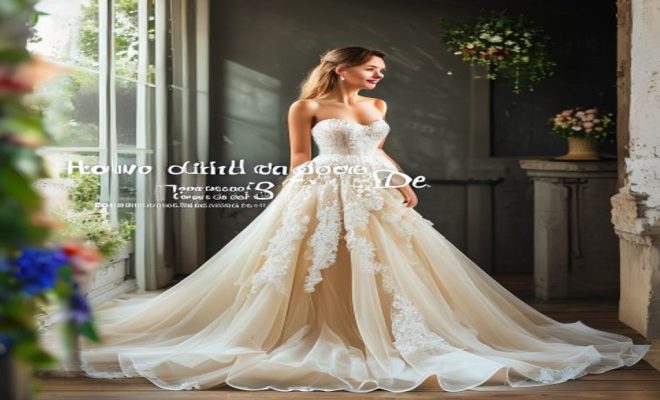
“`html
Choosing the perfect wedding dress is a monumental task for any bride-to-be. With countless styles, fabrics, and silhouettes available, it’s easy to feel overwhelmed. In this wedding dress selection guide, we’ll break down the key aspects you need to consider in your quest for the gown that will make you feel beautiful on your special day.
1. Understanding Your Body Type
Your body type plays a crucial role in determining which wedding dress will flatter your figure. It’s essential to embrace your shape and choose a dress that enhances your best features. Here are some common body types and suggestions for dress styles:
- A-Frame: If you’re pear-shaped, look for A-line dresses that flow from the waist, balancing out your hips.
- Hourglass: For those with an hourglass shape, fitted dresses or mermaid styles that accentuate your waist will work beautifully.
- Apple: If you carry weight around your midsection, empire waist dresses that gather just under the bust can create a flattering silhouette.
- Rectangle: For straight shapes, ball gowns can add volume and create curves where you want them.
Understanding your body type not only helps narrow down your options but also boosts your confidence as you select a dress that feels uniquely you.
2. Setting a Budget
Before diving into the shopping experience, setting a budget is crucial. Wedding dresses can range dramatically in price, so it’s essential to have a clear figure in mind. Your budget should cover not only the cost of the dress itself but also alterations, accessories, and cleaning.
Consider the following tips when setting your budget:
- Research average prices in your area for the style you desire.
- Factor in the cost of alterations, which can add anywhere from $100 to $500 depending on the complexity.
- Don’t forget about additional expenses like preservation or cleaning after the wedding.
By having a clear budget, you can avoid the heartache of falling in love with a dress that is way out of your price range.
3. Choosing the Right Fabric
The fabric of your wedding dress will significantly influence the overall look and feel. Different materials drape differently and have various weights, affecting comfort and style. Here are some popular wedding dress fabrics to consider:
- Satin: Known for its luxurious sheen, satin is a popular choice for structured gowns.
- Lace: Lace adds a romantic and vintage feel to a dress, great for intricate detailing.
- Chiffon: Lightweight and flowy, chiffon is ideal for soft and ethereal gowns.
- Tulle: Often used in skirts for volume, tulle can create a dreamy, fairy-tale effect.
When selecting fabric, consider the climate of your wedding day. A heavier fabric may be too warm for a summer wedding, while lighter fabrics can be more comfortable in warmer weather.
4. Finding Your Personal Style
Your wedding dress should reflect your personal style. Take time to explore what makes you feel beautiful. Are you drawn to classic, timeless designs, or do you prefer something modern and edgy? Here are some ways to identify your style:
- Create a vision board with images of dresses you love, noting consistent elements.
- Consider your daily wardrobe to see what styles you feel most comfortable in.
- Look for inspiration in bridal magazines, blogs, and social media.
Remember, your wedding dress should be an extension of yourself, making you feel confident and radiant on your big day. (See: Wikipedia on wedding dresses.)
5. Shopping at the Right Time
The timing of your wedding dress shopping can impact your experience significantly. Ideally, you should start looking for a dress about 6 to 9 months before your wedding day. This allows ample time for fittings and alterations. Here are some tips for shopping at the right time:
- Weekdays are usually less crowded in bridal boutiques, giving you more personalized attention.
- Try to avoid shopping during peak wedding season (spring and summer) when the selection may be limited.
- Don’t forget to factor in time for special orders and shipping if you’re considering a designer dress.
Planning ahead ensures that your dress experience is as stress-free as possible.
6. Involving the Right People
Who you take with you to shop for your wedding dress can greatly affect your experience. Choose a small group—ideally, individuals who know your style and will support your vision. Here are some considerations:
- Limit your entourage to a few trusted friends or family members to avoid overwhelming opinions.
- Consider inviting a friend who is not afraid to offer honest feedback.
- Remember that you are the one who will wear the dress, so prioritize your comfort and preferences.
Having the right support can enhance your experience and help you stay focused on what you truly want.
7. Trusting Your Instincts
After trying on several dresses, it’s common to feel pressure to make a decision. However, trusting your instincts is crucial in this process. If you find a dress that makes you feel beautiful, don’t be afraid to say yes! Here’s why:
- Your feelings are a powerful indicator of whether a dress is the one for you.
- Don’t let external opinions sway your choice; your wedding is about you.
- Remember that alterations can help tailor the dress to fit perfectly, so keep an open mind about changes.
Ultimately, the perfect wedding dress is one that resonates with your heart, reflects your personality, and makes you feel stunning on your big day.
8. Understanding Different Dress Styles
Beyond body types and personal preferences, understanding different wedding dress styles can help refine your search. Each style has its own unique charm and can cater to various tastes and themes. Here’s a quick overview of popular wedding dress styles:
- A-Line: This style is fitted to the waist and flows out to the ground, resembling the shape of a capital letter “A.” It’s flattering for almost any body type.
- Ball Gown: Often considered the classic fairy-tale dress, the ball gown features a fitted bodice and a voluminous skirt. It’s perfect for a formal wedding.
- Mermaid: This style hugs the body from the chest to the knee and flares out at the bottom, highlighting curves beautifully.
- Sheath: A sheath dress is a fitted silhouette that typically runs straight down from the neckline to the hem, ideal for a sleek, modern look.
- Tea-Length: Falling between the knee and ankle, tea-length dresses offer a vintage vibe, perfect for casual or outdoor weddings.
Understanding these styles will not only help you communicate your preferences when shopping but will also inspire you as you envision your dream dress.
9. Accessorizing Your Dress
Once you’ve chosen the perfect dress, it’s time to think about accessories. Remember, the right accessories can transform your look and complete your wedding day ensemble. Here are some key accessories to consider:
- Veils: A traditional choice, veils come in various lengths and styles. Consider how your veil complements the dress and your hairstyle.
- Jewelry: Decide whether you prefer statement pieces or subtle accents. A beautiful necklace or pair of earrings can enhance your gown without overshadowing it.
- Belts or Sashes: Adding a belt or sash can define your waist and add a pop of color or sparkle.
- Bridal Shoes: Your shoes should be stylish yet comfortable, especially if you’ll be on your feet for an extended period. Think about the venue and choose accordingly.
- Wraps or Jackets: If your wedding is in a cooler climate, consider a wrap, shawl, or jacket that complements your dress.
When selecting accessories, ensure they align with the overall theme and style of your wedding, ensuring a cohesive look.
10. Preparing for Fittings
Fittings are an exciting and essential part of the wedding dress selection process. They ensure your dress fits perfectly and reflects your vision. Here are some tips to prepare for fittings: (See: CDC on body image and confidence.)
- Wear the Right Undergarments: Bring the undergarments you plan to wear on your wedding day. This includes shapewear, bras, and anything else that will affect how the dress fits.
- Bring Your Shoes: If possible, wear the shoes you plan to wear on your wedding day to get a true sense of how the dress length fits with your heels.
- Communicate Your Vision: Be open and honest with your seamstress about any specific concerns or changes you envision. They can provide valuable suggestions.
- Be Patient: Remember that alterations can take time, especially if they are extensive. Schedule your fittings well in advance.
- Stay Flexible: Sometimes, a dress may require more alterations than expected. Be prepared to adjust your vision slightly for the best outcome.
Ultimately, fittings are about making your dress the perfect fit for your body and style, so enjoy the process!
11. Common Questions About Wedding Dress Selection
As you embark on your wedding dress journey, you’ll likely have plenty of questions. Here are some common queries and answers that may help alleviate your concerns:
What is the best time of year to buy a wedding dress?
While you can shop year-round, many brides find great deals during trunk shows or sample sales, often held in late winter or early spring. Late summer can also be a good time to shop for discounted dresses from the previous season.
How many dresses should I try on?
There’s no magic number, but many brides try on between 5 to 15 dresses. It’s essential to strike a balance—try enough to explore various styles but not so many that you feel overwhelmed.
How do I care for my wedding dress after the big day?
After your wedding, proper care is vital to preserve your dress. Many brides opt for professional cleaning and preservation to ensure it stays in pristine condition. Look for a service that specializes in bridal gowns to avoid any damage.
Can I customize my wedding dress?
Many designers offer customization options, from altering necklines to changing sleeve styles. If you have a specific vision, discuss this with your bridal boutique early on to see what options are available.
What should I bring to my dress fitting?
Along with the undergarments and shoes mentioned earlier, consider bringing a trusted friend or family member for support. They can help you see how the dress looks from different angles and provide feedback.
What if I lose or gain weight before the wedding?
Weight fluctuations can be common before the big day. Many bridal boutiques build in extra fabric into the dress during alterations, so minor changes can be adjusted. Be sure to communicate any concerns with your seamstress as soon as possible.
12. Understanding Trends in Wedding Dresses
Fashion trends can play a significant role in wedding dress selection. While timeless styles will always have their place, it’s interesting to see how trends evolve and what’s becoming popular among modern brides. Here are some current trends worth considering:
- Minimalism: Clean lines and simple designs are increasingly popular. Think about sleek, elegant dresses that focus on cut and fabric rather than excessive embellishments.
- Bold Colors: While white remains a classic, many brides are opting for colored dresses. Shades like blush, champagne, or even vibrant hues are making waves in the bridal scene.
- Statement Sleeves: Puff sleeves, off-the-shoulder designs, and other unique sleeve styles are trending, giving a modern twist to traditional silhouettes.
- Two-Piece Sets: Separates are gaining traction, allowing brides to mix and match tops and skirts for a personalized look.
- Vintage Revival: Lace and retro silhouettes inspired by the past are seeing a renaissance, appealing to brides who appreciate classic elegance.
Staying informed about trends can help inspire your choices, but remember that your wedding dress should ultimately reflect your own style, regardless of what’s currently in vogue. (See: New York Times on wedding dress shopping.)
13. Bridal Boutiques vs. Online Shopping
As you embark on your wedding dress journey, you’ll face the choice between shopping at bridal boutiques or online. Both options have their advantages and drawbacks.
- Bridal Boutiques: Shopping in-person at boutiques allows you to try on dresses, get a feel for the fabric, and receive personalized assistance from consultants. You can also enjoy the experience with your family or friends.
- Online Shopping: On the other hand, shopping online offers convenience and often a wider range of options. Many retailers offer virtual try-on tools or sample programs, although sizing can be trickier without trying a dress on first.
Consider your comfort level with purchasing online and how important the in-store experience is to you. Some brides find that a combination of both approaches works best—trying on dresses in-store and then ordering online for better pricing options.
14. The Importance of Timeline and Scheduling
Timing your wedding dress selection process is crucial to ensure everything runs smoothly. Here are a few key milestones to keep in mind:
- Start Shopping Early: Aim to begin your search at least 6 to 9 months before your wedding. This gives you ample time for fittings and alterations.
- Scheduling Appointments: Book your boutique appointments well in advance, especially if you’re shopping during peak seasons. Many boutiques can get booked quickly, so it’s wise to secure your spot early.
- Factor in Shipping Times: If you’re ordering from an out-of-town designer, check shipping times. Custom dresses can take several months to arrive, so plan accordingly.
- Final Fitting Schedule: Plan your final fitting for at least one month before the wedding to allow for any last-minute adjustments.
Sticking to a timeline will help alleviate stress and ensure you have the perfect dress ready for your big day.
15. Creating a Wedding Dress Selection Checklist
To help you stay organized during your search, consider creating a wedding dress selection checklist. This can serve as a handy tool to track your thoughts, preferences, and details. Here’s a sample checklist to get you started:
- Body Type Consideration: Note what dress styles flatter your figure.
- Budget: Set a clear budget for your dress and accessory expenditures.
- Fabric Preferences: List your preferred fabrics based on comfort and style.
- Styling Elements: Consider additional elements such as sleeves, neckline, and train length.
- Accessorizing Notes: Make notes on potential accessories that will complement your dress.
- Fitting Schedule: Keep track of your fitting dates and any changes needed.
Having a checklist can streamline the process and ensure you don’t overlook any important details in your wedding dress selection journey.
In this wedding dress selection guide, navigating the journey of choosing a wedding dress can be an emotional rollercoaster, but with the tools and tips provided, you’re equipped to make informed choices. Take the time to understand your body type, set a realistic budget, explore different styles, choose suitable fabrics, and trust your instincts. Your dream wedding dress is out there waiting for you!
“`
Trending Now
Frequently Asked Questions
How do I choose the right wedding dress for my body type?
To choose the right wedding dress for your body type, first identify your shape: A-frame, hourglass, apple, or rectangle. A-line dresses work well for pear shapes, fitted or mermaid styles flatter hourglass figures, empire waist dresses suit apple shapes, and ball gowns add volume for straight shapes. Embrace your unique figure to find a dress that enhances your best features.
What should I consider when setting a budget for a wedding dress?
When setting a budget for your wedding dress, consider the total cost including the dress, alterations, accessories, and cleaning. Research average prices in your area for your desired style, and remember that alterations can range from $100 to $500, depending on complexity. Having a clear budget helps you avoid overspending and disappointment.
What styles of wedding dresses are best for different body shapes?
Different body shapes benefit from specific wedding dress styles. A-line dresses flatter pear shapes, fitted or mermaid styles suit hourglass figures, empire waist dresses are ideal for apple shapes, and ball gowns create volume for rectangle shapes. Understanding your body type can help you select a dress that enhances your silhouette beautifully.
How can I feel confident in my wedding dress choice?
To feel confident in your wedding dress choice, focus on understanding your body type and selecting a dress that highlights your best features. Embrace your unique shape, set a realistic budget, and remember to choose a style that reflects your personal taste. Confidence comes from feeling comfortable and beautiful in your gown on your special day.
What are the most important factors to consider when buying a wedding dress?
The most important factors to consider when buying a wedding dress include understanding your body type, setting a budget, and knowing your personal style. Additionally, consider the dress's comfort, fabric, and how it makes you feel. Taking these factors into account will help you find a gown that is perfect for your wedding day.
Have you experienced this yourself? We'd love to hear your story in the comments.