Rug Size Guide: Choose the Perfect Rug for Your Room
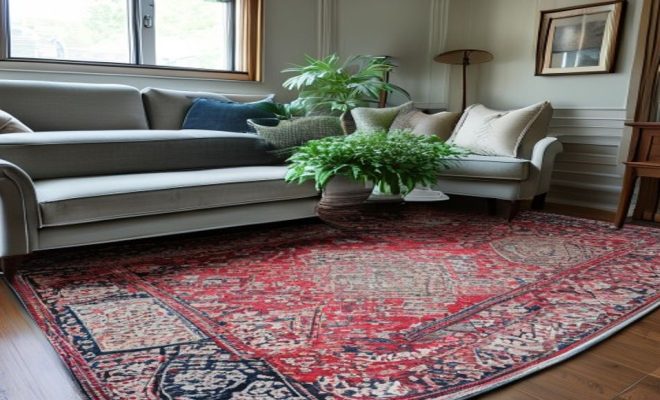
“`html
Choosing the right rug size can completely transform a room, enhancing both its aesthetic appeal and functionality. Whether you’re redecorating an entire space or simply adding some flair, understanding how to select the correct rug size is crucial. In this comprehensive rug size guide, we’ll explore essential considerations, practical insights, and effective tips to help you make an informed decision that fits your design vision.
1. Understanding Room Dimensions
The first step in your rug selection process is to measure the dimensions of your room accurately. Use a tape measure to find the length and width of the space where you plan to place the rug. This information will be crucial in determining what size rug will fit best.
Consider how you use the space. For instance, in a living room, you might want to define a seating area. In this case, a larger rug that can accommodate all the front legs of your furniture is typically recommended. On the other hand, a small accent rug might suffice in a hallway or entryway. Always remember the scale of your room; a small rug can get lost in a large space, while an oversized rug can overwhelm a small area.
2. Common Rug Sizes and Their Uses
Rugs come in various sizes, each serving specific purposes based on their dimensions. Here are some common rug sizes and their typical applications:
- 4’x6′: Ideal for smaller spaces like entryways or in front of a kitchen sink.
- 5’x8′: A versatile size, perfect for small living rooms or as an accent in a bedroom.
- 8’x10′: One of the most popular sizes for living rooms, fitting under a coffee table while allowing for furniture placement.
- 9’x12′: Suitable for larger living rooms or dining areas, providing ample coverage for all furniture.
Understanding these common sizes will help you visualize how a rug might fit in your room. However, it’s essential to consider the layout and the specific furniture arrangement to make the best choice.
3. Rug Placement Techniques
How you position a rug can significantly impact the visual appeal of your space. Here are some popular placement techniques to consider:
- All Furniture on the Rug: For larger rooms, placing all furniture on the rug creates a cohesive look and a defined area.
- Front Legs on the Rug: This approach is common in living rooms, where only the front legs of the sofa and chairs sit on the rug to demarcate the seating area.
- No Furniture on the Rug: In smaller spaces, sometimes a rug can be used purely as a decorative element without any furniture on it.
Choosing a placement technique depends on your furniture arrangement and the flow of the room. Each method creates a different effect, so consider what vibe you want to achieve.
4. Deciding on Rug Shape
Rugs come in various shapes including rectangular, square, round, and runner. The shape you choose should complement both the room’s layout and the furniture arrangement. Rectangular rugs are the most common and versatile, suitable for almost any space.
Round rugs work well in smaller seating areas or under coffee tables, providing a softer look. They can also be great in dining areas where they can highlight a round table. On the other hand, runners are perfect for hallways or narrow spaces, adding a touch of style without occupying too much floor space.
5. Color and Pattern Considerations
Color and pattern play critical roles in a rug’s selection process. When choosing a rug, consider the existing color palette of your room. If your decor is already vibrant, a neutral rug can ground the space. Conversely, in a neutral room, a bold patterned rug can serve as a statement piece.
Additionally, patterns can affect how the size of the rug is perceived. Busy patterns can make a rug feel smaller, while solid colors can create an illusion of a larger space. Take your time to assess how colors and patterns interact with your furniture and décor to strike the right balance. (See: Wikipedia article on rugs.)
6. Material Matters
The material of a rug influences not just its look but also its durability and maintenance needs. Common materials include wool, synthetic fibers, cotton, and jute, each offering unique benefits. Wool rugs tend to be durable and soft, making them a fantastic choice for living rooms. However, they can be more expensive.
Synthetic fibers like polypropylene are generally more affordable and easier to clean, making them suitable for high-traffic areas or homes with pets. Natural fibers such as jute or sisal add texture and warmth, but they may not be as comfortable underfoot. Think about your lifestyle and choose a material that matches your needs.
7. Layering Rugs for Added Depth
Layering rugs is a popular design technique that adds depth and interest to a room. This approach can be especially effective in creating a cozy atmosphere. When layering, start with a larger, neutral rug as your base. Then, add a smaller rug on top to create a focal point.
Consider contrasting textures and patterns when layering. For example, a plush shag rug layered over a flatweave can create visual contrast. Just be cautious about your color choices; too many competing colors can become chaotic. Layering not only allows for more creativity in decor but also can help define different areas within a larger space.
8. Practical Tips for Measuring and Choosing
Measuring for a rug can be tricky, but following a few practical tips can simplify the process. Always measure twice to ensure accuracy. Use painter’s tape to outline the dimensions of the rug on the floor, which helps you visualize how it will fit in your space. This method also allows you to consider how much of your flooring will remain visible, affecting the overall room aesthetic.
When shopping, don’t hesitate to ask for samples or swatches, especially if color matching is a concern. Many retailers offer return policies, which can help if a rug doesn’t work as expected once you see it in your own space. Remember, the right rug should enhance your room, not detract from it.
9. Current Trends in Rug Sizes
As design trends evolve, so do the popular sizes and styles of rugs. In recent years, there has been a shift toward larger, more versatile rugs that can accommodate multiple furniture arrangements. Many homes now favor the 8’x10′ and 9’x12′ sizes, as these can anchor a room effectively.
Furthermore, custom-sized rugs are becoming increasingly popular, allowing homeowners to achieve the exact fit they desire. This trend caters to the unique dimensions of modern homes and apartments, which can sometimes present challenges for conventional rug sizes. Being aware of these trends can help you make a more informed decision that aligns with contemporary design aesthetics.
10. Rug Size and Room Functionality
Different rooms serve different purposes, and the size of your rug can affect how functional a space feels. For example, in a dining room, a rug that extends at least 24 inches beyond the table’s edges ensures that chairs can be pulled out comfortably without catching on the rug’s edge. This size not only enhances usability but also adds to the visual appeal of the dining area.
In bedrooms, the rug size can help define the space. A larger rug that extends beyond the bed gives a more luxurious feel and provides comfort when stepping out of bed. In contrast, a smaller rug can work well in a child’s room, where playfulness and comfort are key.
For bathrooms, smaller rugs can add a touch of warmth without overwhelming the space. A bath mat that fits snugly in front of the sink or bathtub can create a cozy, inviting atmosphere.
11. Choosing Rugs for High Traffic Areas
If you have areas in your home that see a lot of foot traffic, choosing the right rug is crucial. High traffic areas can lead to wear and tear, so you’ll want a rug that is durable and easy to clean. Consider materials like nylon or polyester, which are both sturdy and resistant to stains.
Rugs with low pile heights are also a good option in high-traffic zones since they tend to tolerate wear better and are easier to vacuum. Look for rugs with patterns, as these can help camouflage dirt and stains more effectively than solid colors. (See: CDC on healthy housing environments.)
For outdoor spaces, choosing rugs that are fade-resistant and designed for outdoor use can ensure longevity. These rugs can withstand the elements while still providing that essential comfort and style.
12. Rug Care and Maintenance
Once you’ve found the perfect rug, you’ll want to keep it looking great. Regular maintenance is key, and the care required will depend on the material of your rug. For example, wool rugs might need professional cleaning every couple of years, while synthetic rugs can often be washed with soap and water.
Vacuuming regularly will keep dirt and dust from embedding into the fibers, which is particularly important for homes with pets. If you notice stains, treat them immediately according to the manufacturer’s recommendations. Always test cleaners on an inconspicuous area first to avoid damaging the rug.
Rotating your rug periodically can also help it wear evenly, especially in high-traffic areas. By taking care of your rug, you can extend its life and maintain the beauty it brings to your space.
13. Frequently Asked Questions (FAQ)
What is the best rug size for a living room?
The ideal size for a living room rug generally ranges from 8’x10′ to 9’x12′. This size allows for a cohesive look, especially when all or the front legs of furniture pieces sit on the rug.
How do I know if a rug is too big or too small?
A rug that’s too small can make a room feel disjointed, while one that’s too big can overwhelm the space. A good rule of thumb is for at least the front legs of your furniture to sit on the rug to create unity.
Can I use a rug in a dining room?
Absolutely! Using a rug in a dining room can add warmth and definition to the space. Ensure that the rug is large enough to accommodate the chairs when they are pulled out, typically a minimum of 24 inches beyond the table’s edge.
What is the difference between a rug and a carpet?
Rugs are typically smaller, movable pieces that can be placed anywhere in a room. Carpets, on the other hand, are usually wall-to-wall installations that cover the entire floor. Rugs can be replaced or moved easily, while carpets are more permanent.
How do I maintain my rug’s appearance?
Regular vacuuming, spot treating stains promptly, and professional cleaning every few years (for natural fibers) can keep your rug looking fresh. Avoid direct sunlight to prevent fading, and rotate your rug periodically for even wear.
14. Understanding Rug Sizes in Different Cultures
When exploring the world of rugs, it’s fascinating to see how different cultures prioritize size and style. For instance, traditional Persian rugs often come in larger sizes to accommodate the grandeur of the spaces they’re placed in, showcasing intricate designs that demand attention. These rugs are typically built to withstand years of use while offering a unique aesthetic that reflects cultural heritage. (See: New York Times rug size guide.)
On the other hand, Japanese tatami mats, which are often used in minimalist settings, emphasize smaller, functional sizes that complement the simplicity of Japanese design principles. Here, the rug serves not just as a decorative element but also as an integral part of everyday life, highlighting the importance of natural materials and craftsmanship.
It’s intriguing to see how different cultural backgrounds influence rug sizes and styles. This adds another layer of depth to your decision-making process when selecting a rug for your home.
15. The Environmental Impact of Rug Materials
As you choose a rug, it’s also important to consider the environmental impact of the materials used. Natural fibers like wool and jute are biodegradable and often produced with less environmental harm than synthetic counterparts. However, wool can be resource-intensive to produce, leading to a mixed environmental footprint.
On the other hand, synthetic rugs, while often more affordable and durable, are made from petroleum-based products, raising concerns about sustainability. As consumers become more environmentally conscious, many rug manufacturers are shifting toward sustainable practices, producing rugs made from recycled materials or using eco-friendly dyes.
When choosing a rug, look for certifications such as Global Organic Textile Standard (GOTS) or Oeko-Tex standard, which can guide you toward more sustainable options. By considering the environmental impact, you can make a choice that reflects your values while also enhancing your home.
16. Customizing Your Rug Size
Many retailers now offer customization options, allowing you to create a rug tailored to your specific dimensions and style preferences. Custom rugs can be particularly beneficial for non-standard room shapes or unique furniture arrangements, ensuring a perfect fit. This option may come at a higher price, but it often pays off in terms of aesthetics and utility.
When opting for a custom rug, consider not just the size but also the material, color, and pattern. Think about how your rug will complement your existing décor and sustain through changing trends. Collaborating with a designer can also enhance this process, helping you envision how a custom piece will fit into your overall design scheme.
Choosing the right rug size involves more than just fitting a piece of fabric on the floor. It’s about understanding your space, measuring accurately, and considering the overall design of the room. With this rug size guide, you’ll be prepared to make choices that not only fit your aesthetic but also enhance the comfort and functionality of your home.
“`
Trending Now
Frequently Asked Questions
What size rug do I need for my living room?
For a living room, an 8'x10' rug is commonly recommended as it fits under a coffee table and accommodates all the front legs of your furniture. This size helps define the seating area, enhancing both aesthetics and functionality.
How do I measure a room for a rug?
To measure a room for a rug, use a tape measure to find the length and width of the area where you plan to place the rug. Consider the layout and how furniture will be arranged to determine the best rug size for your space.
What are the standard rug sizes?
Common rug sizes include 4'x6' for small spaces, 5'x8' for small living rooms or bedrooms, 8'x10' for larger living rooms, and 9'x12' for dining areas. Each size serves different purposes based on the room's dimensions and layout.
Can a small rug work in a large room?
A small rug can get lost in a large room, often making the space feel unbalanced. It’s usually better to opt for a larger rug that can anchor the furniture and define the room's layout, enhancing the overall design.
How do I choose the right rug size?
Choosing the right rug size involves measuring your room, considering the layout, and understanding the purpose of the rug. Aim for a size that complements your furniture arrangement and enhances the room's aesthetic without overwhelming the space.
Have you experienced this yourself? We’d love to hear your story in the comments.