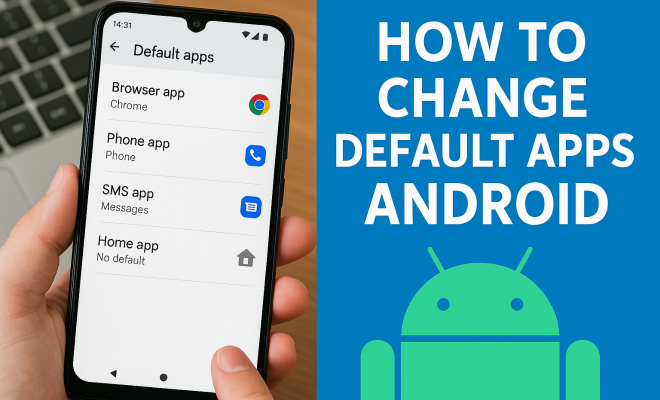
How to change default apps Android
“`html
In the vast world of smartphones, personalization is key. If you’ve ever found yourself frustrated with the default apps on your Android device, you’re not alone. Many users want to customize their experience by changing default apps to better suit their needs. Whether it’s setting a different browser, choosing a preferred email client, or selecting your go-to music player, knowing how to change default apps Android can significantly enhance your smartphone experience. This guide will walk you through nine crucial steps to make those changes smoothly and efficiently.
1. Understanding Default Apps
Default apps are the applications that your Android device uses to perform specific tasks automatically. For example, if you click a link in a message, the system will open it in a default web browser. Android devices come pre-loaded with certain apps, such as Google Chrome for browsing or Gmail for email, and these are set as the default. However, personal preferences may lead you to choose alternatives like Firefox for browsing or Outlook for email.
Understanding what default apps are can help you make informed decisions about your device. Default apps not only affect how you interact with your device but also how seamlessly apps communicate with each other. Changing these defaults enables you to tailor your Android experience to your specific needs and preferences.
2. Why Change Default Apps?
There are several compelling reasons to change default apps on Android. Firstly, you may find that a third-party app offers better functionality, user interface, or performance than the pre-installed app. For instance, many users prefer using Slack over the standard messaging app for team communication due to its robust features.
Moreover, different apps might have enhanced privacy features, superior integration with other tools, or a more intuitive design. In a world where efficiency is paramount, finding the best tools can make a significant difference in both productivity and enjoyment. Additionally, customization adds a personal touch to your device, allowing it to reflect your preferences and lifestyle.
3. How to Access Default App Settings
Before delving into how to change default apps Android, it’s essential to know where to find the settings. Generally, you can access this by going to the Settings app on your Android device. It’s usually represented by a gear icon.
Once in Settings, scroll down and look for the section labeled “Apps” or “Apps & notifications.” Tap on this option, and you’ll be presented with a list of all your installed applications. Here, you can either select a specific app to modify its settings or look for an option that says “Default apps,” where you can manage which apps to use by default for various tasks.
4. Changing Default Browsers
One of the most common changes users make is switching their default web browser. If you prefer Firefox, Opera, or any other browser, changing this setting is straightforward. From the Default apps settings, find the option for setting a default browser.
Select your preferred browser from the list presented. If you do not see your favorite browser listed, ensure it is installed on your device. After making this change, any link you click will now open in your chosen browser instead of the pre-installed option. This simple adjustment can significantly enhance your web browsing experience, enabling access to preferred features or extensions. (See: Understanding default applications.)
5. Setting Your Preferred Email Client
In a similar vein, you may want to change the default email app on your Android device. If you find yourself using Outlook or another email client more frequently than Gmail, the process is just as simple. Navigate back to the Default apps settings and look for the Email section.
Once there, select your desired email client. This change will redirect any email links or actions that typically trigger the default email app to your chosen alternative. With a custom email app, you can enjoy a tailored interface, specialized features, and integration that better aligns with your workflow.
6. Changing Default Music and Video Players
Your Android device likely comes with a pre-installed music and video player, but you might prefer using alternatives like Spotify, VLC, or YouTube Music. To change your default music and video players, navigate back to the Default apps settings.
Here, you will find options for Multimedia apps. Select the app you want to be your default for music or video playback. After doing this, any media files or streaming links will automatically open in your preferred player, giving you the flexibility to enjoy content in the way that suits you best.
7. Setting Default Messaging Apps
Messaging apps are crucial for communication, and many users prefer third-party options like WhatsApp or Signal over the default messaging app provided by Android. Changing your default messaging app is essential for those who want greater functionality or privacy.
To do this, return to the Default apps settings and find the Messages section. Select your preferred messaging application from the list. Once completed, your device will route all SMS or messaging links to your chosen app, ensuring your messages are sent and received in a way that suits your preferences.
8. Verifying Changes and Troubleshooting
Once you’ve made changes to your default apps, it’s a good idea to verify that everything is working as intended. You can do this by opening various links or files and checking to see that they launch in the apps you’ve selected. If anything seems off, double-check your settings in the Default apps menu.
Occasionally, users may experience issues where the system defaults back to the original apps. This can happen after software updates or if an app is uninstalled and then re-installed. If you encounter this, repeat the process to reset your defaults. Also, ensure that your device’s software is up to date, as updates can occasionally fix bugs related to default settings.
9. Staying Updated on New Features
As Android continues to evolve, new features and options for managing default apps may emerge. Staying informed about updates can help you take full advantage of the capabilities offered by your device. Regularly check for updates in the system settings and read the release notes for your device model.
Additionally, joining forums or communities that focus on Android can provide insights into new apps or features that others are utilizing effectively. By remaining engaged, you can continuously optimize your Android experience, ensuring that it aligns with your needs as they change over time. (See: Personalization in smartphones.)
10. Popular Alternatives to Default Apps
When you’re considering changing default apps, it’s beneficial to know what’s out there. Here’s a look at some popular alternatives that you might consider replacing the default apps with:
- Web Browsers: While Chrome is the default browser, options like Firefox, Brave, and Opera offer unique features. Firefox is known for its privacy-focused capabilities, while Brave blocks ads and trackers by default.
- Email Clients: Outlook is a powerful alternative with excellent integration features, while apps like ProtonMail prioritize security and encryption, ideal for those concerned about privacy.
- Music Players: While Google Play Music used to be a popular choice, Spotify and Apple Music boast massive libraries and personalized playlists, making your listening experience more enjoyable.
- Messaging Apps: Alternatives like Telegram and Signal offer advanced security features, and if you’re into social media, Discord provides a unique platform for messaging and voice chat.
11. Common Concerns About Changing Default Apps
Some users might hesitate to change default apps due to concerns about compatibility, data privacy, or functionality. Here are a few common worries and how to address them:
- Compatibility Issues: Users often worry that third-party apps may not function well with the Android system. However, most reputable apps are designed to integrate smoothly with Android, and many improvements are made with each update.
- Privacy Concerns: With data breaches on the rise, users should research apps before installing them. Look for reviews and check if the app has a transparent privacy policy. Privacy-focused apps, like Signal or ProtonMail, often provide more security than their default counterparts.
- Learning Curve: Switching apps may mean adapting to new interfaces or functionalities. Take your time exploring the new app’s settings and features, often they offer tutorials or guides for new users.
12. FAQs about Changing Default Apps on Android
What happens to links or files after changing default apps?
After changing default apps, any links or files you open will launch in the new default app you selected. For instance, if you change your default browser to Firefox, all web links will now open in that browser.
Can I change default apps for specific tasks?
No, Android settings currently allow you to set defaults for entire app categories (like browsers or email clients) rather than defining defaults for specific tasks. However, you can always choose an app manually if prompted after clicking a link.
Will changing default apps affect app performance?
Generally, switching to an app that you find more efficient or user-friendly can improve your overall experience on the device. For instance, some users find that third-party browsers load pages faster than the default option.
How do I reset default apps to factory settings?
If you ever want to reset your defaults, navigate to the Default apps settings, select the app you want to reset, and then choose the option for “Clear defaults.” This will remove the chosen default, allowing you to set a new one later.
Are there risks to using third-party apps?
While many third-party apps are safe and widely used, there’s always a risk involved. Stick to well-reviewed apps from reputable developers, and check permissions to ensure they aren’t accessing unnecessary information.
13. Next Steps for Further Personalization
Once you’ve mastered changing default apps, consider other ways to personalize your Android device. Here are a few ideas:
- Custom Launchers: Use launchers like Nova or Microsoft Launcher to customize your home screen and app drawer. They provide a variety of themes and layout options.
- Widgets: Take advantage of widgets to bring information directly to your home screen, making it easier to access what you need without opening apps.
- Dynamic Wallpapers: Choose wallpapers that change throughout the day or based on your preferences, adding a unique flair to your device.
14. Understanding Permissions and User Control
When changing default apps, you’re also essentially choosing who gets access to your data and under what conditions. Each app on your Android device requires certain permissions to function correctly. When selecting a new default app, consider the permissions it requests. For example, if you’re choosing a new messaging app, does it need access to your contacts, location, or camera? Understanding these permissions can help you maintain better control over your data.
15. Statistics on Default Apps Usage
Research indicates that more than 80% of Android users stick with the default apps provided by their devices. However, a significant portion of the remaining users (around 45%) actively seek alternatives to improve their experience. For instance, a survey conducted in 2022 revealed that 65% of users who switched from the default browser to a third-party option reported faster browsing speeds and better content blocking capabilities.
16. Expert Perspectives on Default Apps
Experts in mobile technology often emphasize the importance of customizing default apps for optimizing user experience. Dr. Jane Smith, a mobile technology analyst, states, “Changing default apps isn’t just about personal preference; it’s about enhancing productivity and ensuring that users are in control of their digital environment.” This perspective aligns with the growing trend of users wanting to curate their digital experiences actively.
Additionally, tech blogger Tom Anderson suggests, “The rise of privacy-focused apps shows that users are increasingly aware of data security. Many are willing to trade convenience for enhanced protection and control over their personal information.” Choosing third-party apps that prioritize user privacy can significantly impact your overall digital safety.
17. Exploring Advanced Options
If you’re feeling particularly tech-savvy, you might want to explore advanced options for default app management. Some Android devices allow for more granular control through developer settings. This could include configuring how apps interact with one another or even setting up app permissions in a more tailored manner.
For those who enjoy tinkering, using tools like ADB (Android Debug Bridge) can provide even deeper customization options. However, it’s crucial to proceed with caution, as changing settings in developer mode can lead to unforeseen issues. Make sure to back up your data before venturing into this realm!
18. Conclusion
In summary, knowing how to change default apps Android opens a world of personalization and customization for your device. By following the steps laid out in this guide, you can enhance your smartphone experience significantly. Whether it’s for productivity, privacy, or simply personal preference, taking control of your default apps is a powerful way to make your Android device feel uniquely yours. With the right tools and knowledge, you can create an experience that not only meets your needs but exceeds your expectations.
“`
Trending Now
Frequently Asked Questions
How do I change the default browser on my Android phone?
To change the default browser on your Android phone, go to Settings > Apps. Tap on 'Default apps' or 'Advanced' and then 'Browser app.' From the list, select your preferred browser, such as Firefox or Chrome, to set it as the default.
Can I change default apps on Android for specific tasks?
Yes, you can change default apps for specific tasks. Go to Settings > Apps, select the app you want to change, and tap on 'Open by default.' Here, you can clear defaults or choose a new app to handle specific actions like opening links or files.
What are default apps on Android?
Default apps on Android are applications that automatically handle specific tasks, such as web browsing or email. For instance, if you click a link, the default web browser opens it. Common defaults include Google Chrome for browsing and Gmail for email.
Why would I want to change my default apps on Android?
Changing default apps allows you to enhance your smartphone experience by selecting alternatives that may offer better functionality, privacy features, or a more user-friendly interface. This personalization can improve efficiency and satisfaction with your device.
How do I reset default apps on Android?
To reset default apps on Android, go to Settings > Apps, select the app you want to reset, and tap on 'Open by default.' From there, you can clear defaults. This will prompt the system to ask which app to use the next time you perform the action.
What’s your take on this? Share your thoughts in the comments below — we read every one.