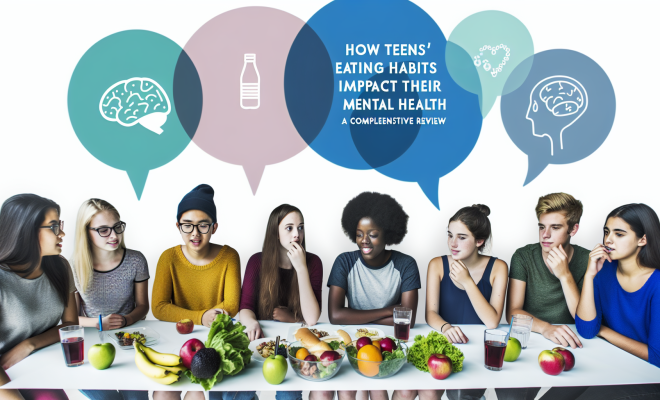
How Teens’ Eating Habits Impact Their Mental Health: A Comprehensive Review
Introduction
In recent years, there has been an increasing interest in the connection between diet and mental health, particularly among adolescents. A significant review conducted by researchers at Swansea University has uncovered compelling evidence that suggests healthier eating patterns in teens may substantially reduce depressive symptoms, while poor dietary habits are linked to heightened psychological distress.
The Research Overview
This comprehensive review analyzed nearly 20 studies focusing on the dietary habits of teenagers and their corresponding mental health outcomes. The findings are crucial, as they emphasize the importance of overall dietary patterns rather than isolating individual nutrients. This holistic perspective is particularly relevant during adolescence, a critical period for brain development and emotional regulation.
Key Findings
- Healthier Diets Linked to Lower Depression Rates: The review highlighted a clear association between the consumption of healthier foods—such as fruits, vegetables, whole grains, and lean proteins—and a reduction in depressive symptoms among teenagers.
- Poor Eating Habits Linked to Psychological Distress: Conversely, diets high in processed foods, sugars, and unhealthy fats were correlated with increased psychological distress, anxiety, and depression.
- Focus on Whole-Diet Approaches: The researchers stressed that the benefits observed were more consistent when assessing the overall dietary patterns rather than focusing solely on specific nutrients.
The Importance of Whole-Diet Approaches
According to Professor Hayley Young, the corresponding author of the study, the findings underscore the necessity of adopting whole-diet approaches in public health strategies aimed at improving adolescent mental health. By emphasizing dietary patterns as a more effective means of fostering mental well-being, health professionals can better address the psychological challenges that many teens face.
Adolescent Brain Development
Adolescence is a unique stage of development characterized by significant physiological and psychological changes. During this time, the brain undergoes substantial transformations that influence behavior, emotional regulation, and decision-making. The review suggests that a nutritious diet could play a pivotal role in supporting healthy brain development, potentially mitigating the risk of mental health issues during this formative period.
Implications for Public Health Strategies
The study’s findings present an opportunity to reshape public health initiatives aimed at adolescents. By prioritizing dietary education and promoting healthier food choices, communities can tackle not only physical health challenges but also mental health concerns among teens.
Recommended Strategies
- Educational Programs: Implementing school-based nutrition education can help teens understand the link between their dietary choices and overall well-being.
- Access to Healthy Foods: Improving access to affordable, nutritious foods in communities, especially in underserved areas, can empower teens to make healthier choices.
- Encouraging Family Meals: Promoting family meals can facilitate healthier eating habits and foster stronger familial relationships, which are crucial during adolescence.
Need for Further Research
While the findings of this review are promising, the authors also call for further high-quality studies to explore the nuances of dietary patterns and their specific effects on mental health. Identifying the most effective dietary combinations and understanding the mechanisms underlying these connections will be essential for developing targeted interventions.
Conclusion
The link between diet and mental health is increasingly evident, especially in adolescents. As the research from Swansea University illustrates, healthier dietary patterns are associated with a decrease in depressive symptoms and improved psychological well-being. As we move forward, it is crucial for public health strategies to emphasize whole-diet approaches, ensuring that our youth not only thrive physically but also maintain optimal mental health.
By fostering environments where nutritious food is accessible and valued, we can potentially enhance the mental well-being of future generations, equipping them with the tools they need to navigate the challenges of adolescence and beyond.