Physics Unravels Language Evolution Mysteries
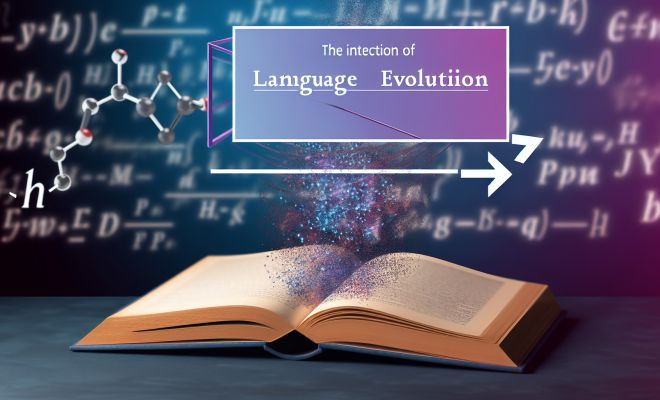
The study of language evolution has long fascinated linguists, anthropologists, and psychologists alike. For centuries, scholars have attempted to understand how languages shift, develop, and sometimes vanish altogether. A recent groundbreaking study from the University of Portsmouth has taken a novel approach to this complex issue, merging the fields of physics and linguistics in a way that promises to reshape our understanding of how human communication evolves.
A Revolutionary Model
Published in the journal Physical Review E, the research introduces a statistical physics model that predicts how language changes over time. By applying principles from particle physics, the researchers aim to provide a quantitative framework for what has traditionally been a qualitative field. This innovative approach allows for the analysis of language in much the same way scientists study physical systems, revealing patterns and trends that were previously difficult to discern.
Bridging Physics and Linguistics
The collaboration between physicists and linguists may seem unlikely, but the findings suggest that the two disciplines have more in common than previously thought. Just as particles can influence one another and shift states, so too can words, accents, and dialects impact one another over time. The study explores how these linguistic elements spread, shift, and sometimes disappear across different regions and generations, making it a vital contribution to our understanding of social dynamics.
Key Findings of the Study
One of the most striking aspects of the research is the idea that language change can be predicted with mathematical precision. The researchers developed a model that incorporates various factors influencing language, such as:
- Geographical Movement: The spread of populations across regions and how this affects language.
- Social Interactions: The role of community and social networks in shaping dialects and accents.
- Media Influence: The impact of technology and media on language trends.
- Cultural Factors: How culture affects language preferences and usage.
By examining these variables, the study provides a framework that can predict the emergence of new linguistic trends, offering insights into how language adapts to societal changes.
Implications for Cultural Transmission
The implications of this research extend far beyond the academic realm. Understanding language evolution through the lens of physics may offer solutions to pressing issues such as language extinction. As communities around the world face the loss of their native tongues, the predictive model can help identify which languages are at risk and why. This knowledge could enable linguists and policymakers to take proactive steps to preserve endangered languages.
Understanding Social Dynamics
Another significant outcome of the study is its potential to revolutionize our understanding of social dynamics and information spread within human populations. The model’s application of particle physics principles highlights how the movement and interaction of individuals can lead to the emergence of new linguistic phenomena. For instance, just as particles collide and create new elements, social interactions can lead to the formation of new dialects or the adoption of particular phrases.
Viral Interest and Public Engagement
The research has sparked considerable interest on social media platforms, with many users expressing amazement at the idea of using physics to explain language evolution. This viral engagement illustrates a broader trend in science communication, where interdisciplinary research captures the public’s imagination. By making complex scientific concepts accessible to a wider audience, researchers can foster greater interest in both fields.
Future Directions in Linguistic Research
The findings of this study open the door for future research opportunities across various domains. Linguists may begin to collaborate more closely with physicists to further unravel the complexities of language and communication. Potential areas for further investigation include:
- Longitudinal Studies: Tracking language change over extended periods to validate the model’s predictive capabilities.
- Cross-Cultural Analysis: Exploring how different languages evolve in response to varying cultural dynamics.
- Application of AI: Utilizing machine learning algorithms to better analyze and predict language trends.
- Impact of Globalization: Studying how global interactions shape local languages and dialects.
With these avenues of exploration, the field of linguistics stands to gain immensely from the application of methodologies traditionally reserved for the physical sciences.
Conclusion: A New Era for Language Evolution
The study conducted at the University of Portsmouth is a testament to the power of interdisciplinary research. By leveraging principles from particle physics, the researchers have provided a unique lens through which to view language evolution. As we continue to explore the intricacies of human communication, this innovative model has the potential to yield profound insights not only into the nature of language but also into the very fabric of social interaction.
As the conversation around language continues to evolve, it is crucial that we remain open to new ideas and methodologies. The intersection of physics and linguistics may very well be the key to unlocking the mysteries of language change, ensuring that our understanding keeps pace with the dynamism of human society.