AI Replacing Human Labor: Reshaping Work & Economy
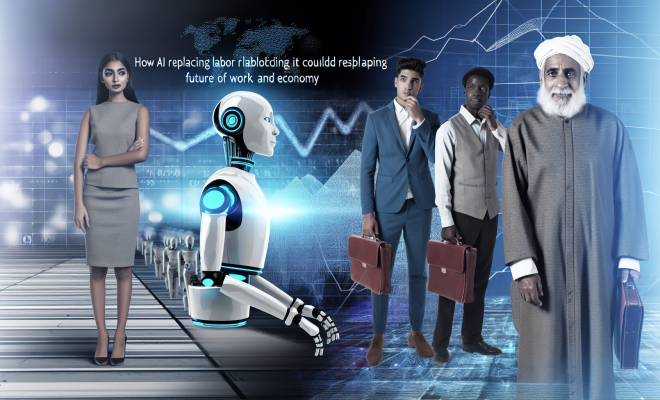
The conversation surrounding the impact of artificial intelligence (AI) on the workforce has reached a new level of urgency thanks to recent statements from Aneel Bhusri, the CEO of Workday. In a bold declaration, Bhusri posits that it is human labor, rather than software, that will be primarily replaced by AI. This assertion marks a significant pivot in the narrative around AI and its role in business, especially amidst a backdrop of rising investments in intelligent business applications.
The Landscape of AI Investment
As the world navigates through the complexities of a digital economy, the investment in AI technologies has reached staggering heights. Predictions indicate that global investments in AI could exceed $200 billion by 2026. Major players in the industry, including 70% of Fortune 500 companies, are currently piloting AI technologies, indicating a rapid adoption rate that is difficult to ignore.
This surge in AI investment is not just a passing trend; it reflects a fundamental shift in how businesses view labor and productivity. Bhusri’s remarks underscore this transformation, suggesting that the future of work may be characterized by AI systems taking over tasks traditionally performed by humans.
The Role of AI in Business Applications
Bhusri emphasizes that AI-driven applications are poised to become the next major growth area for companies like Workday. These applications are designed to enhance efficiency, productivity, and decision-making processes within organizations. However, the real question lies in what this means for the labor force.
AI Replacing Labor: The Implications
When discussing AI replacing labor, it is essential to consider the various implications this shift holds for workers across industries. The notion that AI will primarily take over human jobs has sparked intense debates among workers, executives, and policymakers alike. Fears of mass unemployment loom large, as many contemplate how their roles will evolve or, in some cases, disappear.
- Job Displacement: The immediate concern for many is the displacement of jobs. As AI systems become more advanced, they will likely take on routine tasks that were once the responsibility of human workers. This could lead to significant job losses in sectors that rely heavily on manual labor or simple cognitive functions.
- Job Transformation: While some jobs may be entirely replaced, many experts argue that AI will also transform existing roles. Instead of removing jobs, AI could enhance them, allowing workers to focus on more complex tasks that require human intuition and creativity.
- New Job Creation: The rise of AI could lead to the creation of new job categories that we cannot yet imagine. As AI systems become integrated into business processes, there will be a demand for roles focused on managing, overseeing, and improving these technologies.
Governance Challenges and Enterprise Readiness
Despite the promising outlook for AI-driven applications, Bhusri points out significant challenges that companies must navigate. Governance of AI technologies is crucial, as businesses must ensure that these systems operate ethically and transparently. This encompasses everything from data privacy to algorithmic bias, which can have far-reaching consequences.
Moreover, the readiness of enterprises to adopt these technologies varies widely. Not all organizations are equipped to manage the integration of AI into their existing frameworks, leading to potential disparities in how effectively different companies can leverage AI’s benefits.
The Social Media Reaction
Since Bhusri’s comments went viral, with over 500,000 shares on platforms such as X and LinkedIn within just 24 hours, the conversation surrounding AI replacing labor has intensified. The public’s reaction has been fueled by a mix of curiosity and fear, leading to a flurry of discussions about the future of employment and the economy.
Many individuals are grappling with the implications of AI technologies on their careers, while executives are concerned about how to implement AI responsibly. Policymakers, on the other hand, face the daunting task of creating regulations that safeguard workers while fostering innovation.
AI Replacing Labor: A Double-Edged Sword
While AI replacing labor presents numerous advantages, such as increased efficiency and reduced operational costs, it also presents grave challenges that must be addressed. Striking a balance between embracing innovation and protecting the workforce is essential as we move forward into this new era.
- Upskilling and Reskilling: As roles evolve, there will be a significant need for upskilling and reskilling initiatives. Companies will need to invest in training programs to help employees transition into new roles that AI cannot easily replicate.
- Economic Inequality: There are concerns that the benefits of AI will disproportionately favor those with the skills to thrive in a tech-driven economy. If not properly managed, this could exacerbate economic inequality, leading to a divided workforce.
- Worker Well-Being: The psychological impact of job displacement and transformation cannot be overlooked. Employers must consider the well-being of their employees as they navigate this transition, ensuring support systems are in place.
The Future of Work in an AI-Driven World
As we stand on the brink of an AI revolution, it is crucial to engage in open dialogues about the future of work. The predictions surrounding AI replacing labor are not merely speculative; they are becoming a reality that demands our attention and action.
It is evident that AI will play a transformative role in how businesses operate, but the outcomes are contingent upon the choices we make today. By prioritizing ethical AI governance, investing in workforce development, and fostering inclusive technology adoption, we can steer this evolution towards a beneficial outcome for all.
Conclusion: Embracing Change Responsibly
AI replacing labor may be one of the most significant shifts our workforce has ever seen. As we navigate this complex landscape, it is vital to foster collaboration among businesses, workers, and policymakers to create a future where AI enhances human capabilities rather than replaces them.
As we look ahead, the path we choose will shape not only the future of work but the very fabric of our economy and society. It is our collective responsibility to ensure that the rise of AI results in a more equitable and prosperous future for all.