AI’s Impact on Healthcare Consumerization & Decisions
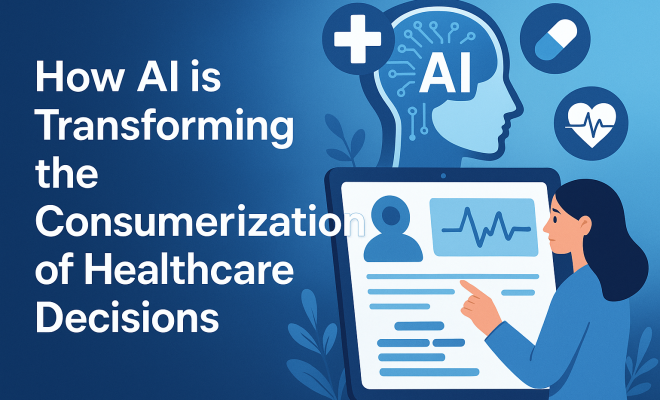
The consumerization of healthcare is no longer a distant concept; it is a rapidly evolving reality that is reshaping how patients interact with healthcare systems. As technology advances, particularly in artificial intelligence (AI), consumers are turning to AI-driven platforms for healthcare discovery and decision-making. This shift represents a significant departure from traditional methods, like Google searches, and promises to alter the landscape of healthcare.
The Shift from Traditional Searches to AI-Mediated Experiences
According to a recent prediction by Gartner, the world may witness a 25% drop in Google search volume by 2026. This trend is particularly pronounced in the healthcare sector, where consumers increasingly rely on AI algorithms to interpret symptoms, compare treatment options, and navigate the complex healthcare landscape. As patients start to prioritize rapid, personalized, and conversational access to information, the consumerization of healthcare becomes more evident.
Understanding the Consumerization of Healthcare
Historically, healthcare decisions were often guided by healthcare providers who held the majority of the information. However, as the age of information democratization dawns, patients are seeking more control over their healthcare journeys. The consumerization of healthcare refers to the growing expectation among patients for healthcare services to be delivered in a manner akin to shopping experiences. Just as consumers expect personalized service in retail, patients now desire the same level of personalization and speed in their healthcare interactions.
This shift is exemplified by the increasing prevalence of virtual health assistants and AI chatbots that can provide immediate responses to user queries. Patients are no longer waiting for appointments to gather information; they are actively engaging with technology that offers insights and recommendations at their fingertips.
The Role of AI in Healthcare Decision-Making
AI applications in healthcare are not just a futuristic concept but a current reality that is reshaping the way patients make decisions. These tools analyze vast amounts of data to deliver insights tailored to individual health needs. For instance, AI can help users determine the severity of their symptoms, suggest potential diagnoses, and recommend appropriate treatments based on their unique health profiles.
Such capabilities not only empower patients but also challenge traditional healthcare paradigms. As patients take more control over their healthcare decisions, the industry is forced to adapt. Healthcare providers must now cater to a more informed and proactive patient base, which can lead to improved outcomes and increased patient satisfaction.
The Impact of Consumer Expectations on Healthcare
As the consumerization of healthcare continues to gain momentum, patient expectations are rising. Today’s patients expect more than just top-notch medical care; they also want swift, efficient, and accessible information. They desire conversational interfaces that understand their needs and respond in a way that feels personal.
This shift is visible in various aspects of healthcare: from telemedicine platforms that offer virtual consultations to mobile apps that track health metrics and remind patients to take medications. Each of these innovations reflects the growing trend toward a consumer-centric approach in healthcare.
Challenges and Considerations
While the consumerization of healthcare brings numerous advantages, it is not without its challenges. One major concern is the reliability of the information provided by AI-driven platforms. Patients must be cautious about relying on algorithms that may produce inaccurate or misleading information. Ensuring that these tools are backed by sound medical knowledge is crucial for maintaining patient safety.
Furthermore, as consumers take charge of their healthcare journeys, there is a risk of disparities in access. Not all patients have equal access to technology or the internet, which could worsen existing inequalities in healthcare. Addressing these challenges is essential for creating a truly inclusive system that benefits all patients.
The Future of Healthcare Decision-Making
The trajectory of the consumerization of healthcare suggests that AI will play an increasingly central role in how patients seek and receive care. As healthcare systems adopt more consumer-centric models, we will likely see enhanced patient engagement and empowerment.
In conclusion, the integration of AI into healthcare decision-making is a transformative force that reflects broader societal trends. As patients embrace technology that offers personalized, immediate insights, the healthcare industry must adapt to meet these changing expectations. The future of healthcare is not only about treating illness but also about empowering individuals to take control of their health journeys.