AI Revolutionizes Last-Mile Delivery for Indian D2C Startups
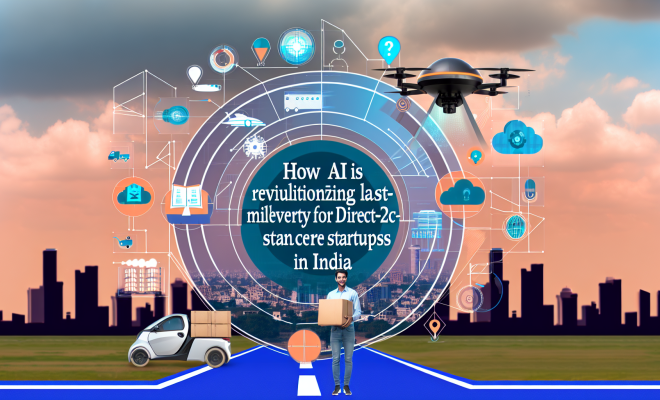
In the ever-evolving landscape of e-commerce, direct-to-consumer (D2C) startups in India are harnessing the power of artificial intelligence (AI) to tackle one of the most significant challenges they face: last-mile delivery. A recent analysis from Velocity Shipping indicates that these innovative companies have successfully increased their delivery completion rates by an impressive 11% in Tier-II and smaller cities. This increase not only enhances customer satisfaction but also significantly reduces costly return-to-origin losses.
The Rise of D2C Startups
As the Indian market continues to mature, D2C startups are gaining traction, especially in regions outside the traditional Tier-I cities. According to a report by Bain & Co., three out of five new online shoppers since 2020 and nearly 60% of new sellers since 2021 hail from Tier-II and smaller markets. This demographic shift highlights the potential for D2C brands to expand their reach and cater to a broader audience.
Understanding the Challenges of Last-Mile Delivery
Last-mile delivery poses unique challenges, particularly in less urbanized areas where logistical infrastructure may not be as well-developed as in metropolitan regions. For D2C startups, the stakes are high: a failed delivery can lead to customer dissatisfaction, missed revenue opportunities, and increased operational costs. The integration of AI tools is becoming a game-changer in addressing these issues.
Key AI Innovations Enhancing Delivery Success
To improve their delivery completion rates, D2C startups are implementing several AI-driven strategies:
- Automated Order and Address Verification: By leveraging AI to automatically verify customer orders and addresses, startups can minimize the risks associated with incorrect or incomplete information. This technology helps ensure that packages are sent to the right locations, reducing the likelihood of delivery failures.
- Voice Call Interventions: AI-powered voice calls can facilitate real-time communication between delivery personnel and customers. This approach allows for immediate resolution of issues, such as incorrect addresses or customer unavailability, leading to higher successful delivery rates.
- COD-to-Prepaid Conversion: Many D2C brands are moving away from cash-on-delivery (COD) models in favor of prepaid transactions. AI can help streamline the conversion process by analyzing customer behavior and preferences, thus enhancing payment security and reducing the complications associated with cash transactions.
Impact on Customer Experience
These AI-driven interventions not only improve operational efficiency but also significantly enhance the customer experience. A smoother delivery process leads to higher customer satisfaction, which is crucial for brand loyalty in today’s competitive market. As consumers become more accustomed to fast and reliable service, D2C startups that can deliver on these expectations will likely see increased customer retention rates and repeat purchases.
Future Prospects for D2C Startups
The growth trajectory for D2C startups in India appears promising. With the increasing adoption of AI technologies, these brands are well-positioned to overcome logistical hurdles and scale their operations effectively. As more consumers in Tier-II and smaller cities engage in online shopping, the demand for efficient and reliable delivery services will only intensify.
Moreover, the continued evolution of AI tools is expected to unlock even more opportunities for D2C brands. For instance, machine learning algorithms can analyze vast amounts of data to predict delivery patterns, optimize routes, and anticipate customer preferences. This proactive approach could drastically reduce delivery times and enhance overall service quality.
Conclusion
As D2C startups in India increasingly adopt AI technologies, the landscape of last-mile delivery is transforming. The 11% improvement in delivery completion rates is a testament to the effectiveness of these innovative strategies. By focusing on customer satisfaction and operational efficiency, D2C brands can not only thrive in the competitive e-commerce market but also redefine the standards of online shopping experiences.
With a growing customer base in Tier-II and smaller cities, the future looks bright for D2C startups that embrace these technological advancements. The integration of AI in logistics is not just a trend; it is becoming a necessity in ensuring that these brands can meet the expectations of an increasingly demanding consumer market.