AI in Clinical Care: Transforming Healthcare & Raising Key Questions
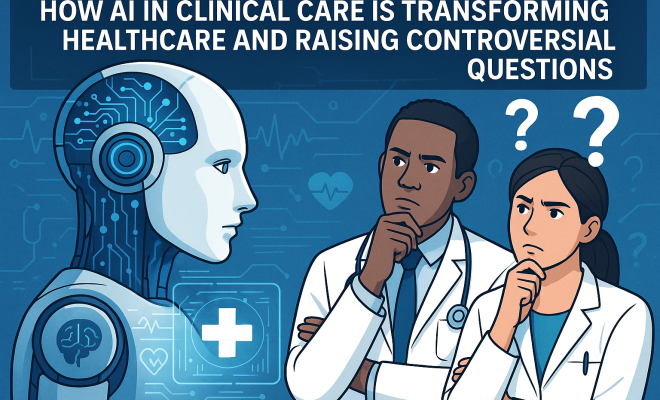
The integration of AI in clinical care is rapidly changing the landscape of healthcare, creating both excitement and concern among professionals and patients alike. The recent issue of JAMA highlights the dual nature of this technology, emphasizing its potential benefits while also raising critical questions about safety, accountability, and ethical considerations. As AI tools become increasingly prevalent in medical settings, understanding their implications is essential for healthcare providers, regulators, and patients.
The Rapid Emergence of AI in Healthcare
Artificial Intelligence has made significant inroads into various sectors, and healthcare is no exception. The idea of machines assisting in diagnostics, treatment planning, and patient monitoring is becoming a reality. AI algorithms can analyze vast amounts of data at remarkable speeds, which can lead to more accurate diagnoses and personalized treatment plans.
This swift integration of AI is not just a theoretical concept; it is being implemented in hospitals and clinics across the country, often with little time for extensive evaluation. As noted in the JAMA viewpoint, this rapid adoption presents a unique challenge as healthcare providers, hospitals, and regulatory bodies adapt in real-time.
Key Players: The FDA and Regulatory Challenges
The U.S. Food and Drug Administration (FDA) plays a pivotal role in overseeing the introduction of these technologies. While the FDA has established frameworks for evaluating new medical devices, the dynamic and evolving nature of AI poses significant regulatory challenges. AI tools can learn and improve over time, which complicates the traditional methods of assessment.
As AI systems become more autonomous, the question arises: who is responsible if a machine makes a mistake? This dilemma brings to light the issues of accountability and legal liability, which are still largely unresolved. For instance, if an AI system misdiagnoses a patient, determining whether the responsibility lies with the healthcare provider, the developer of the AI, or the hospital is a complex issue that needs thorough examination.
Patient Safety and Ethical Concerns
Patient safety is paramount in healthcare, and the introduction of AI brings with it a host of ethical concerns. One of the most pressing issues is the potential for bias in AI algorithms. If AIs are trained on data that is not representative of the entire population, there is a risk that they could perpetuate existing disparities in healthcare. For example, if an AI tool is primarily trained on data from one demographic group, it may not perform effectively for patients from other backgrounds, leading to misdiagnosis or inadequate treatment.
Moreover, the fear of automation replacing human judgment is palpable among healthcare professionals. Many doctors worry that reliance on AI could undermine their expertise, leading to a devaluation of the clinician-patient relationship. This concern is not unfounded; the unique insights and empathic approach that human providers bring to healthcare cannot be replicated by machines.
Balancing Innovation and Caution
The challenge now lies in balancing the promise of AI in clinical care with the imperative to ensure patient safety and uphold ethical standards. Stakeholders across the healthcare spectrum are wrestling with how to incorporate these technologies responsibly. Hospitals are beginning to establish guidelines for the use of AI tools, ensuring that human oversight remains integral to the decision-making process.
Additionally, there is a growing call for comprehensive training programs for healthcare providers on how to use AI technologies effectively and safely. By familiarizing clinicians with these tools, healthcare institutions can help mitigate risks while embracing the benefits of innovation.
Public Perception and Patient Concerns
As the conversation around AI in clinical care continues to evolve, public perception will play a crucial role in shaping its future. Patients are increasingly aware of the integration of AI into healthcare and are expressing concerns about its implications. Many worry about the potential for misdiagnosis and the overall impact on their care experience.
Healthcare organizations must prioritize transparent communication with patients regarding the use of AI in their treatment. By providing clear information about how AI tools operate and the safeguards in place, providers can foster trust and alleviate some of the apprehensions surrounding this technology.
The Path Forward
The journey of integrating AI into clinical care is still in its early stages, and it is clear that ongoing dialogue among stakeholders is essential. Regulatory bodies, healthcare providers, and technology developers must collaborate to address the various challenges posed by this technology. By doing so, they can maximize the benefits of AI while minimizing risks.
In conclusion, while AI in clinical care holds immense promise for improving healthcare outcomes, it also raises significant questions that demand thorough exploration. As we advance further into this new era of medicine, the focus must remain on patient safety, ethical considerations, and the preservation of the human touch in healthcare. With careful planning and proactive measures, the integration of AI can lead to a future where technology enhances, rather than replaces, the vital role of healthcare providers.