Here’s Why Amazon Wants To Kill the Barcode
Barcodes have been a staple in retail for decades, revolutionizing inventory management and streamlining the checkout process. However, with technological advancements and changing consumer expectations, Amazon is leading the charge to replace barcodes with more efficient alternatives. In this article, we explore why Amazon wants to kill the barcode and what it means for the future of retail.
The Limitations of Barcodes
While barcodes have served their purpose well over the years, they do come with some limitations:
1. Limited Information:
Traditional barcodes can only store a limited amount of information. They primarily provide product identification numbers that need to be cross-referenced with databases for additional details.
2. Scanning Challenges:
Scanning barcodes requires line-of-sight access and close proximity to a barcode reader or scanner. This can slow down processes in busy retail environments or when dealing with large inventories.
3. Human Error:
Barcode scanning relies on human operators correctly aligning products with scanners—leaving room for errors like misalignment or misreads.
4. Counterfeit Concerns:
Barcodes can be replicated relatively easily, making them susceptible to counterfeiting—an issue that impacts both retailers and consumers.
Enter Alternatives: RFID & Computer Vision
To address these limitations, Amazon is exploring alternative technologies:
1. Radio Frequency Identification (RFID)
RFID tags use radio waves to transmit information stored within them wirelessly—eliminating line-of-sight requirements associated with traditional barcodes:
• Increased Data Storage:
Unlike traditional barcodes, RFID tags can hold larger amounts of data such as product details, expiration dates, batch numbers, and even real-time tracking information.
• Enhanced Efficiency:
Retailers equipped with RFID readers can scan multiple items simultaneously without needing direct visibility or manual alignment.
• Improved Inventory Management:
With accurate real-time tracking capabilities enabled by RFID, businesses can better monitor stock levels, prevent out-of-stock situations, and streamline supply chain operations.
2. Computer Vision
Computer vision technology leverages cameras and advanced algorithms to identify objects without the need for physical barcodes or tags:
• Seamless Scanning:
Cameras can capture images of products as they move through checkout counters or warehouse shelves—automatically recognizing items based on their visual characteristics.
• Enhanced Customer Experience:
With computer vision, customers may experience frictionless shopping experiences where products are identified and added to digital carts automatically as they pass through designated areas.
• Anti-Theft Measures:
Computer vision systems can also be utilized for loss prevention by identifying potential theft incidents in real-time.
The Amazon Advantage
Amazon has been at the forefront of these emerging technologies due to several key advantages:
1. Infrastructure:
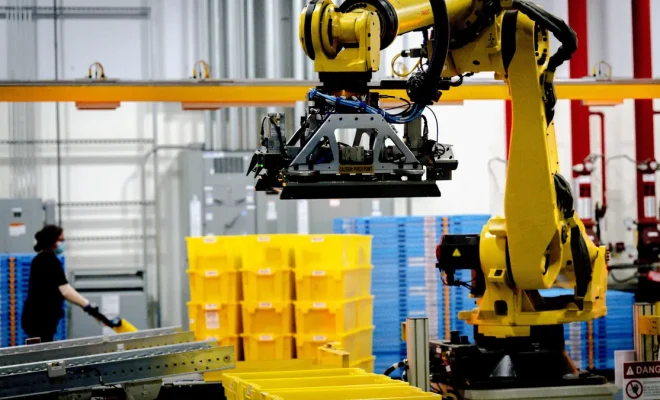
As one of the world’s largest online retailers with extensive warehousing capabilities, Amazon has invested heavily in building a robust infrastructure that supports innovation like RFID and computer vision integration.
2. Acquisitions & Partnerships:
Amazon has acquired companies specializing in RFID technology (such as Whole Foods) and partnered with industry leaders to develop cutting-edge solutions. These strategic moves position them well ahead of competitors when it comes to implementing new inventory management systems.
3. In-House Expertise:
Amazon’s vast technical expertise allows them to push boundaries and pioneer new approaches within the retail space. Their dedication to research and development ensures they stay ahead of market trends while continually improving customer experiences.
Implications for Retailers
While barcode replacement is still an ongoing process, it’s clear that changes are on the horizon for retailers:
1. Operational Efficiencies:
Adopting RFID or computer vision technologies enables faster inventory management processes, more accurate stock tracking, reduced human error rates during scanning procedures, improved customer service quality—and ultimately leads to enhanced operational efficiencies overall.
2. Enhanced Customer Experiences:
Smoother checkout processes, personalized recommendations based on real-time data, and frictionless shopping experiences are just a few aspects that can be improved with alternative technologies.
3. Investment Considerations:
As barcode alternatives gain traction, retailers must evaluate the costs associated with transitioning to new systems. While these technologies offer long-term benefits, initial investments for hardware upgrades and training may be required.
Conclusion
The days of traditional barcodes dominating retail operations may soon come to an end as Amazon spearheads the transition towards more advanced inventory management solutions. By leveraging RFID and computer vision technologies, businesses can unlock increased efficiency, accuracy in tracking inventory levels, and enhanced customer experiences.
As technology evolves rapidly within the retail sector, it’s important for retailers to stay informed about emerging trends—and assess how adopting these innovations could positively impact their own operations. Ultimately, embracing change is crucial for staying competitive in an evolving marketplace where consumer expectations continue to rise alongside technological advancements.